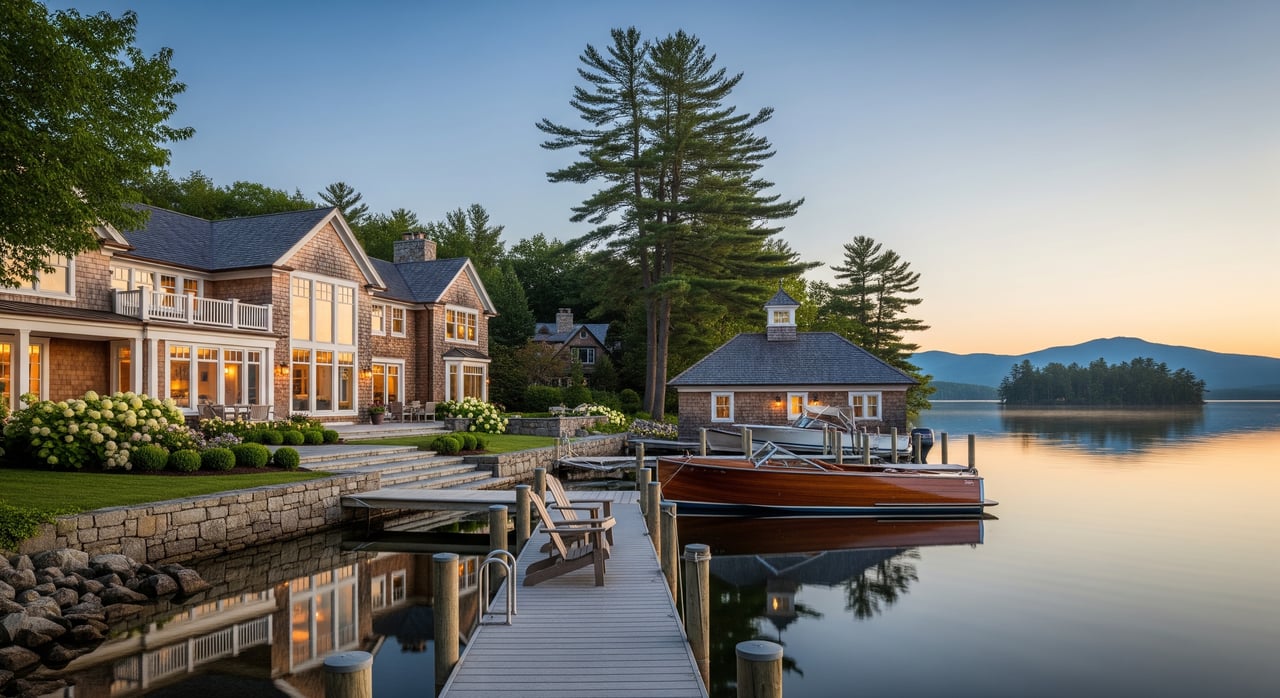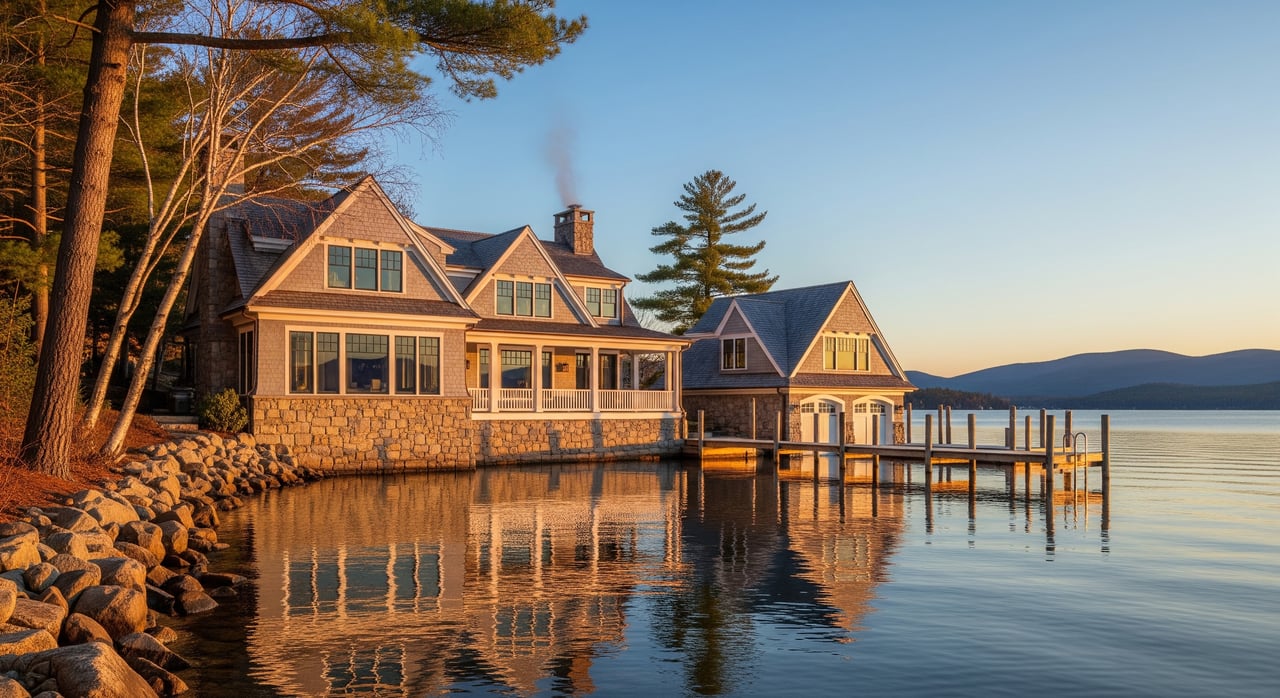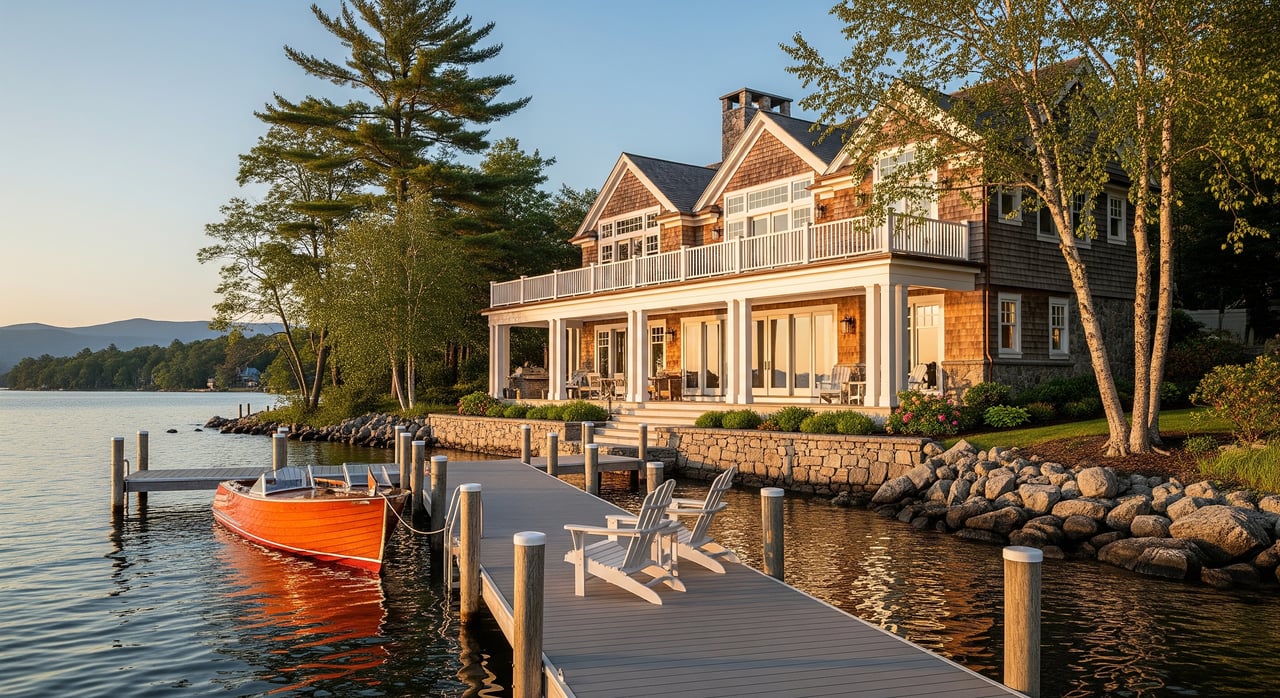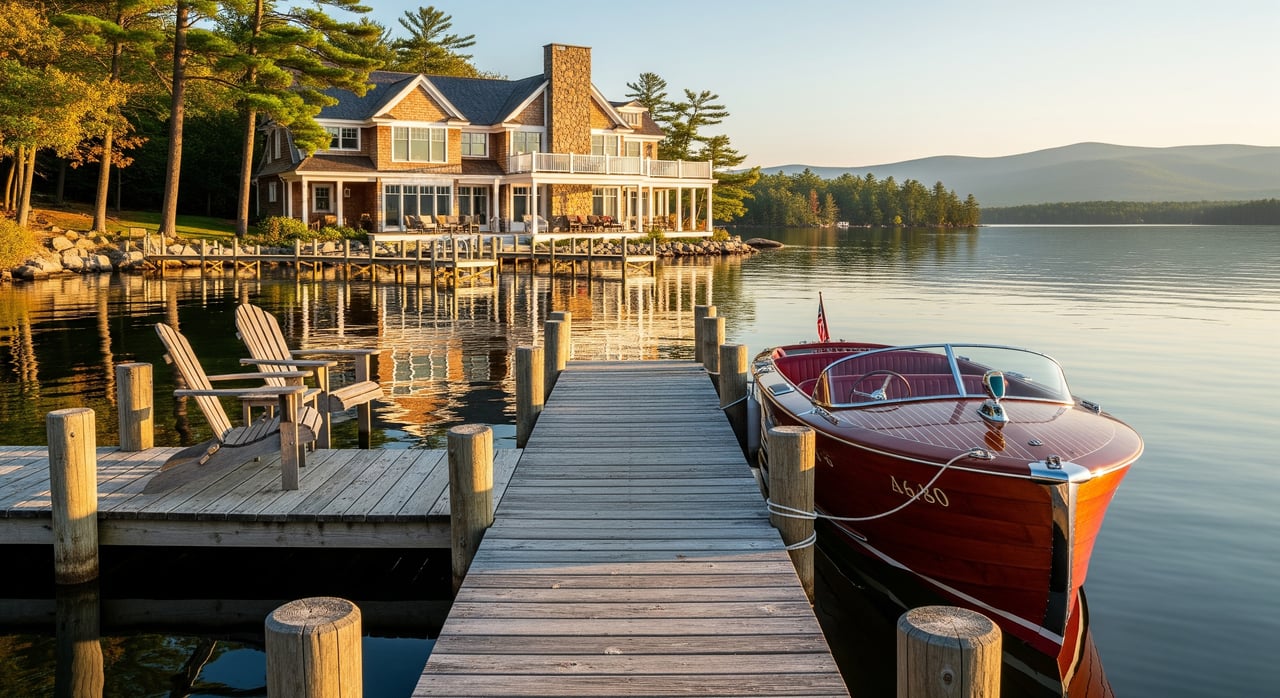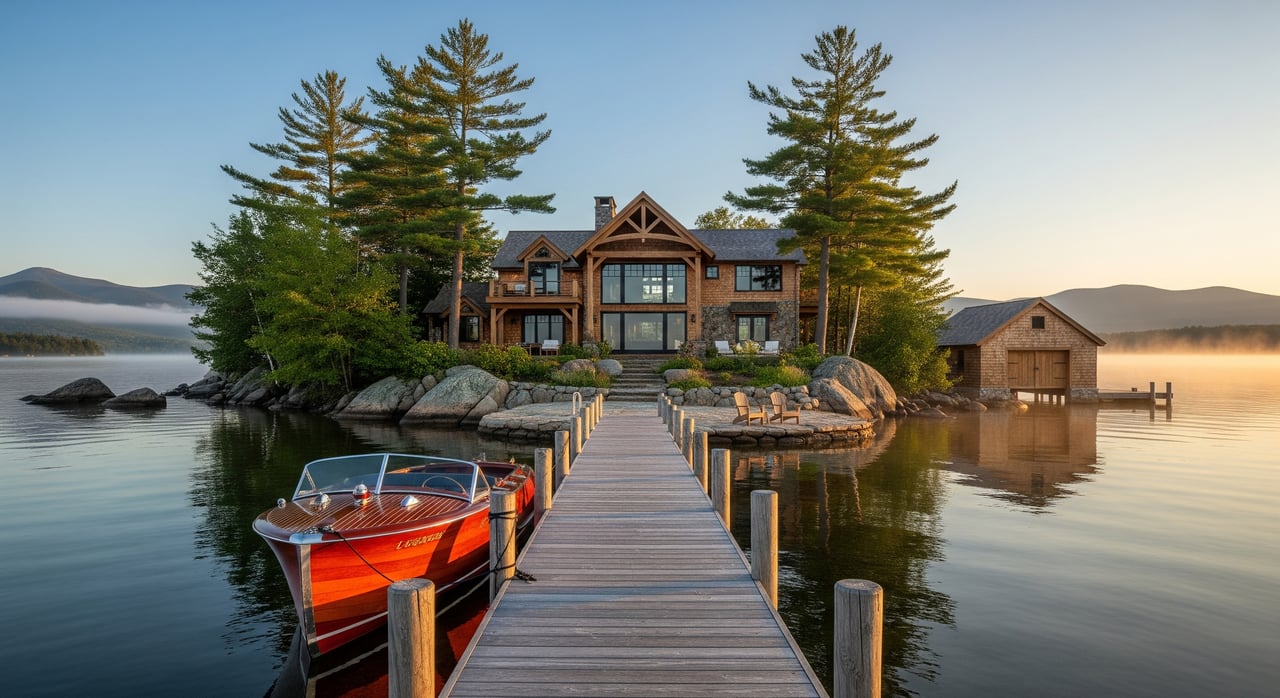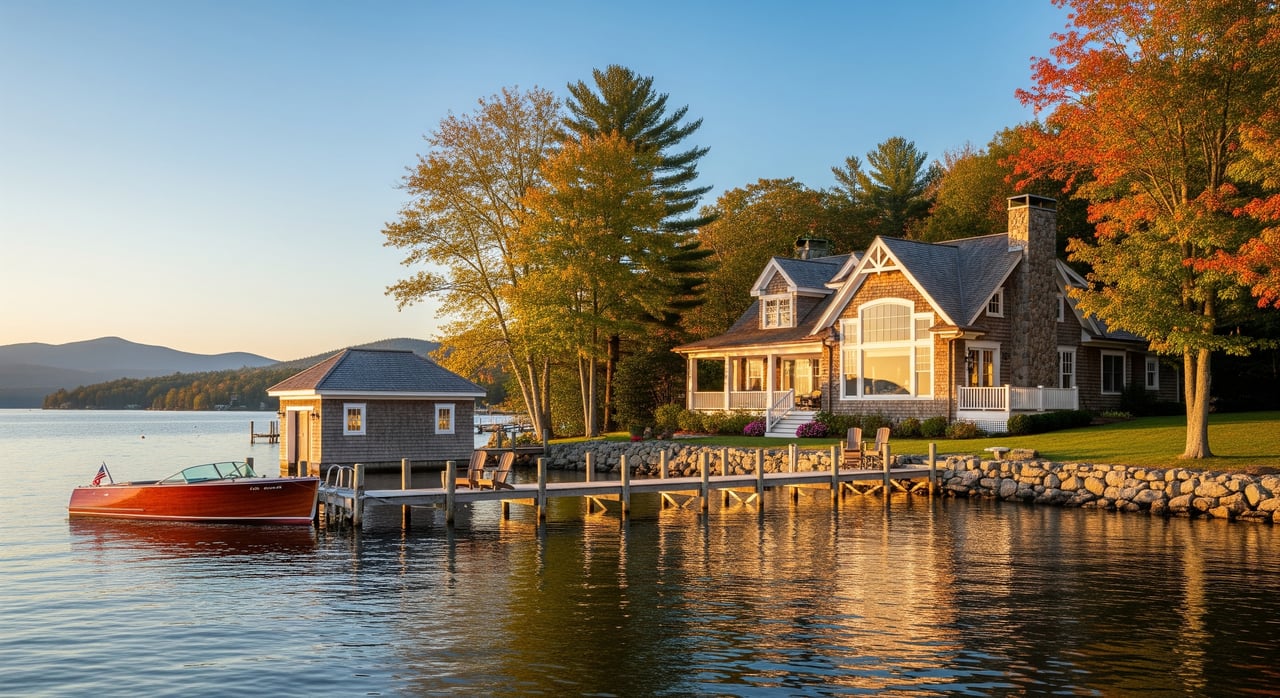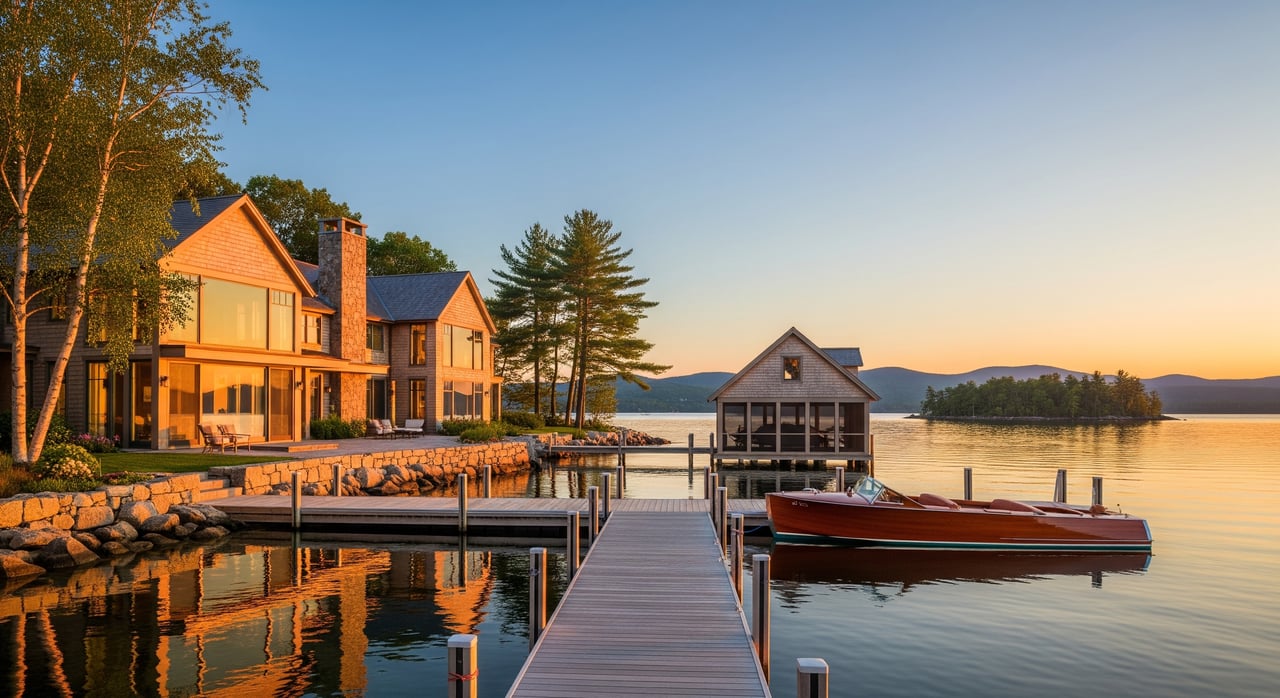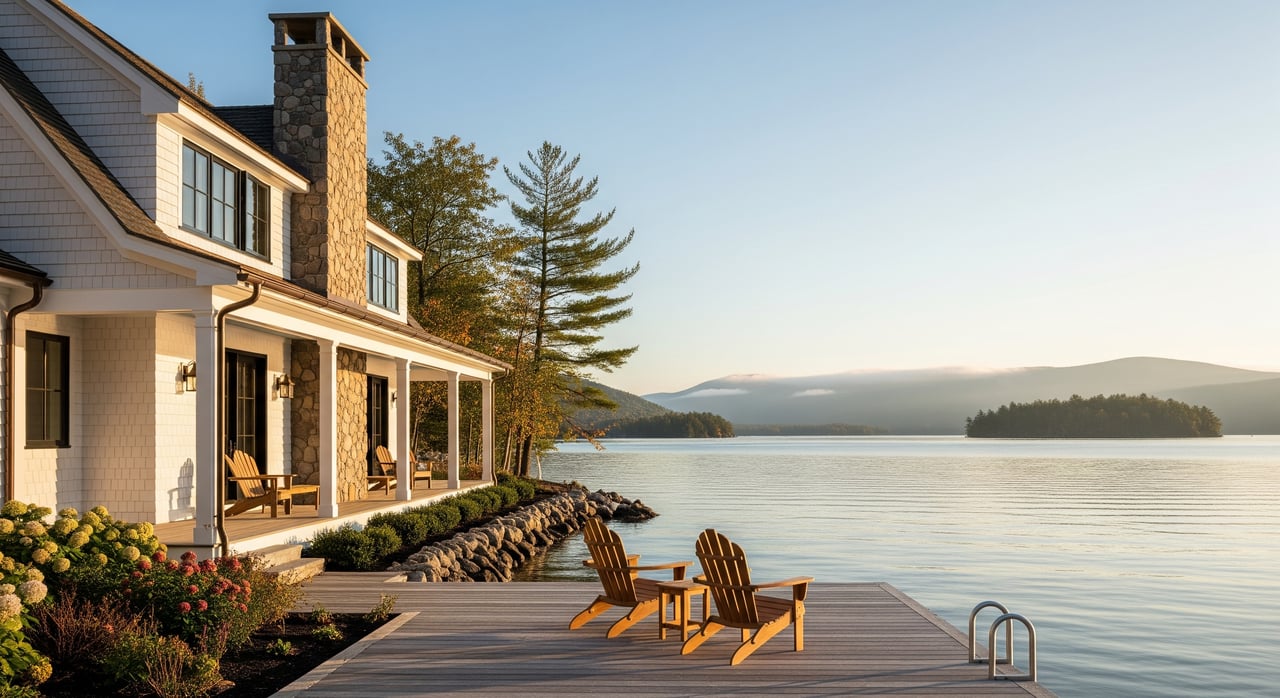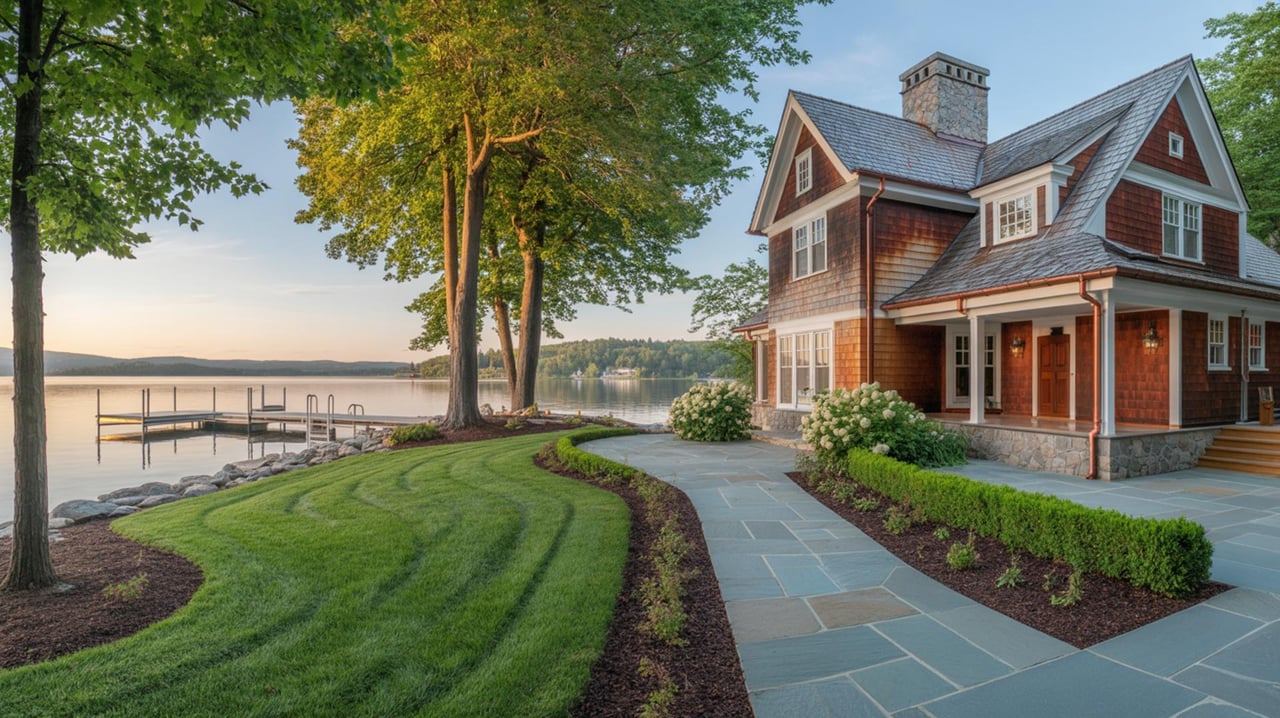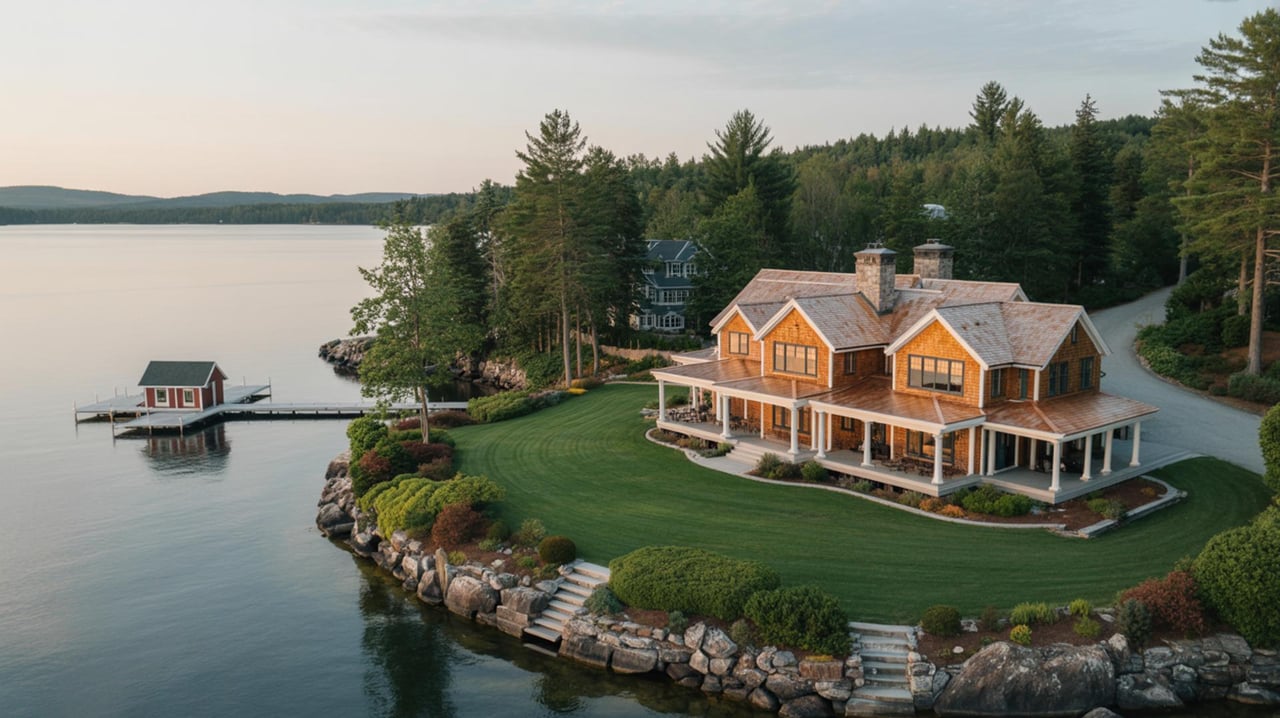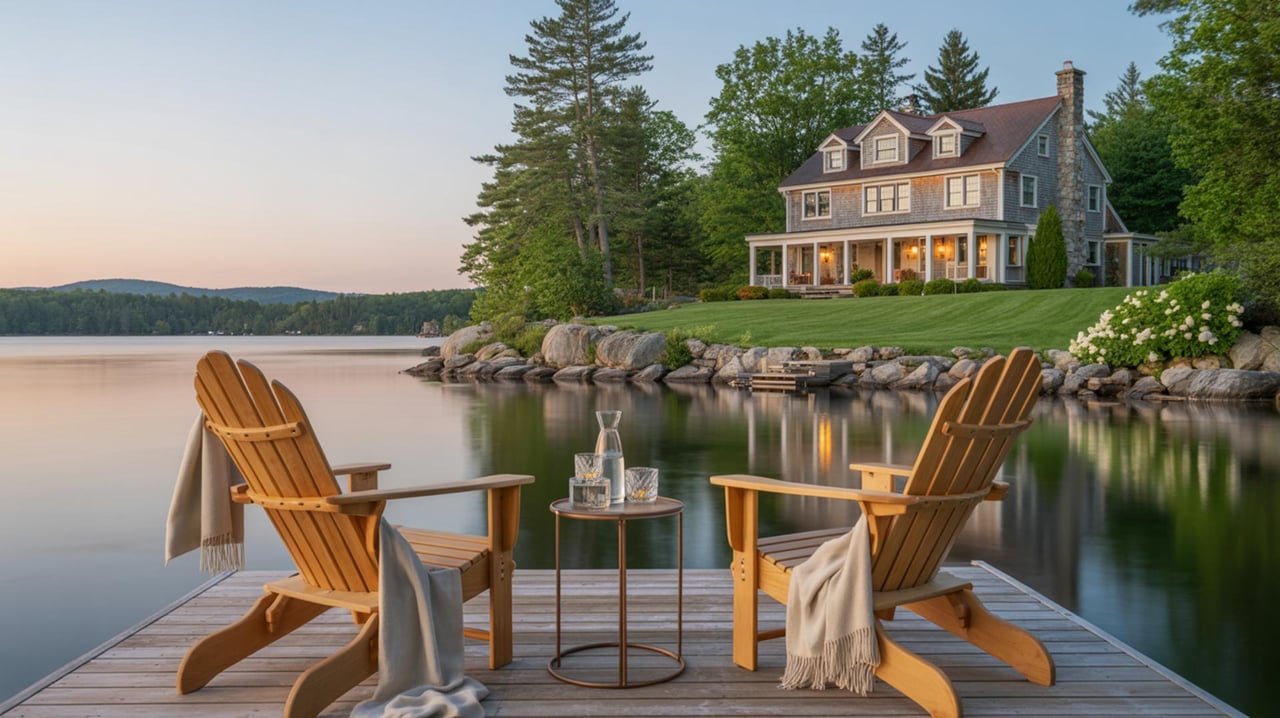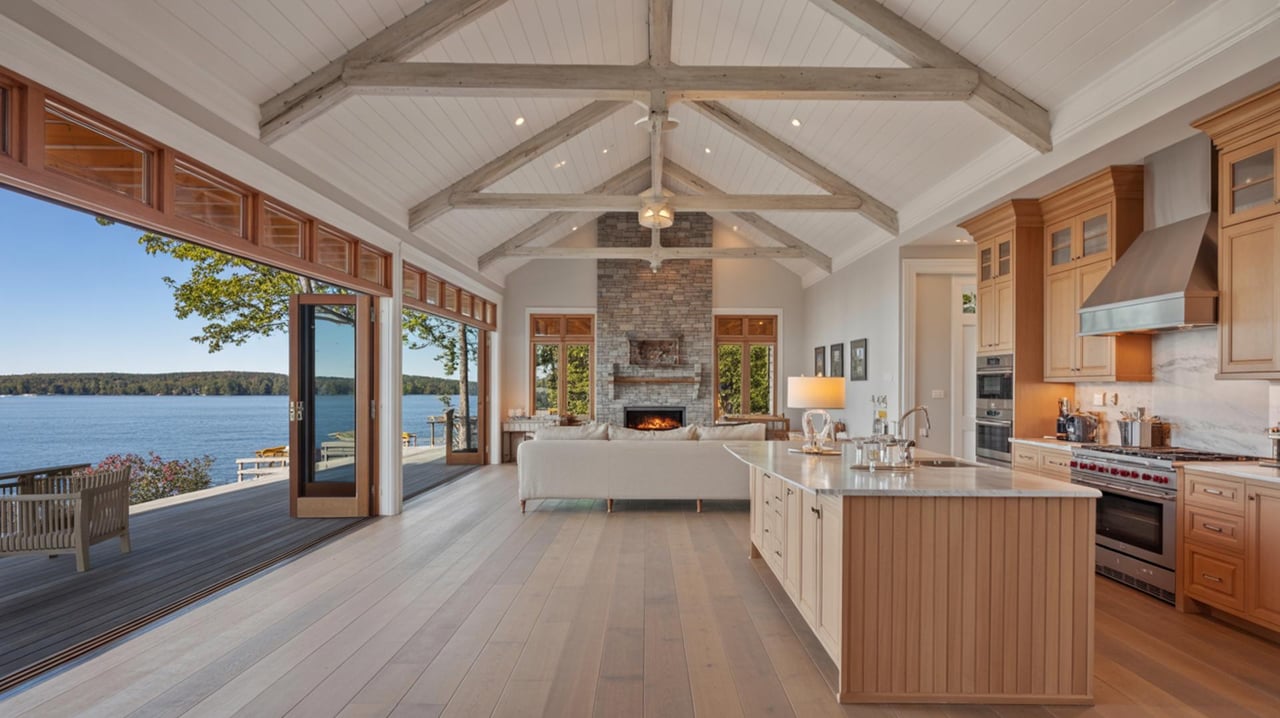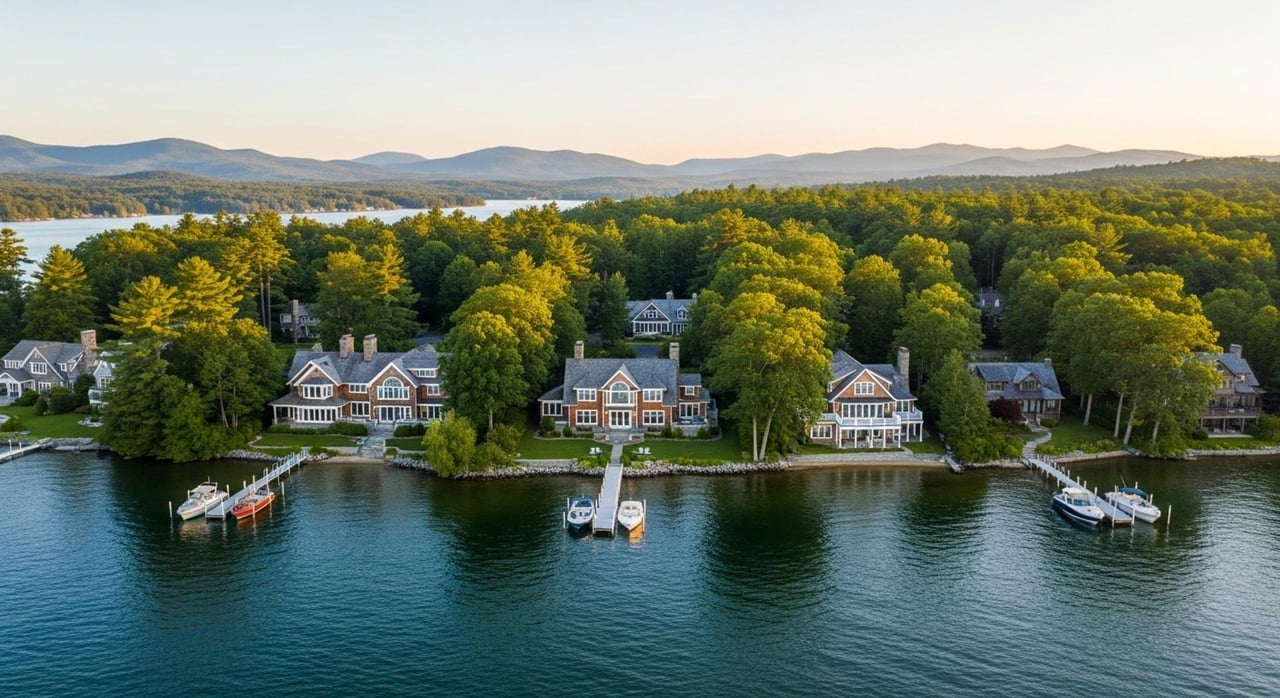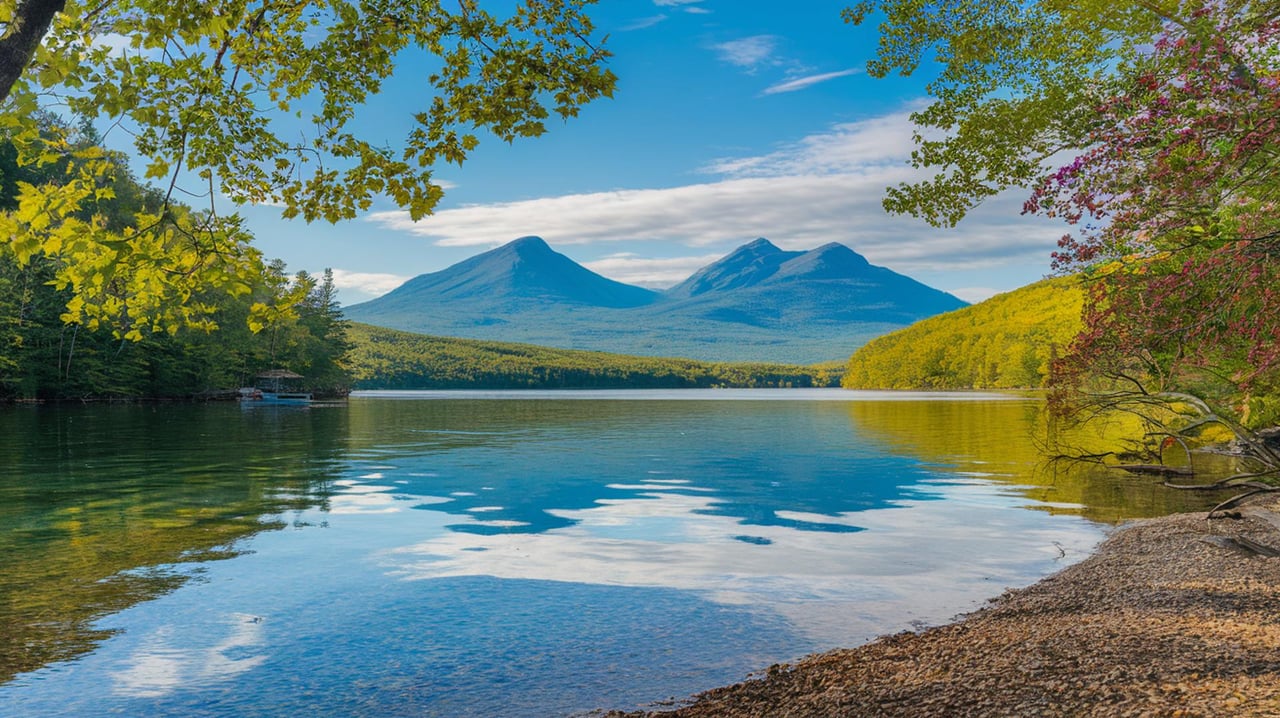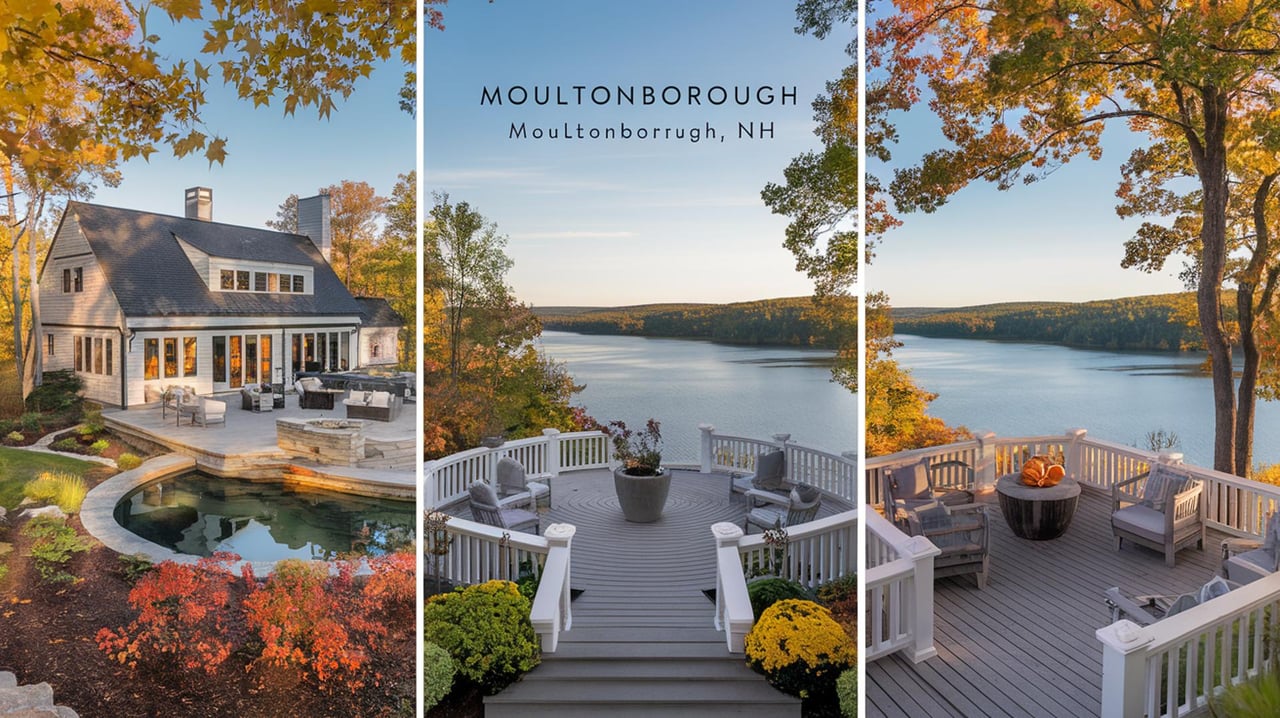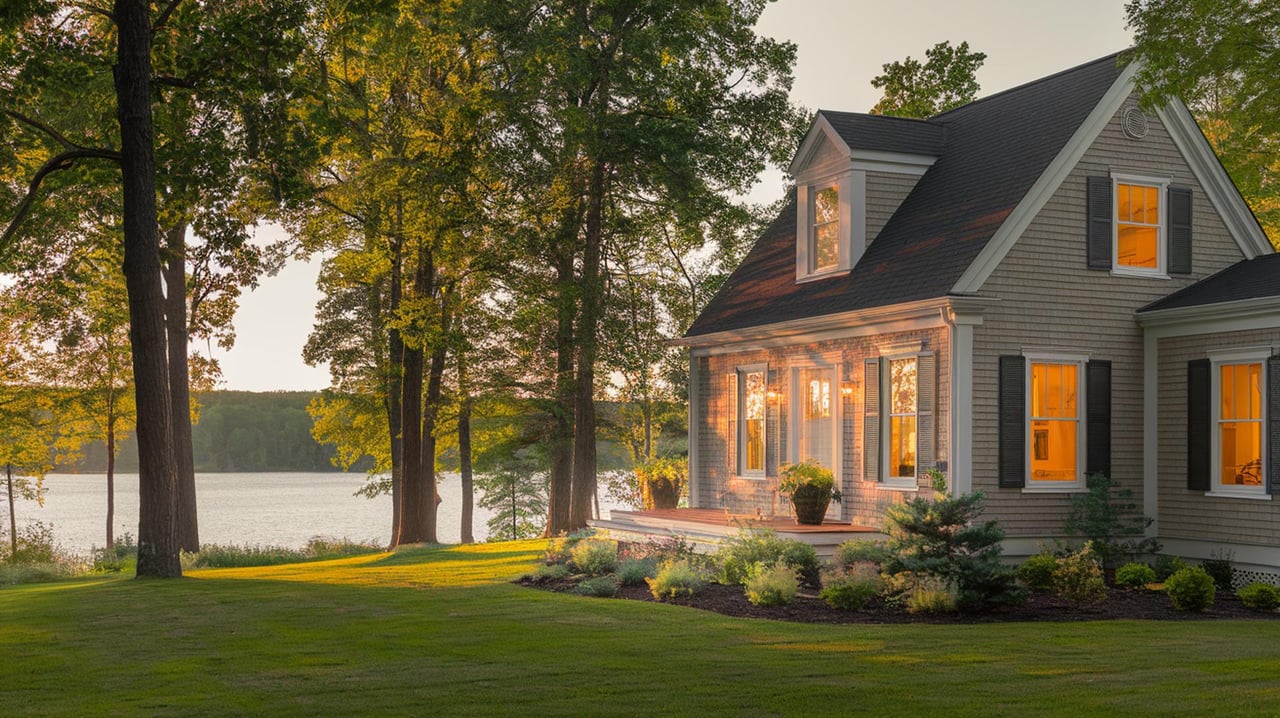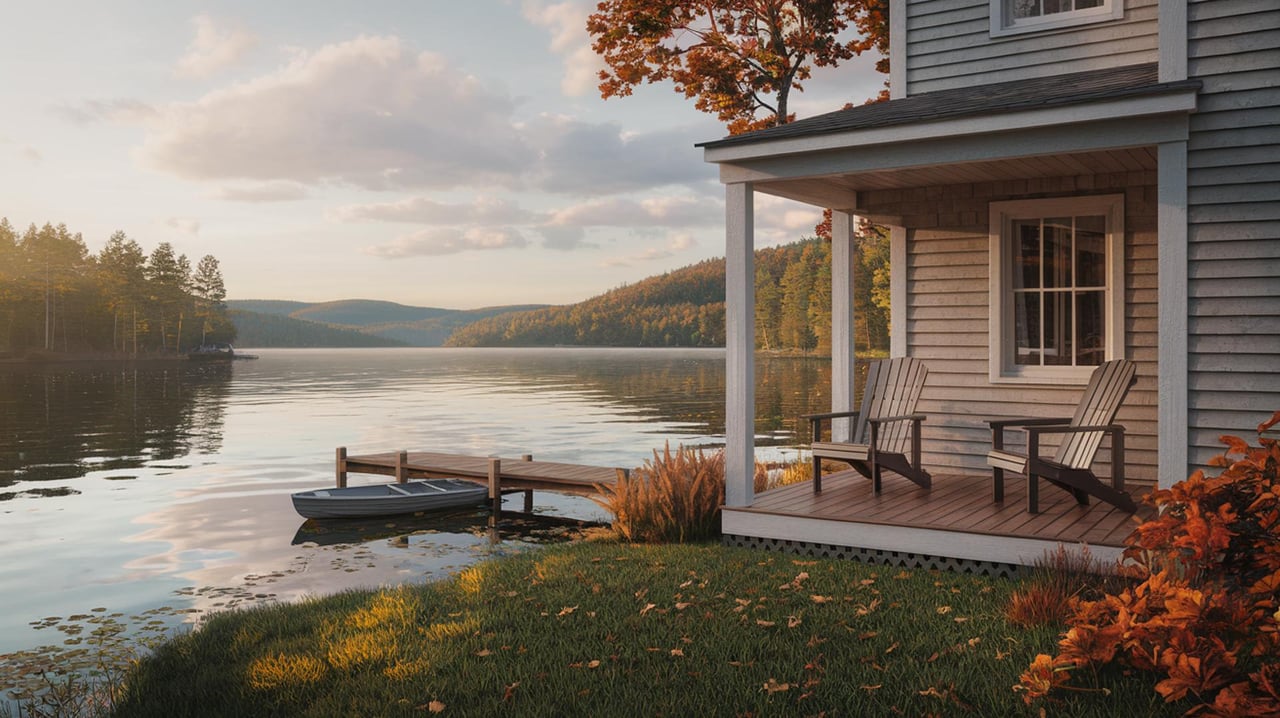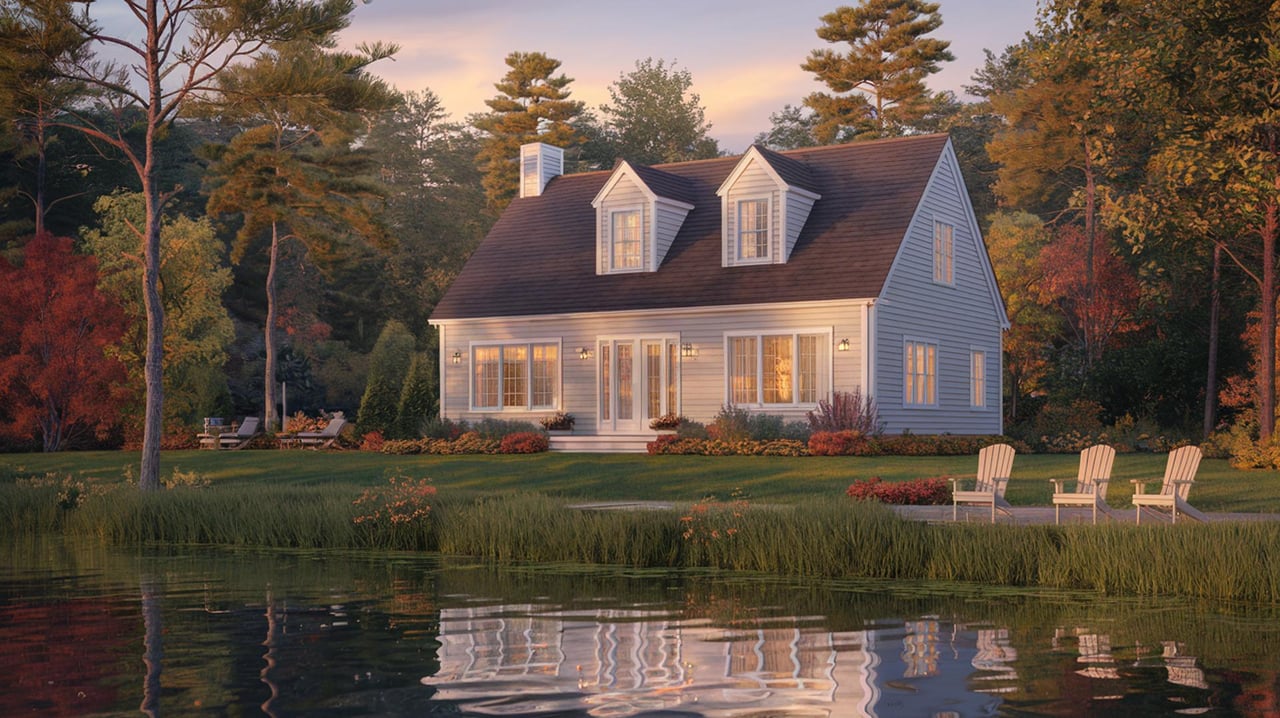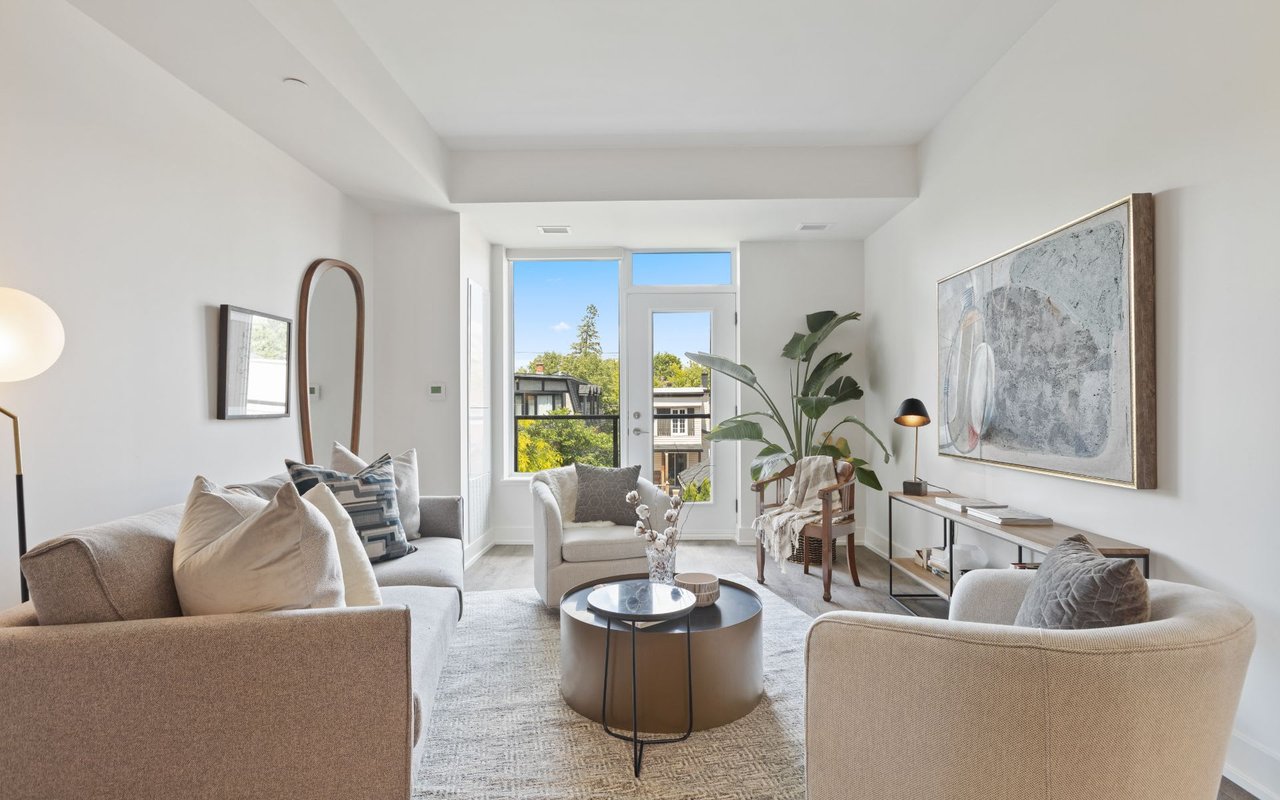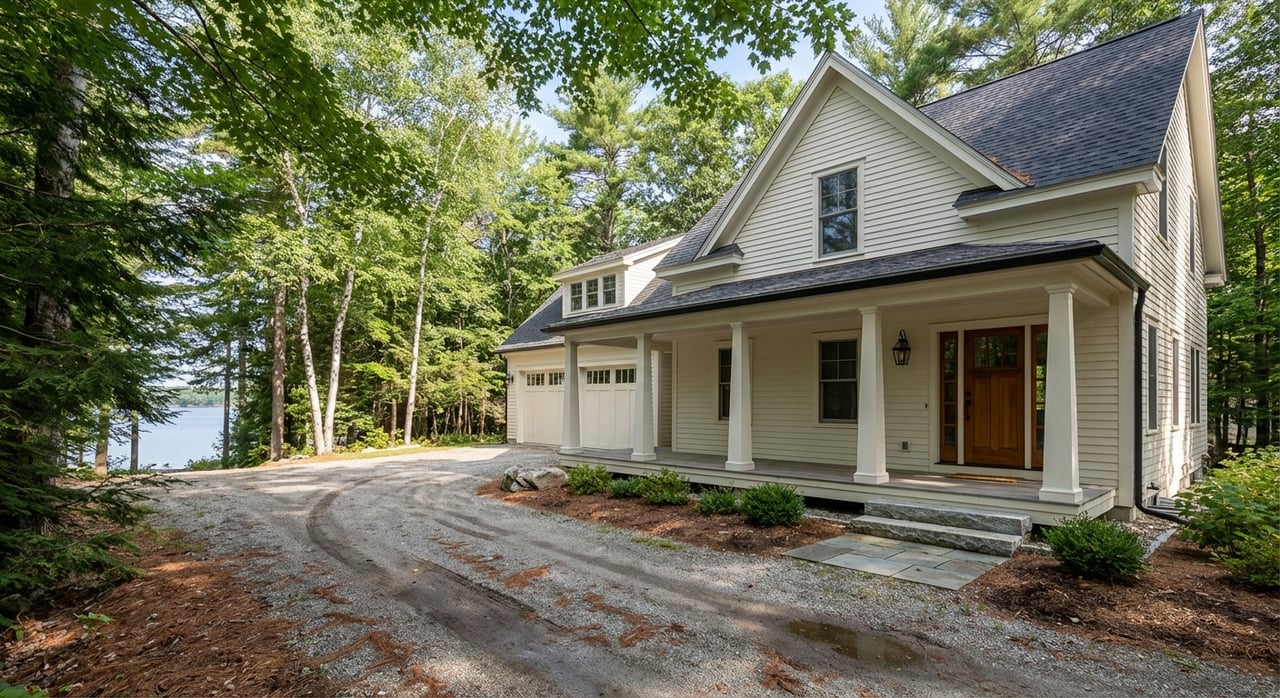
Are you torn between waking up to boats gliding across Meredith Bay or hearing peepers along a quiet back road? Both settings offer something special in Meredith, and the right fit depends on how you want to live day to day. In this guide, you’ll compare lifestyle, utilities, zoning, access to amenities, commute realities, and key checks to run before you buy. You’ll leave with a clear, practical way to choose your home base. Let’s dive in.
What “bay” vs back roads means
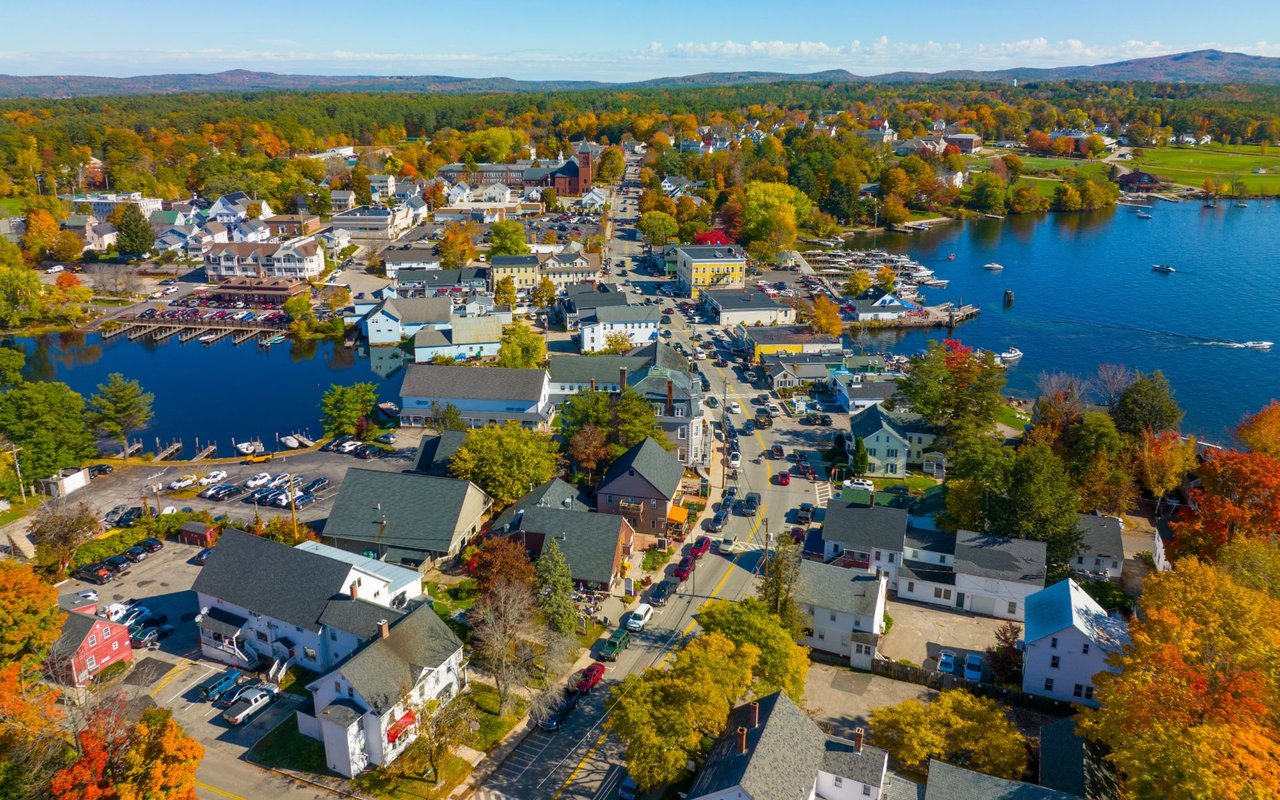
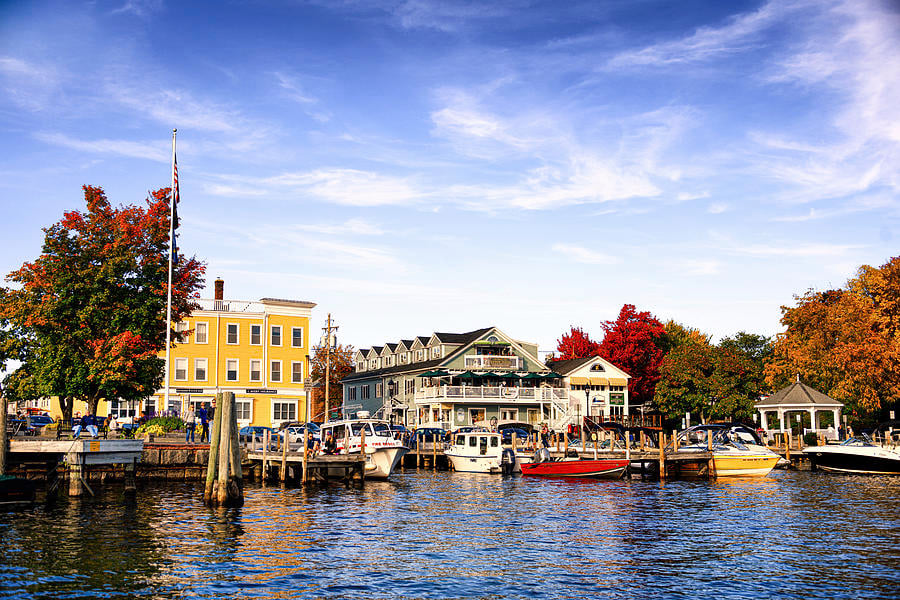
Meredith Village sits at the north end of Meredith Bay on Lake Winnipesaukee, with shops, parks and public docks front and center on the town’s website and visitor info. If you live in or near the village, you enjoy easy access to Main Street, Route 25 services, and waterfront walks. You can explore town services and seasonal updates on the official Meredith site.
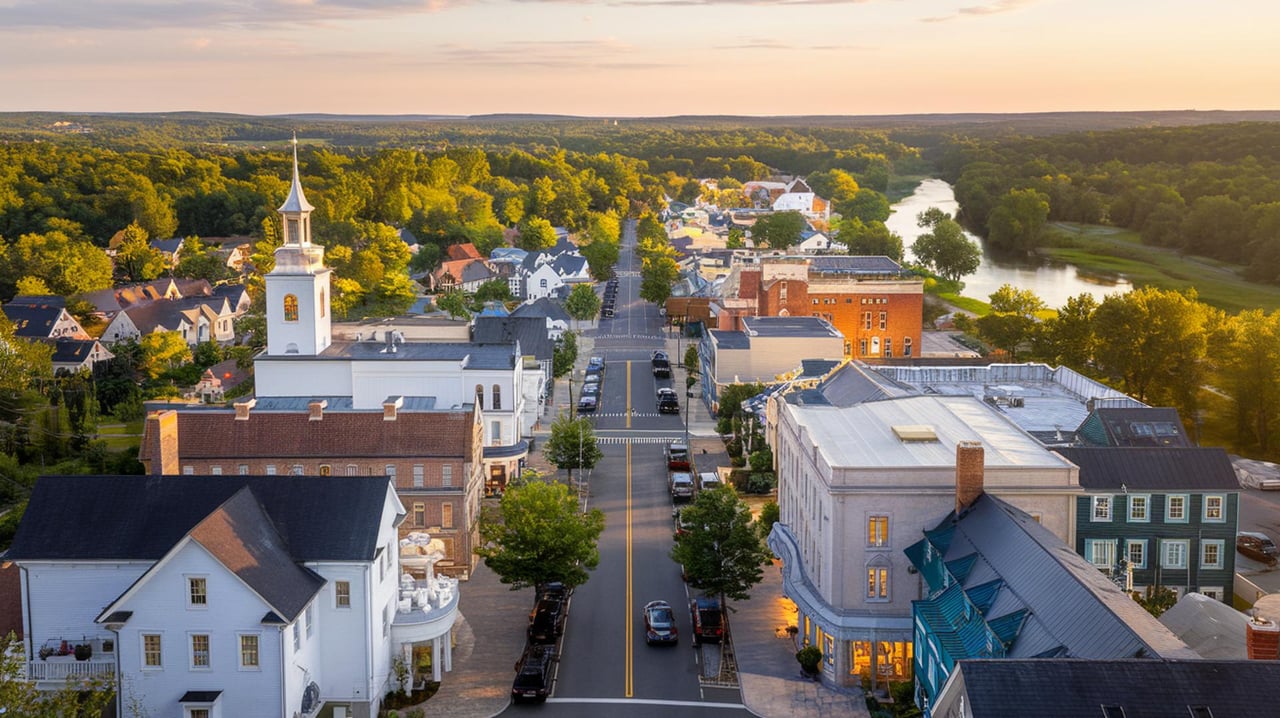
The town’s zoning explains why in-town and rural living feel different. Meredith separates areas into districts like the Central Business District, Shoreline District, Meredith Neck District, Residential District, and Forestry and Rural. Each has its own rules for lot sizes, setbacks, and permitted uses. You can see the full rules in the Meredith Zoning Ordinance and confirm a property’s district on the official zoning map.
Housing you’ll find in each area
Village and bay edge
- Smaller single-family homes and cottages, historic Main Street buildings, and lakeview condos or low-rise units.
- Shorter walks to restaurants, shops, and the waterfront.
- Some resort-style options such as Meredith Bay, which offers townhomes, condos, and an amenity-driven, lock-and-leave lifestyle.
Back roads and rural districts
- Detached homes on larger lots, wooded parcels, and some seasonal cabins.
- More privacy and space, with longer drives to retail and services.
- Private infrastructure is common, which affects inspections and ongoing maintenance.
Utilities and infrastructure basics
Municipal water and sewer cover a substantial part of the village but not the entire town. The Water & Sewer Department reports roughly 1,367 customers and notes that about 45 percent of residents receive municipal water, with wastewater routed through a regional system. If you are looking at an outlying property, plan for a private well and septic and ask for recent service records. For service availability and permits, start with the Meredith Water & Sewer page.
Internet can vary by address. In-town locations often have cable or fiber from commercial providers. Some back-road parcels rely on DSL, fixed wireless, 5G home internet, or satellite. Always run an address check with providers before you make an offer. A quick starting point is the Meredith internet availability summary.
Access to amenities and walkability
If walkability is a priority, being near the bay and Main Street is a plus. Meredith Village hosts boutiques, galleries, and dining, highlighted on the Main Street Meredith site. For groceries and daily errands, the larger cluster along Route 25, including Meredith Bay Shops with Hannaford, gives you convenient one-stop options. See the center’s overview on the Meredith Bay Shops page.
Back-road living usually means driving to these spots, although you may gain immediate access to your own outdoor acreage. Many residents also enjoy town parks and seasonal waterfront activities; you can find local updates and links through the town website.
Shoreline rules and floodplain checks
Waterfront properties require extra diligence. Meredith’s Shoreline District and Floodplain Development Ordinance control how close structures and septic systems can be to the water, what permits are needed for docks or boathouses, and how shoreline rights work. Before you buy, review the relevant sections in the Meredith Zoning Ordinance and confirm the lot’s district on the zoning map. If you plan to update a seasonal cottage or enlarge a home near protected watersheds, check the town’s Ordinances and Maps resources for guidance on overlays and septic setbacks.
Commute, roads, and seasonal realities
Meredith sits where US‑3 and NH‑25 meet, so in-town and state roads see more frequent maintenance and faster travel than narrower local roads. Summer weekends bring busier traffic due to tourism, especially near the village and along major corridors. In winter, town and state routes are typically cleared first. If you are eyeing a back-road property, confirm who handles plowing and repairs for the road, driveway, or any private association.
Typical long commutes are by car. Concord and Manchester are under or around an hour depending on route and traffic, while Boston is roughly 100 to 110 miles and can take 1.5 to 2 hours in non-peak conditions. Always test your exact route at your usual commute time.
Short-term rentals and licensing
Planning to rent seasonally or part-time? Meredith regulates short-term rentals. In most districts, you need a special exception, a town license, and a fire inspection before you can operate. Review the process and requirements on the town’s Short-Term Rentals page and confirm what applies to your specific district before you write an offer.
Cost and market rhythm
Public data places most town-wide home values in the mid six figures, with significant premiums for lakefront locations and luxury properties. Waterfront homes can reach the high six figures to several million dollars. Inventory flows with the seasons. Listings and buyer activity tend to increase in spring and summer, while rural back-road properties can appear sporadically as long-time owners decide to sell. If you value a lock-and-leave setup with amenities and access to the lake lifestyle, communities like Meredith Bay often attract second-home buyers.
Quick chooser: bay or back roads?
Bay and village fit if you want:
- Short walks to dining, shops, and public docks.
- Lower driveway and road maintenance in winter.
- Condos or smaller lots with a simpler, amenity-forward lifestyle.
Back-road and rural fit if you want:
- Larger lots, privacy, and quiet nights.
- Woods, space for hobbies, and room to expand.
- A car-first lifestyle with private well and septic responsibilities.
Buyer checklist for tours
Use this list to compare addresses and avoid surprises:
- Utilities and services
- Confirm if the address is on town water and/or sewer using the Water & Sewer page. If not, request recent well tests and septic pumping or inspection records.
- Zoning and permitted uses
- Identify the district on the zoning map. Then check setbacks, accessory uses, and waterfront rules in the Zoning Ordinance.
- Shoreline and floodplain
- For waterfront or near-water parcels, confirm dock or mooring rights, shoreline structure status, and any floodplain requirements in the ordinance.
- Access and maintenance
- Ask who maintains the road and driveway, and what it costs per year. Confirm winter plowing arrangements for private roads.
- Broadband and cell coverage
- Run an address check for wired and wireless options. Start with the Meredith internet summary and verify directly with providers.
- Short-term rental plans
- If you expect rental income, read the Short-Term Rentals guidance and budget time for licensing and inspections.
Healthcare and daily logistics
For hospital care, the Lakes Region is served by Concord Hospital’s Laconia location, with Huggins Hospital in Wolfeboro also nearby. Consider your preferred clinic or urgent care and map the drive from any property you like. You can view a regional directory entry for the Laconia system on the NNLM listing.
Ready to compare addresses on the ground?
Whether you lean toward village convenience or a wooded retreat, you deserve clear answers about zoning, utilities, shoreline rules, and what each lifestyle feels like across the seasons. If you want a guided search with smart checklists, local vendor referrals, and calm, project-managed support from offer to close, reach out to Janet Sienko. Let’s find the Meredith home base that fits how you live.
FAQs
What is the difference between Meredith’s in-town and rural zoning districts?
- Meredith separates areas into districts like Central Business, Shoreline, Residential, and Forestry and Rural. Each district has its own rules for setbacks, lot sizes, and uses, which you can review in the Zoning Ordinance and on the zoning map.
How do water and sewer services work for homes in Meredith?
- Municipal water and sewer mainly serve village areas, while many back-road homes use private wells and septic systems. Confirm service and permits through the Water & Sewer page and request recent well and septic records for private systems.
What should I know before buying a waterfront home in Meredith?
- Shoreline and floodplain rules control structures, docks, and septic placement. Review the Shoreline District and Floodplain Development sections of the Zoning Ordinance and verify any deeded mooring or dock rights before you offer.
How walkable is living near Meredith Bay compared with back roads?
- Near the bay, you can often walk to Main Street dining, shops, and public docks highlighted on the Main Street Meredith site. Back-road homes usually require driving to town for errands, but offer more privacy and land.
Are short-term rentals allowed in Meredith if I buy a home to rent seasonally?
- In most districts, short-term rentals require a special exception, a town license, and a fire inspection. Review steps and timelines on the town’s Short-Term Rentals page and confirm district rules for any property you’re considering.