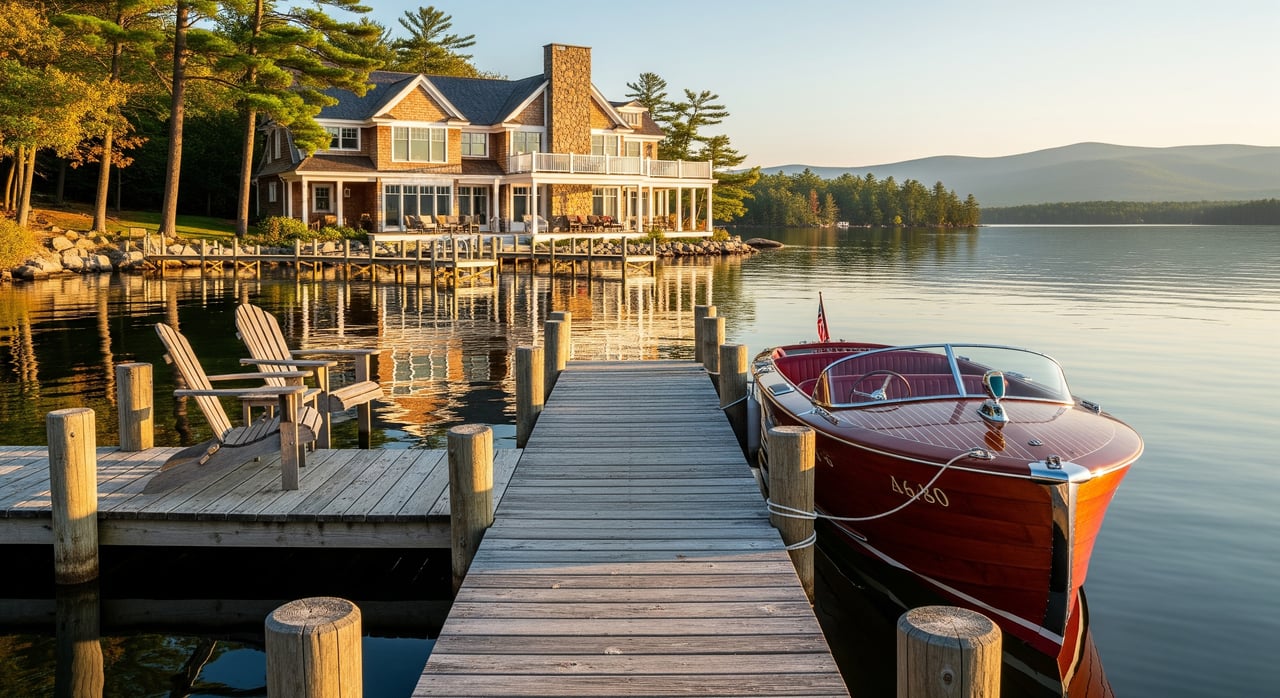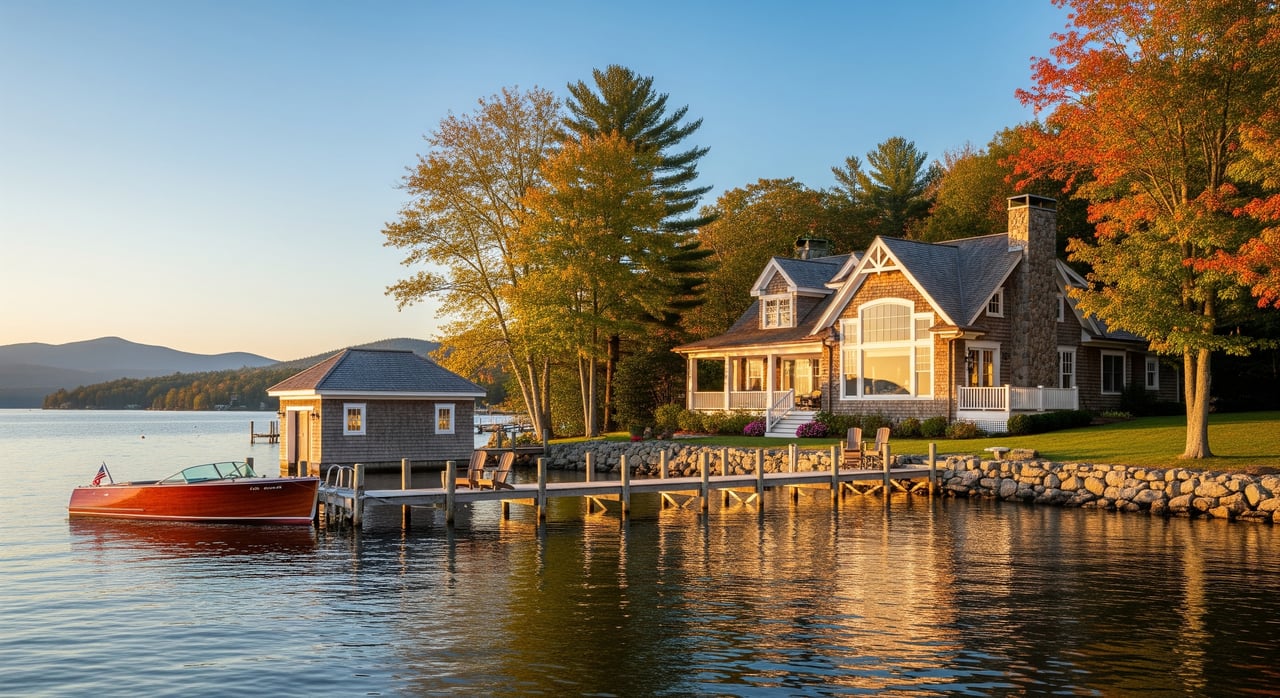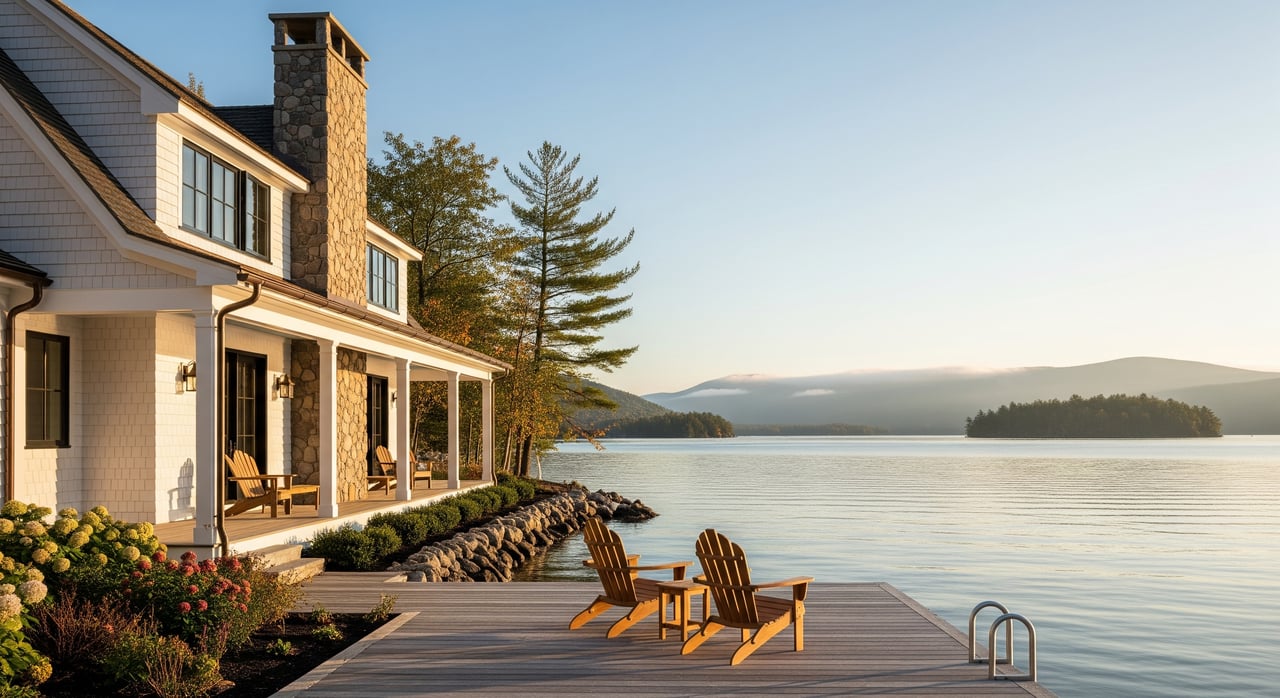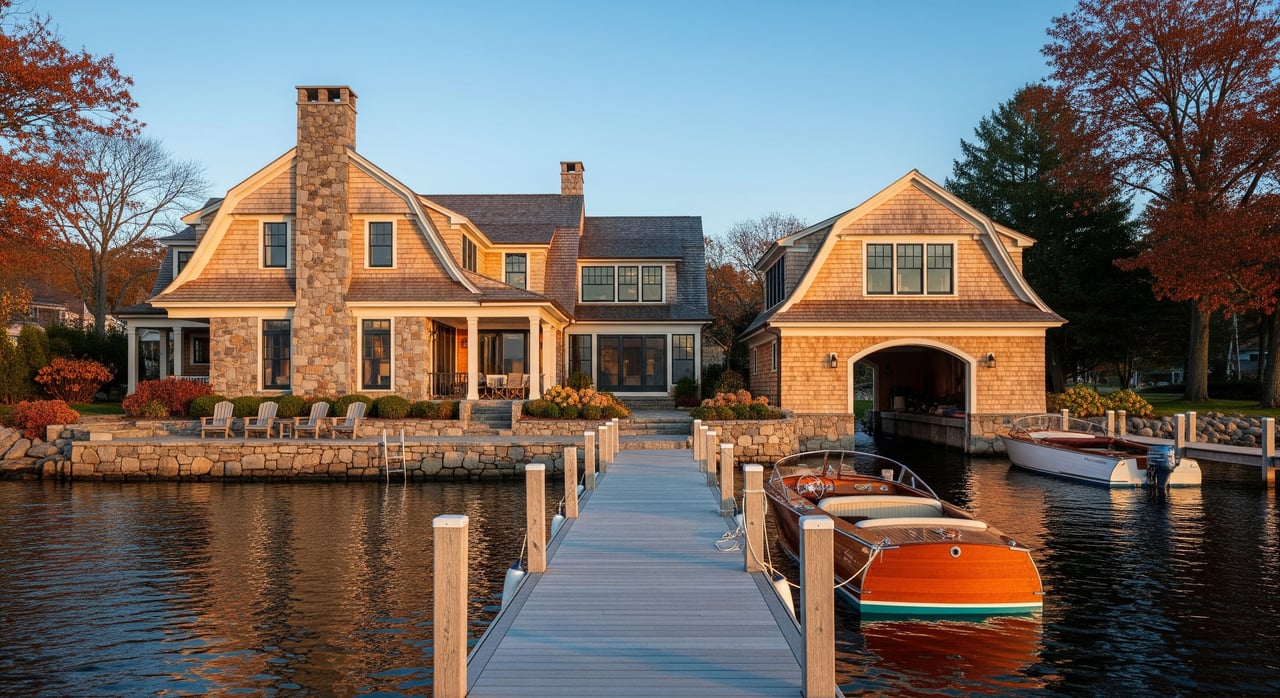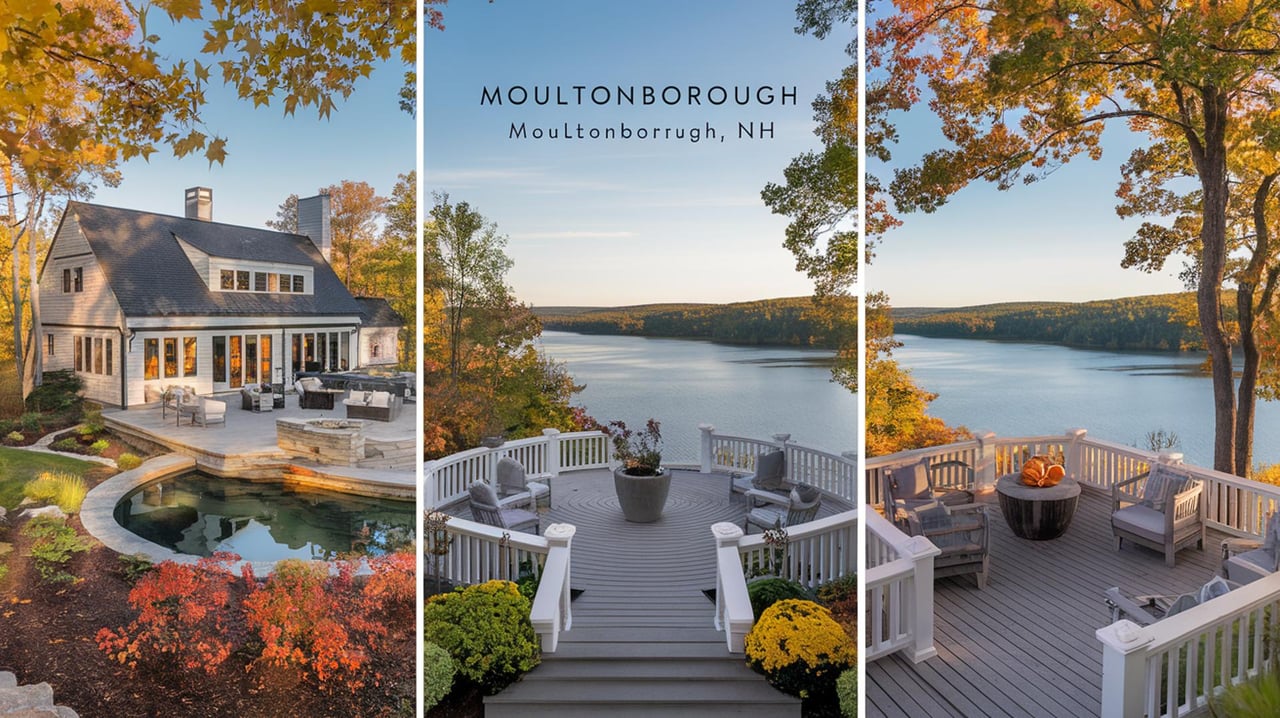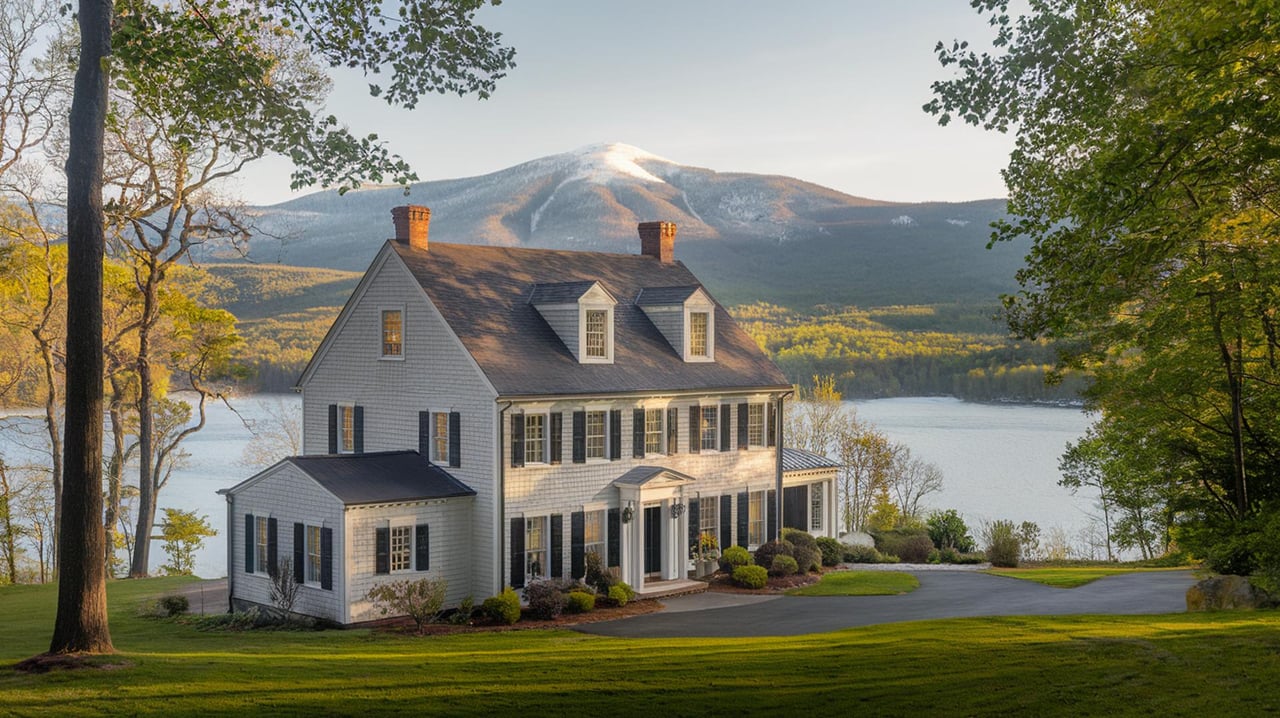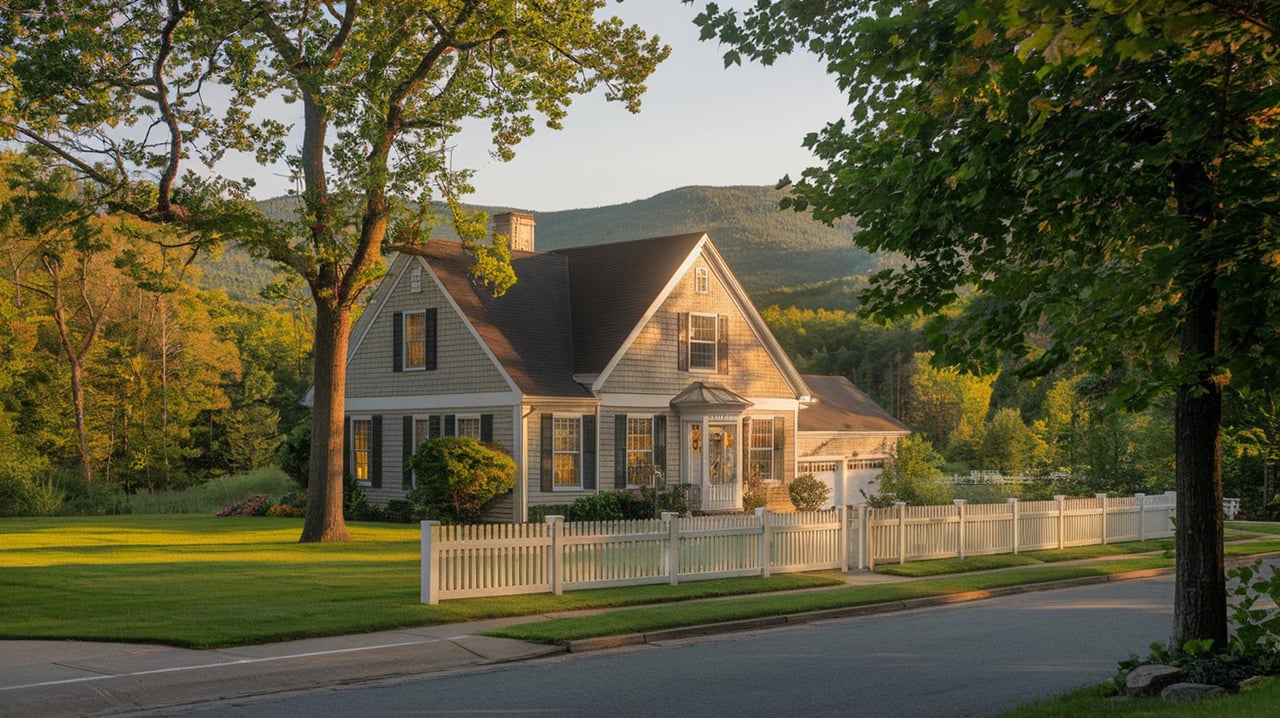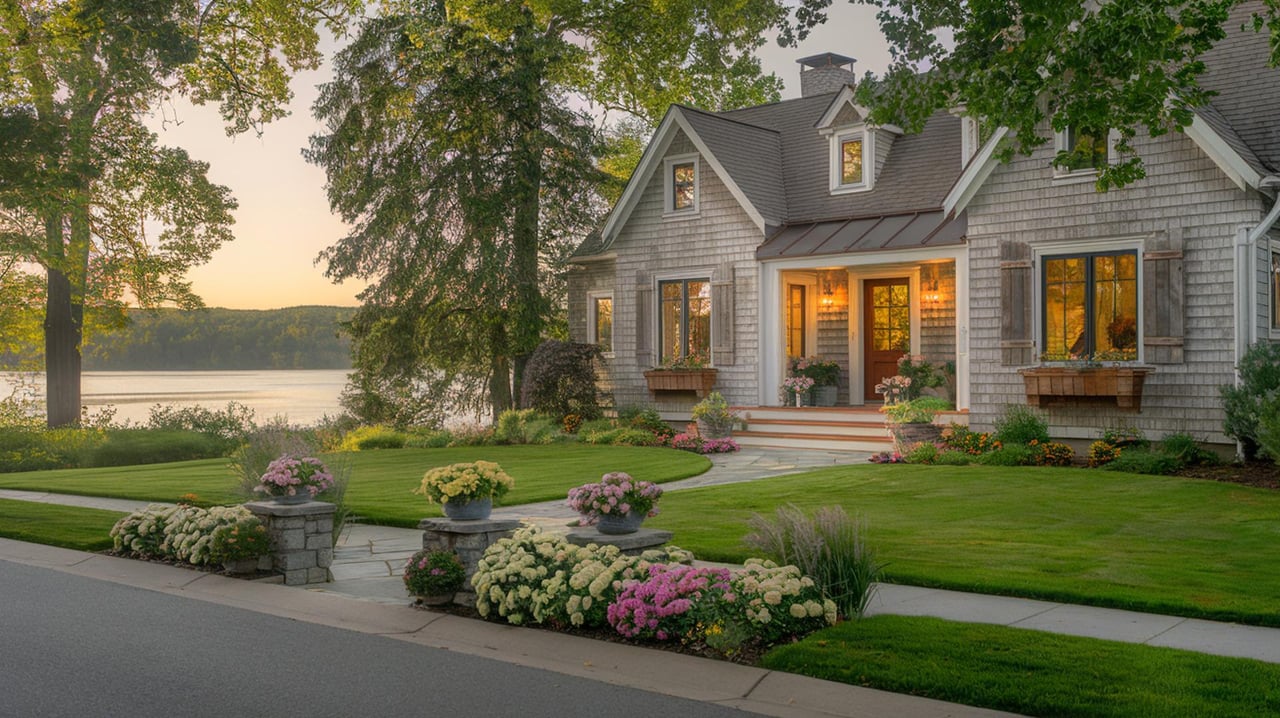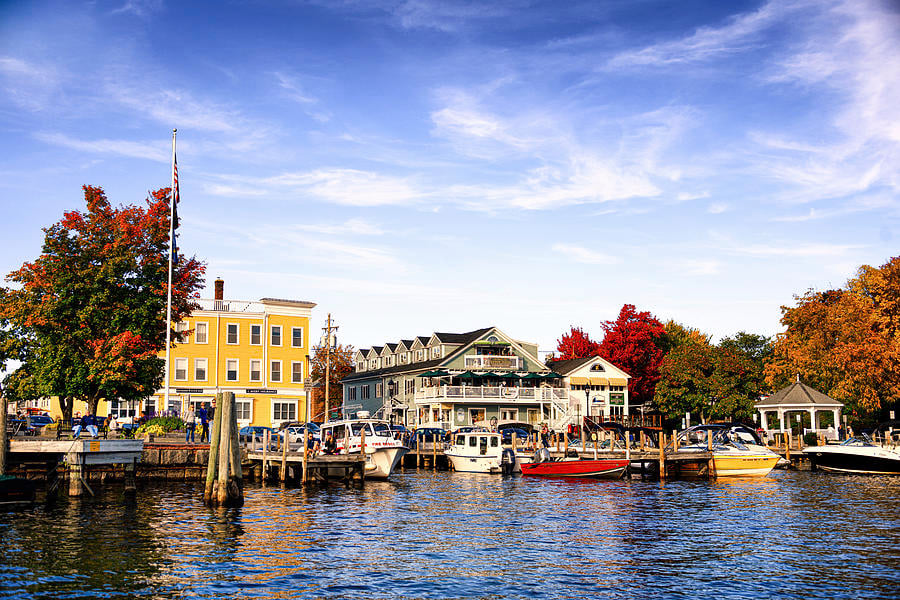
Thinking about a home down a quiet lane in Center Tuftonboro? Many beautiful cottages and year-round homes here sit on private roads. The setting is peaceful, but buying on a private road comes with legal, financial, and practical details you should confirm early. In this guide, you’ll learn what to check, who to ask, and how to protect your purchase. Let’s dive in.
Why private roads are common
Tuftonboro is a rural Lakes Region town with neighborhoods around Lake Winnipesaukee. Many properties were created through older subdivisions or private agreements, so access often runs over private roads.
These roads may be informal or fully documented with recorded covenants and road-association bylaws. The town maintains public roads, not private ones. Confirm the road classification with the Town of Tuftonboro so you know who handles maintenance and what standards apply.
Legal basics: access and rights
Start with the deed and any recorded easements or rights-of-way. These documents state who can use the road, the width and permitted uses, and whether utilities can be installed or serviced along it. Easements can be exclusive or non-exclusive, which affects your access rights.
Some private roads may later be accepted by the town, but that requires a formal process and often upgrades to meet town standards. In New Hampshire, road classes (such as Class V or VI) carry different expectations for maintenance. Verify the current classification and any town history on acceptance discussions.
Who maintains and pays
Maintenance is usually defined in a recorded maintenance agreement or road-association bylaws. Costs are commonly split in one of several ways: equal shares, frontage-based shares, lot-size proportional, or usage-based. The agreement should explain voting rules, budgets, and how decisions get made.
Healthy associations keep reserve funds for big projects like drainage work or base repairs. If reserves are thin, owners may face special assessments. Many agreements also include enforcement tools and the ability to place liens for unpaid fees. Review these details before you commit.
Lender and insurance checkpoints
Some lenders, including government-backed options like FHA and VA, require safe, year-round access. Check with your lender early so you understand any road documentation they will need.
Homeowners insurance can be affected by road condition and emergency response capability. If fire trucks or ambulances cannot access the property due to width, grade, or surface issues, it can impact coverage and premiums. Title insurance may list exceptions for road agreements and easements, so read your title report closely.
Buyer due-diligence checklist
Getting the right documents and inspections upfront can prevent surprises later.
Documents to request
- Recorded deed and all easements or right-of-way instruments.
- Road association or maintenance agreement, bylaws, covenants, and rules.
- Recent budgets, financial statements, and the reserve fund balance.
- Meeting minutes from the last 2 to 3 years and any notices of pending assessments.
- Current contracts for snow plowing, grading, paving, or drainage work.
- Any correspondence or legal actions related to the road, including liens.
Professional reviews and inspections
- Title search and title insurance commitment to identify exceptions and liens.
- Property survey showing the road’s location, right-of-way width, and encroachments.
- Physical inspection of the road surface, drainage, culverts, erosion, and signage.
- Check with the local fire department to confirm year-round emergency vehicle access.
- If road or culvert work is near wetlands or shoreland, verify permit needs with state agencies.
Questions to ask sellers, neighbors, and the association
- Who is responsible for maintenance and how are costs split?
- What were the annual road costs over the last 3 to 5 years?
- Are there upcoming projects or special assessments planned?
- Are any owners delinquent on dues and how are liens handled?
- How is voting structured and can new members be added?
- Has the town considered accepting the road? What upgrades would that require?
- Are there seasonal weight limits or closures? Any limits on commercial or rental use?
Local verifications
- Confirm road classification and any town requirements with local offices.
- Check recorded documents at the county registry of deeds.
- Review driveway, culvert, and applicable shoreland or wetlands permits if relevant.
Practical day-to-day impacts
Emergency access and safety
Road width, turning radius, and base strength matter. Fire trucks and ambulances need reliable year-round access. Address signs and clear road naming help with dispatch and deliveries.
Winter maintenance
Most private roads rely on a contracted plow service. Clarify response times, sanding or ice treatment, and whether heavy vehicles are restricted during spring thaw to protect the road base.
Utilities and services
Confirm that easements allow installation and maintenance of electric, cable, phone, and internet lines. Ask providers about service and any access limits for trucks. Mail delivery, trash pickup, and school bus service may depend on road condition.
Environmental and permits
Culvert replacement or significant grading near wetlands may require permits. Shoreland rules may apply near Lake Winnipesaukee or other regulated water bodies. Verify requirements before any road work.
Red flags to watch
- No recorded maintenance agreement or vague deed language about access and upkeep.
- Low or zero reserves with obvious deferred maintenance.
- Multiple delinquent owners and weak enforcement provisions.
- Known disputes or pending litigation about the road or easements.
- Road geometry or condition that limits emergency access or lender approval.
- Unpermitted work in wetlands or culvert areas.
Smart negotiation moves
- Make delivery and review of road documents and financials a purchase contingency.
- Request seller credits or escrow if large repairs or assessments are disclosed.
- Require the seller to clear any road-related liens before closing.
- Ask for a written commitment for near-term repairs and who pays for them.
- Consider a price adjustment if road condition limits use or needs immediate work.
Planning for upgrades and town acceptance
If the road needs significant improvement, owners may choose to upgrade it and seek town acceptance. This process typically requires the road to meet town construction standards and a formal vote or petition. It can be costly and time-consuming, so check whether the road’s documents allow special assessments or other funding methods.
Work with a local guide
Buying on a private road can be smooth when you know the questions to ask and where to verify details. A local expert can coordinate documents, inspections, and conversations with the town, utilities, and emergency services so you move forward with confidence.
If you are considering a place in Center Tuftonboro, reach out for calm, step-by-step guidance. I can help you gather the right records, vet maintenance budgets, and plan smart contingencies that protect your purchase. When you are ready, connect with Janet Sienko for a neighborly, well-organized path to closing.
FAQs
What does “private road” mean when buying in Center Tuftonboro?
- It means the road is not maintained by the town and access is governed by recorded easements or agreements among property owners or a road association.
How are costs usually split on a private road in NH?
- Agreements often divide costs equally, by frontage, by lot size, or by use; review the recorded maintenance agreement and recent budgets to confirm your share.
Will my lender finance a home on a private road?
- Many lenders will, but some require guaranteed, safe, year-round access; check with your lender early and be ready to provide the road agreement and proof of maintenance.
What documents should I collect before I make an offer?
- Ask for recorded easements, road agreement and bylaws, recent budgets and minutes, current vendor contracts, and a title commitment showing any exceptions or liens.
Who handles snow plowing on private roads in Tuftonboro?
- Most roads hire a contractor through the association or owners; review the plow contract for response times, sanding, and who pays during storms.
Can a private road be accepted by the town later?
- Sometimes, but it usually requires upgrades to meet town standards and a formal acceptance process; confirm requirements and costs with local officials and the association.