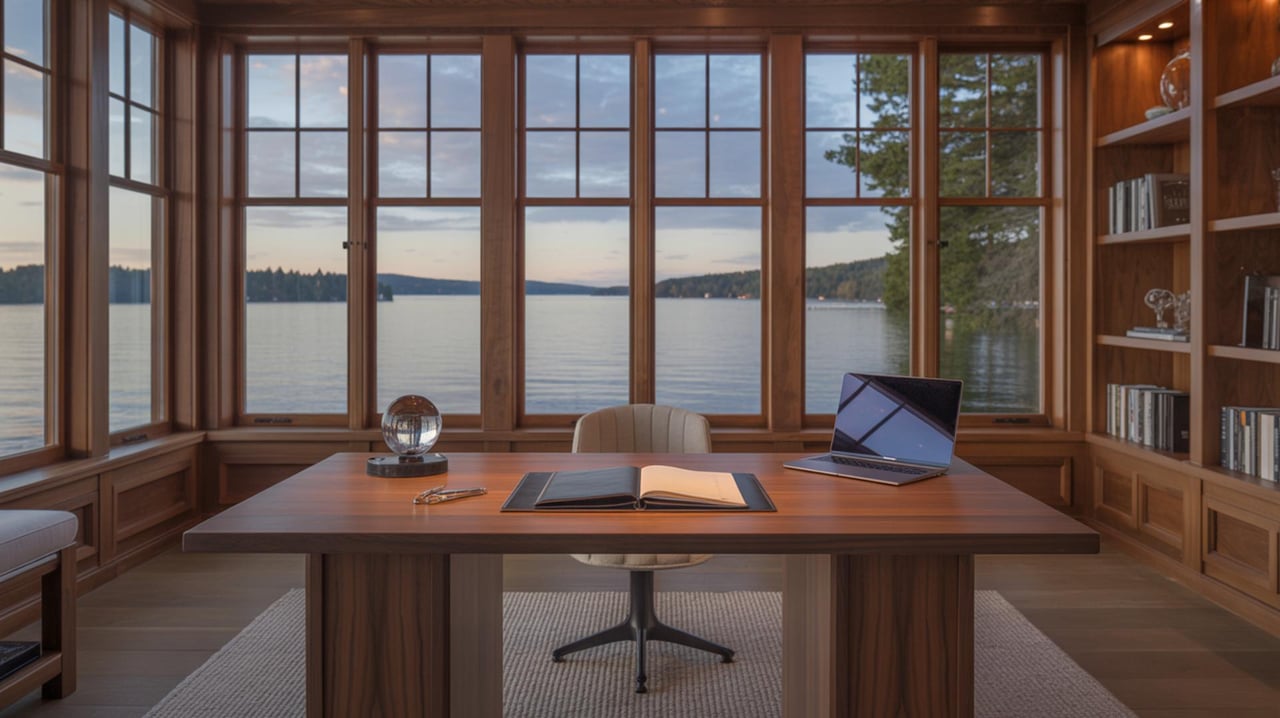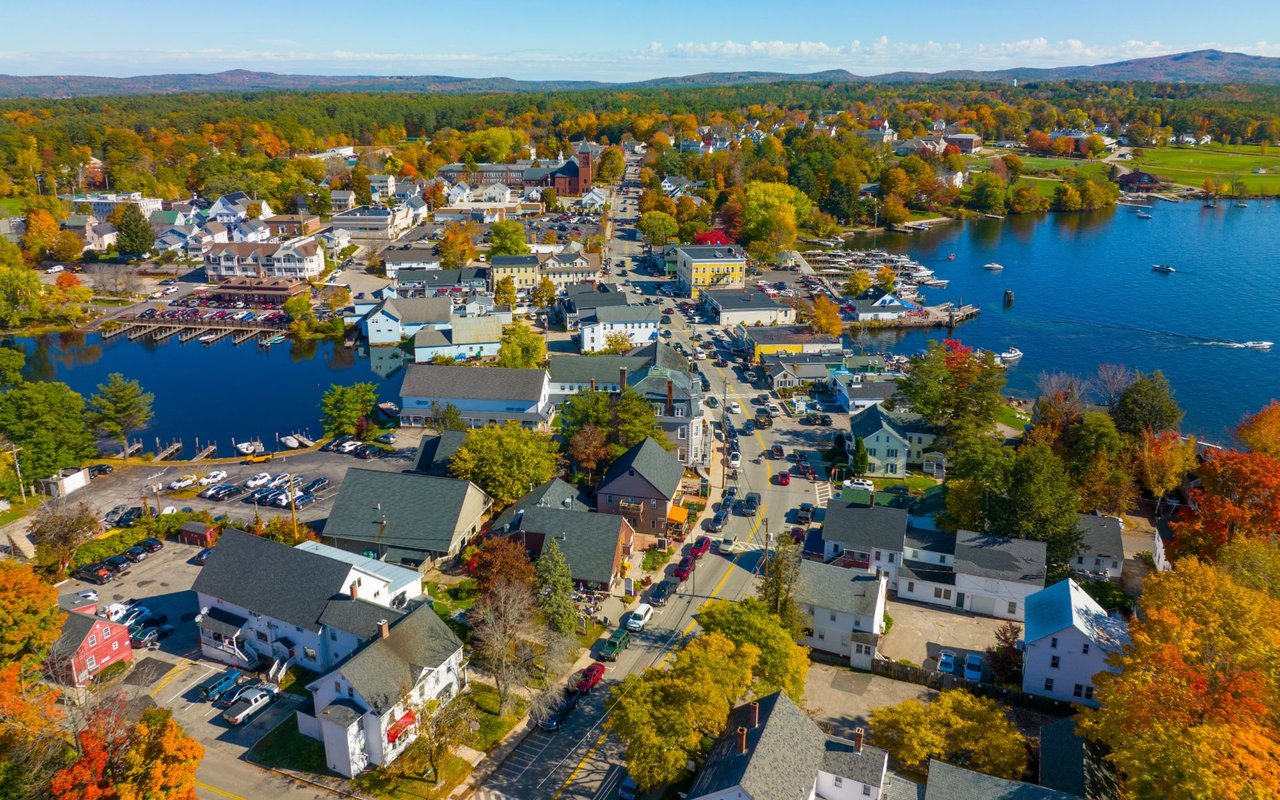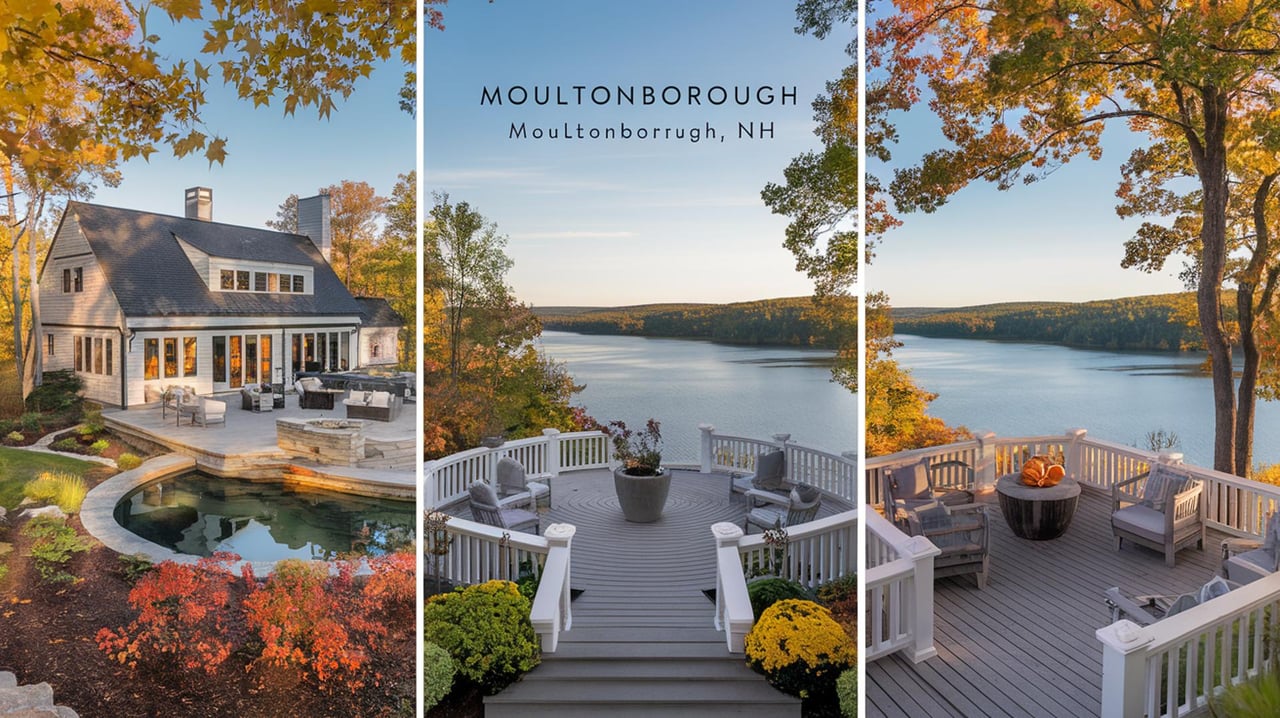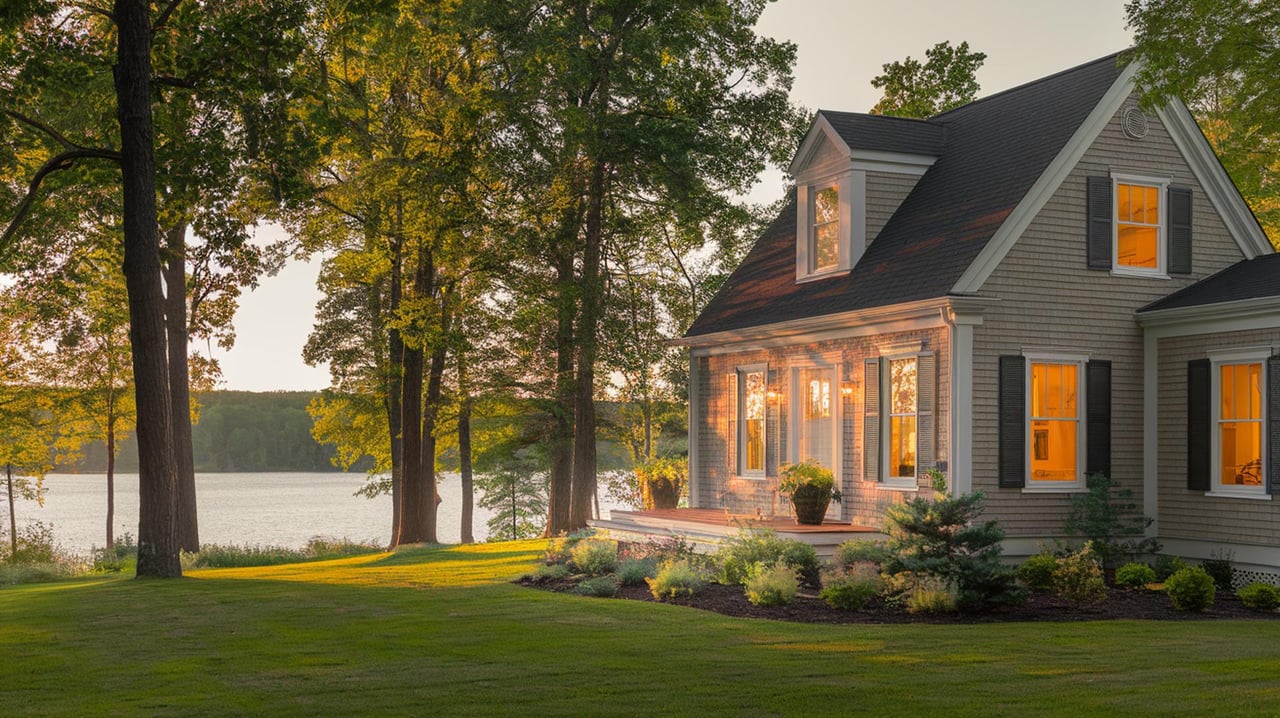
Thinking about buying a place in Wolfeboro and renting it when you’re not there? You’re not alone. Lake Winnipesaukee draws families, boaters, and four‑season adventurers, and that mix can make short‑term rentals attractive. In this guide, you’ll learn how demand flows through the year, what property features boost revenue, which rules and costs to check, and how to run the numbers with confidence. Let’s dive in.
Why Wolfeboro works
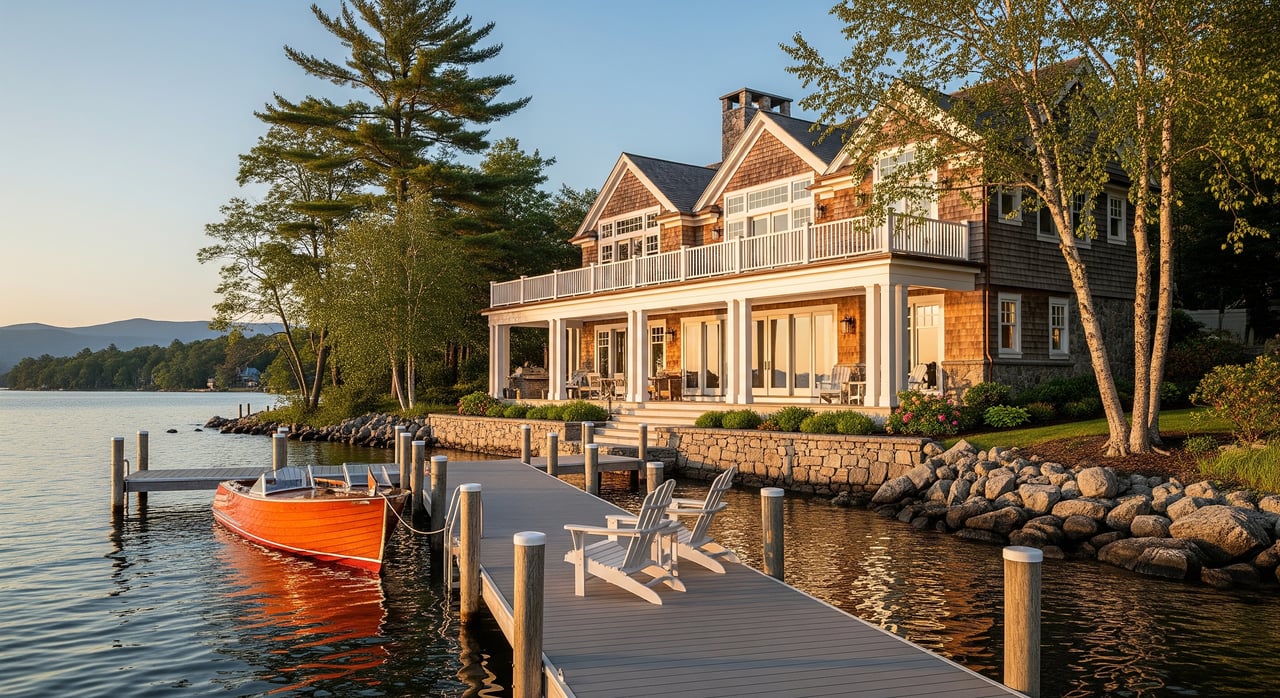
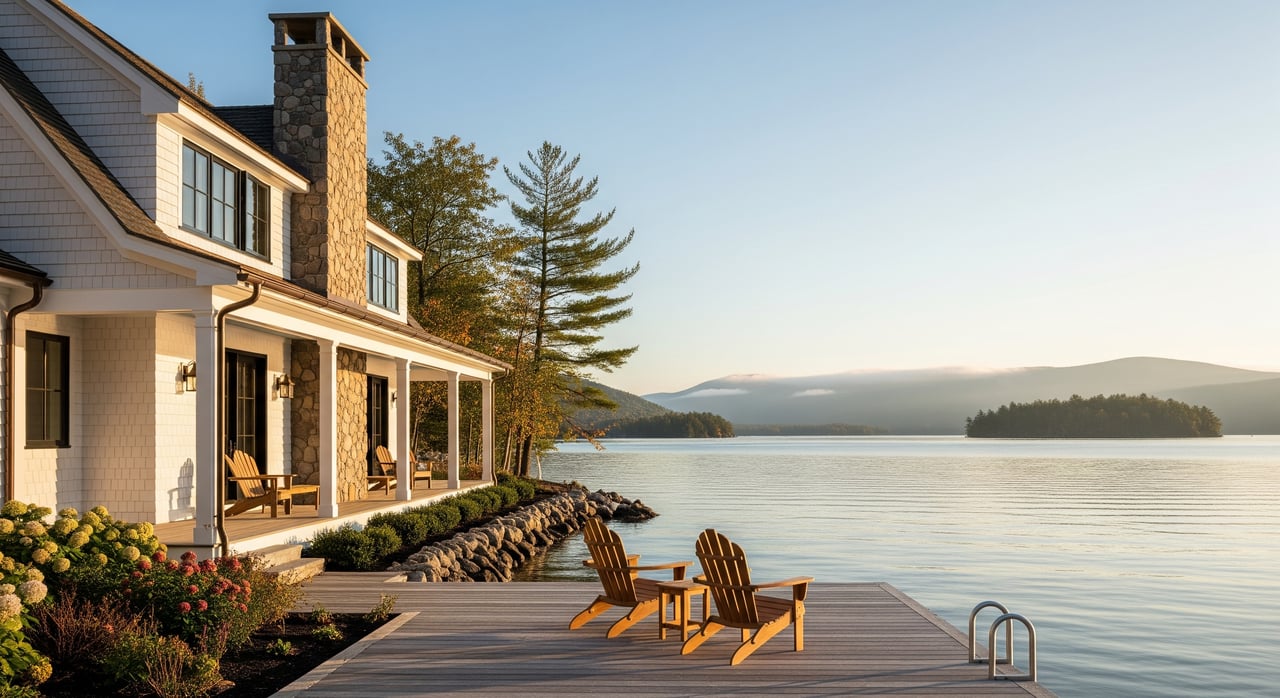
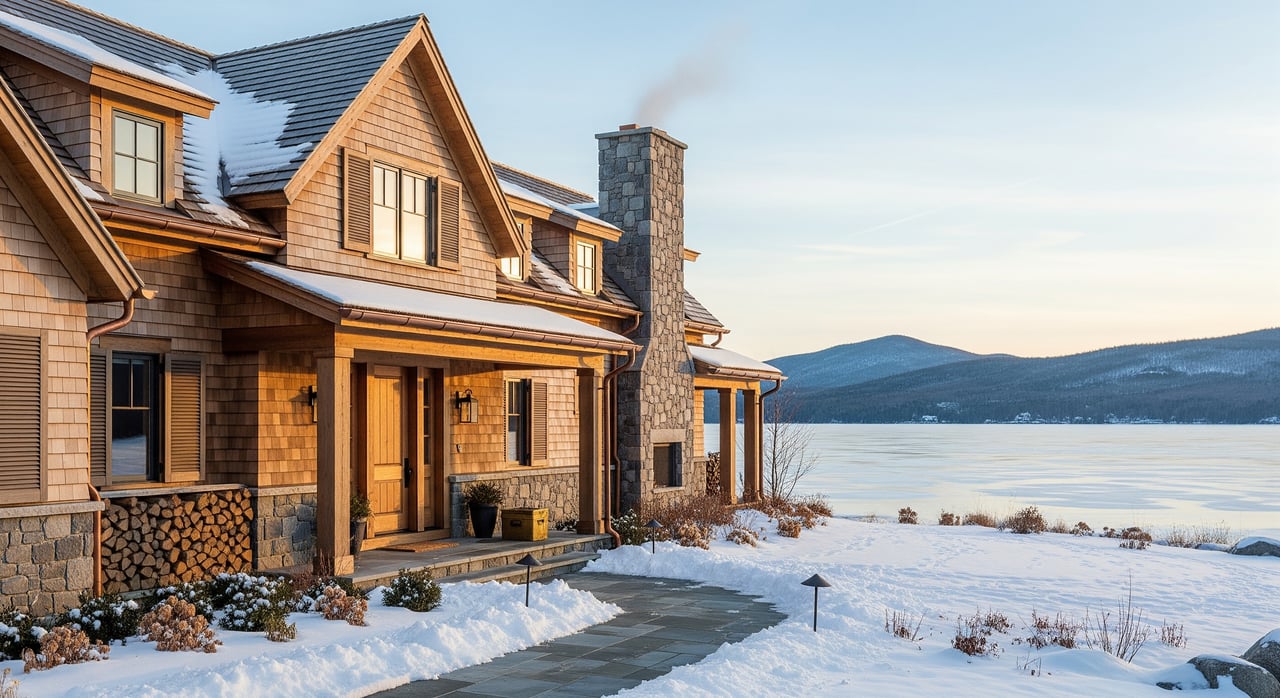
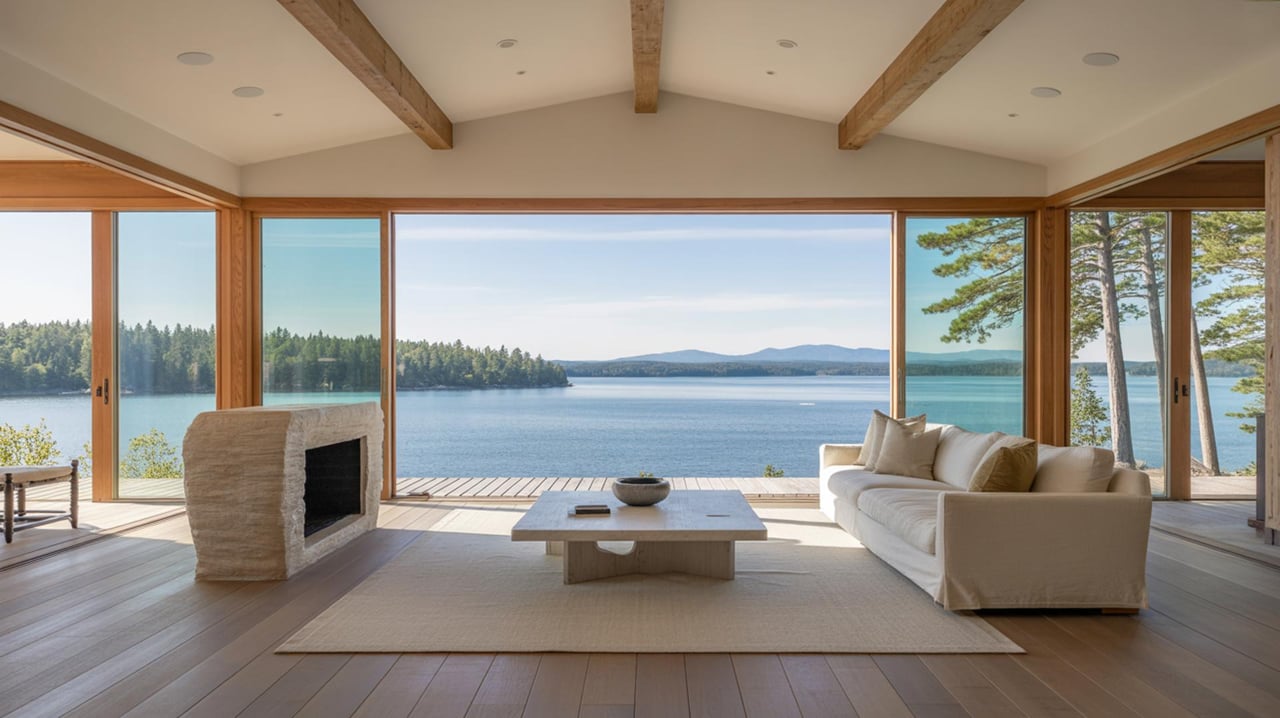
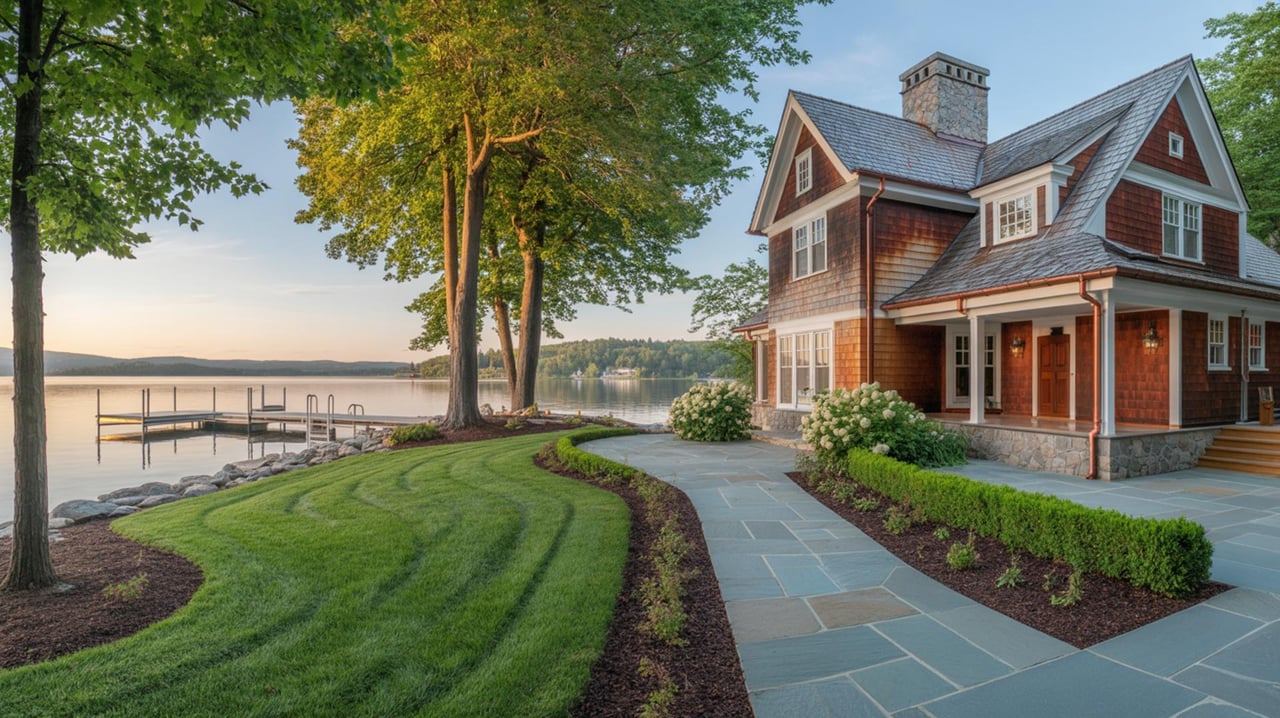
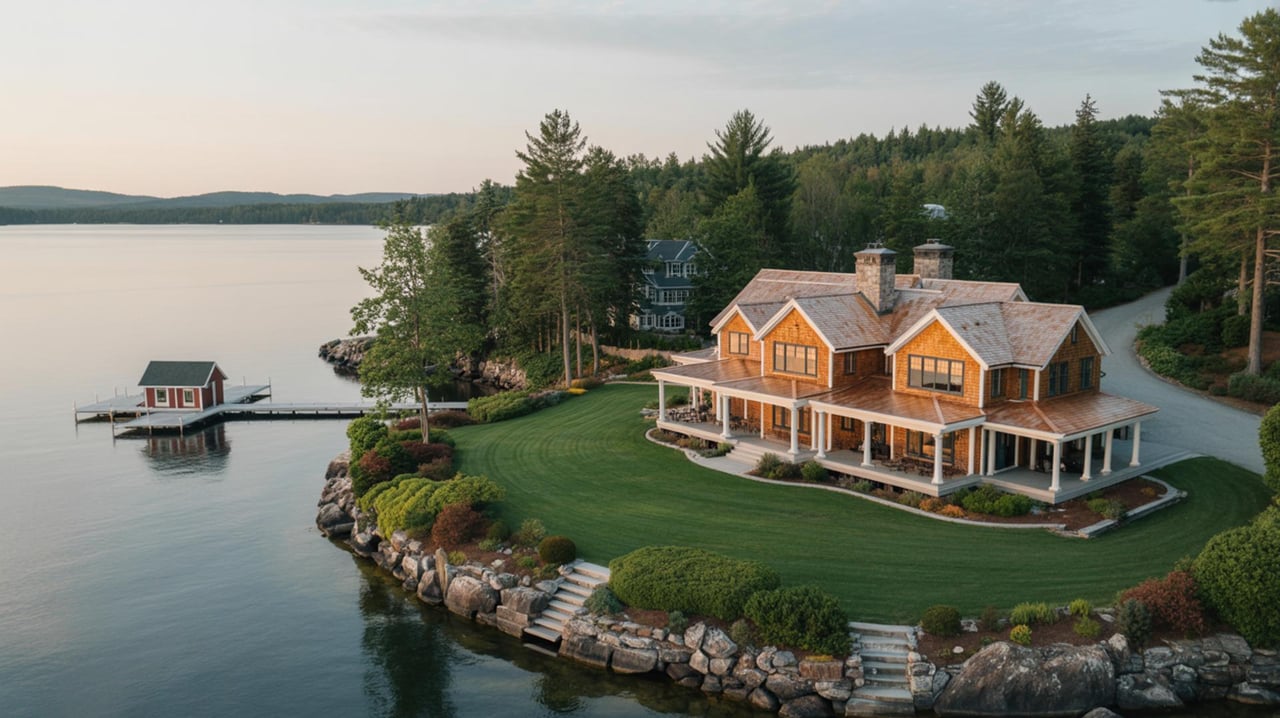
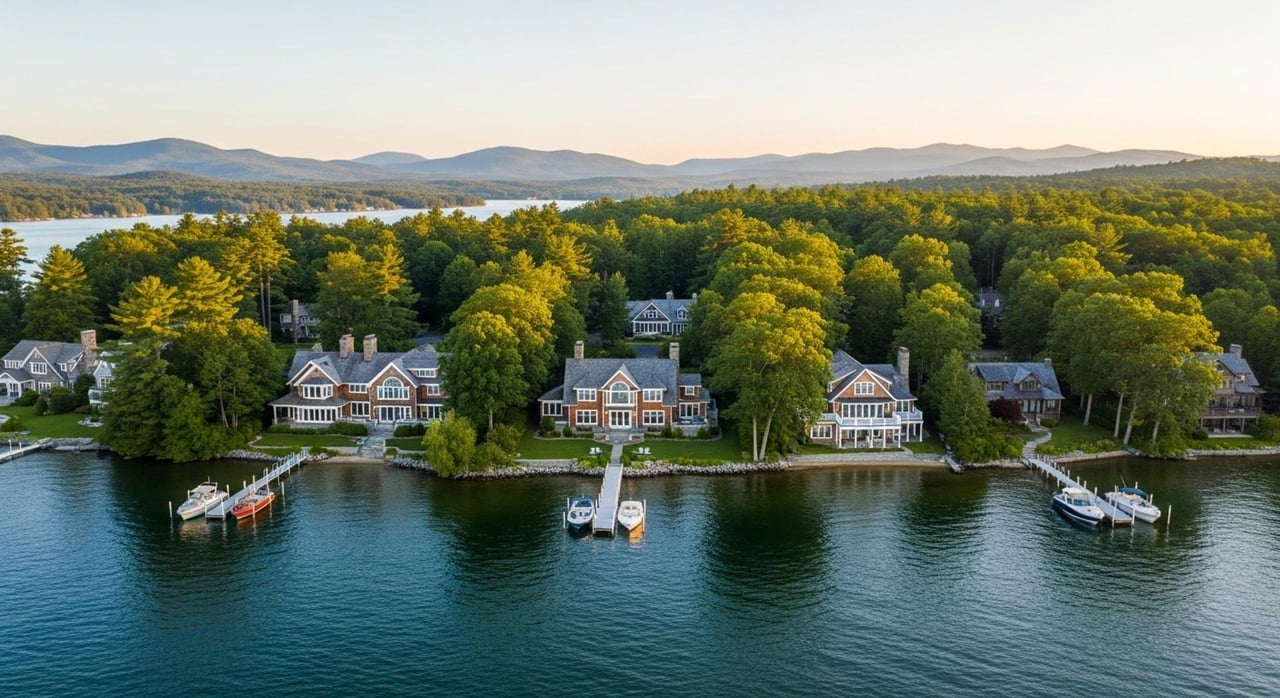
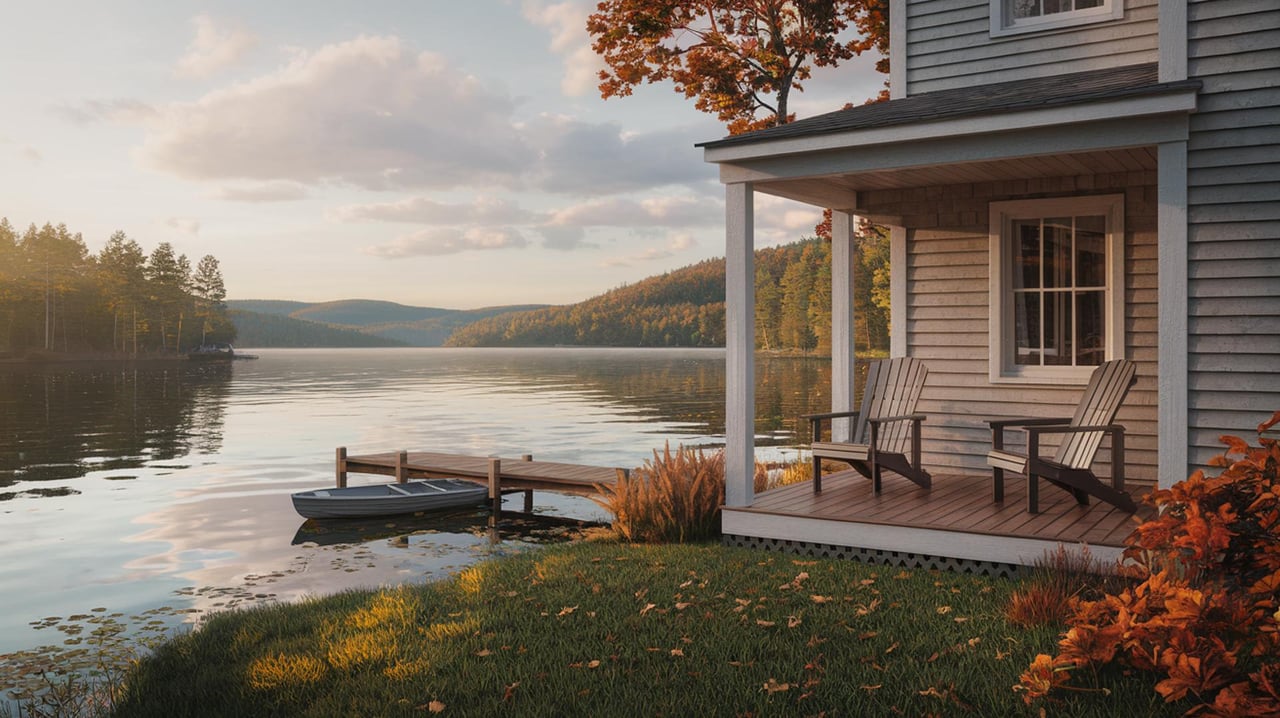
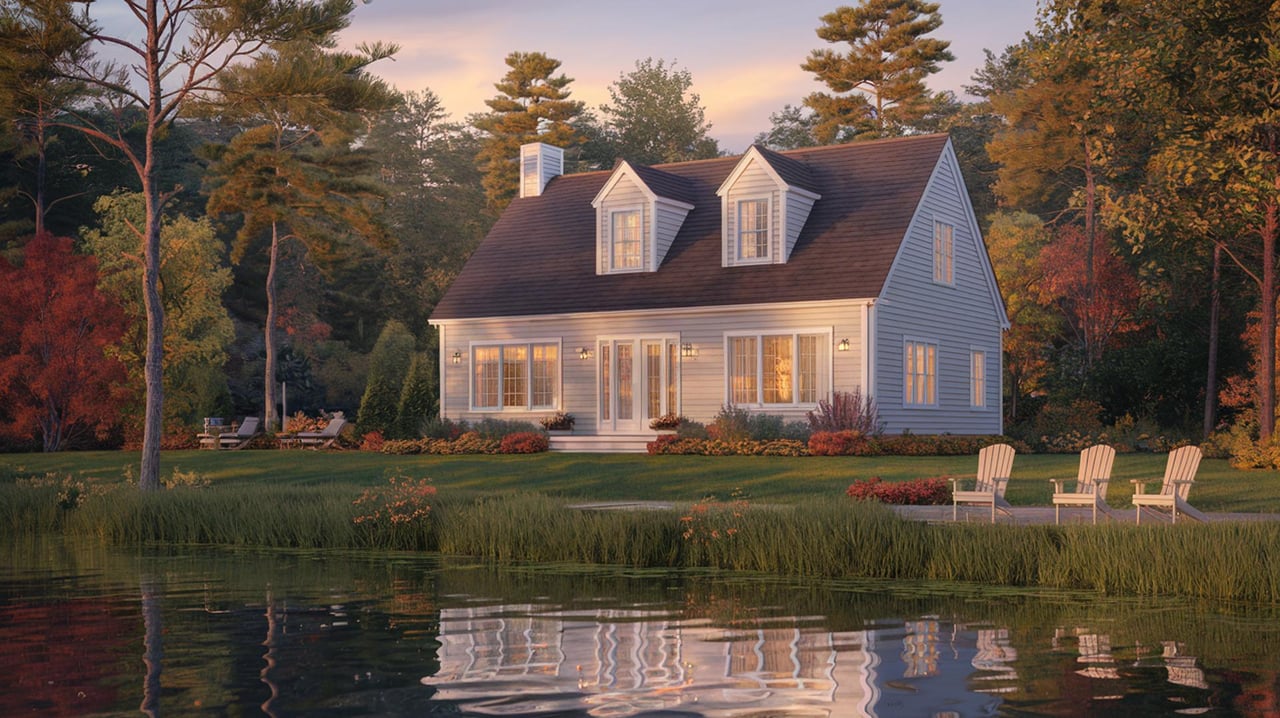
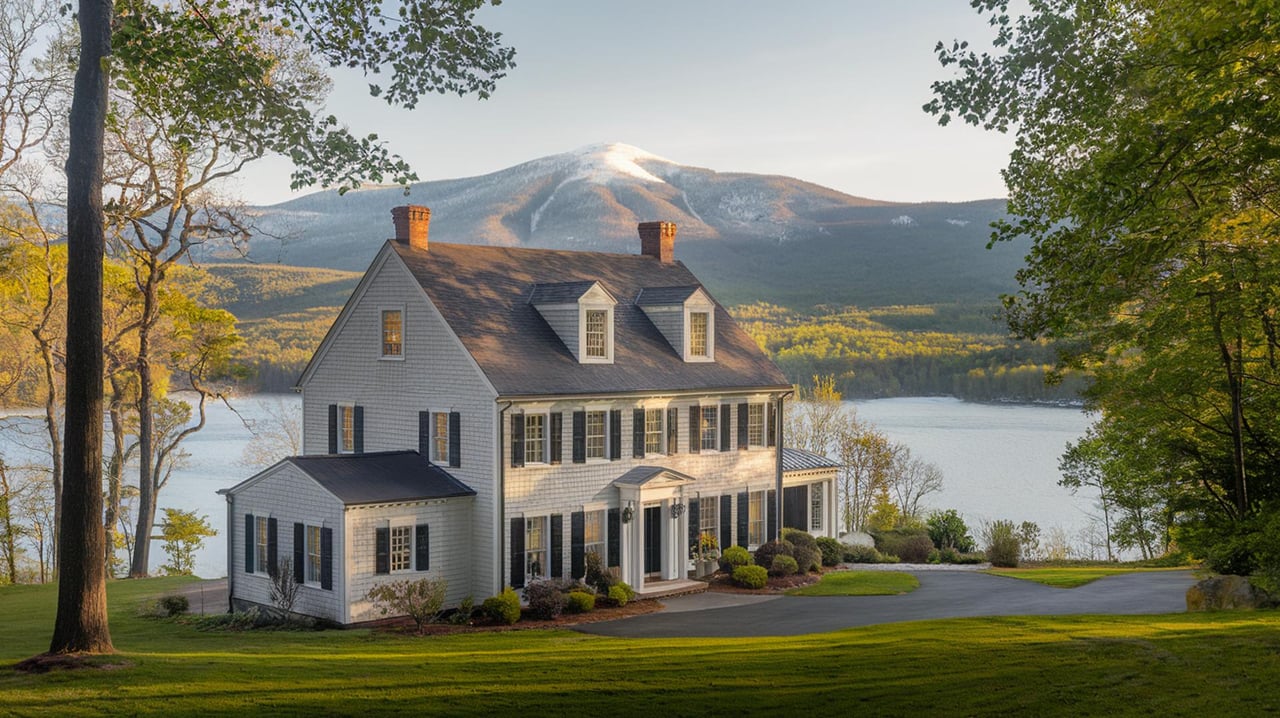
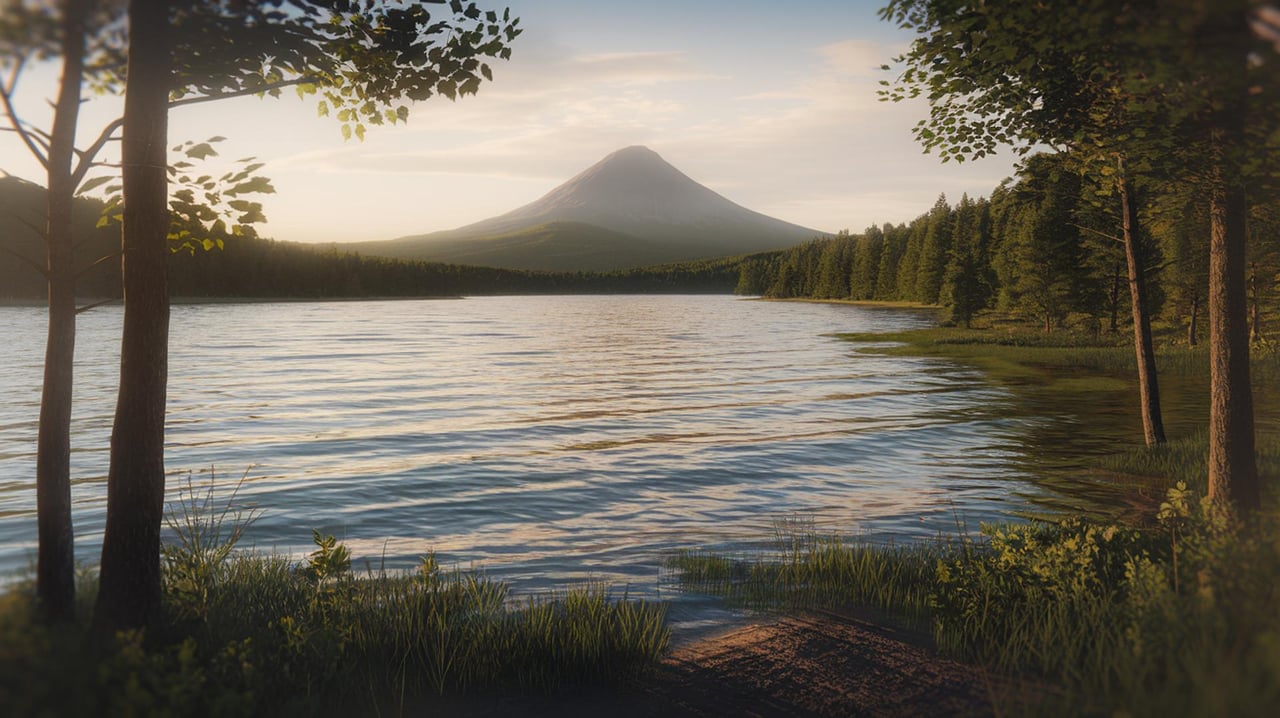
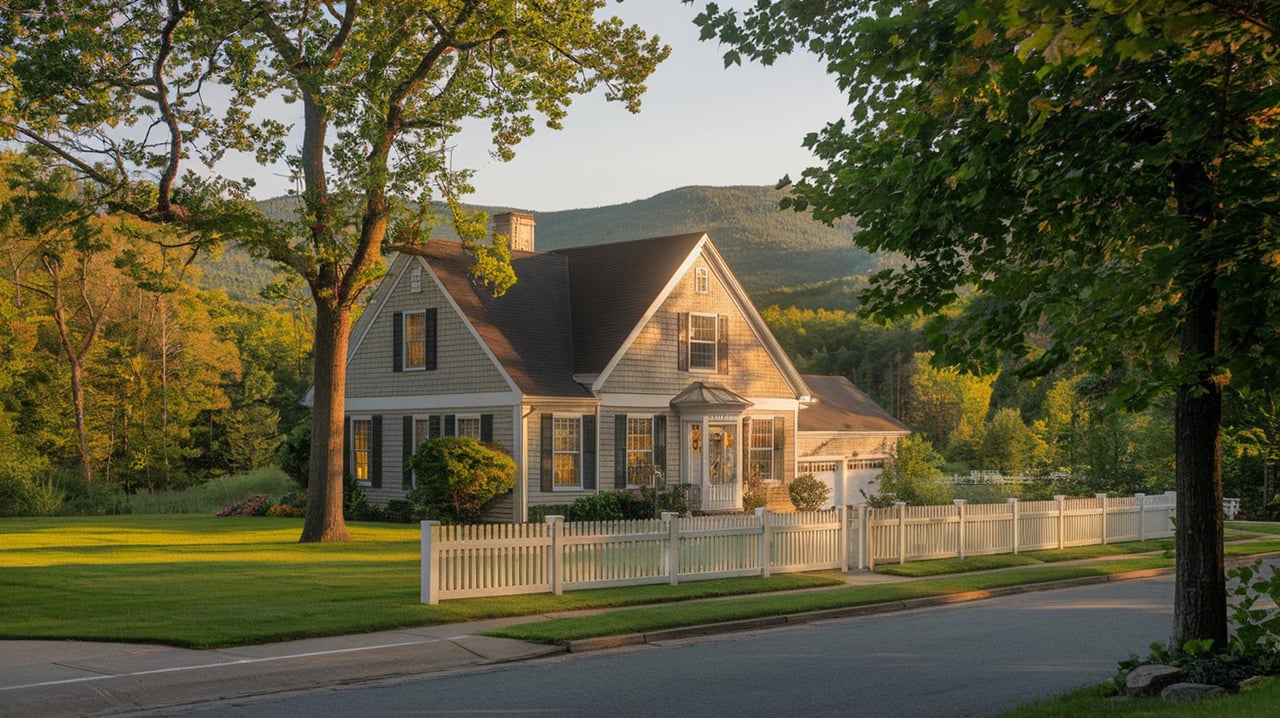
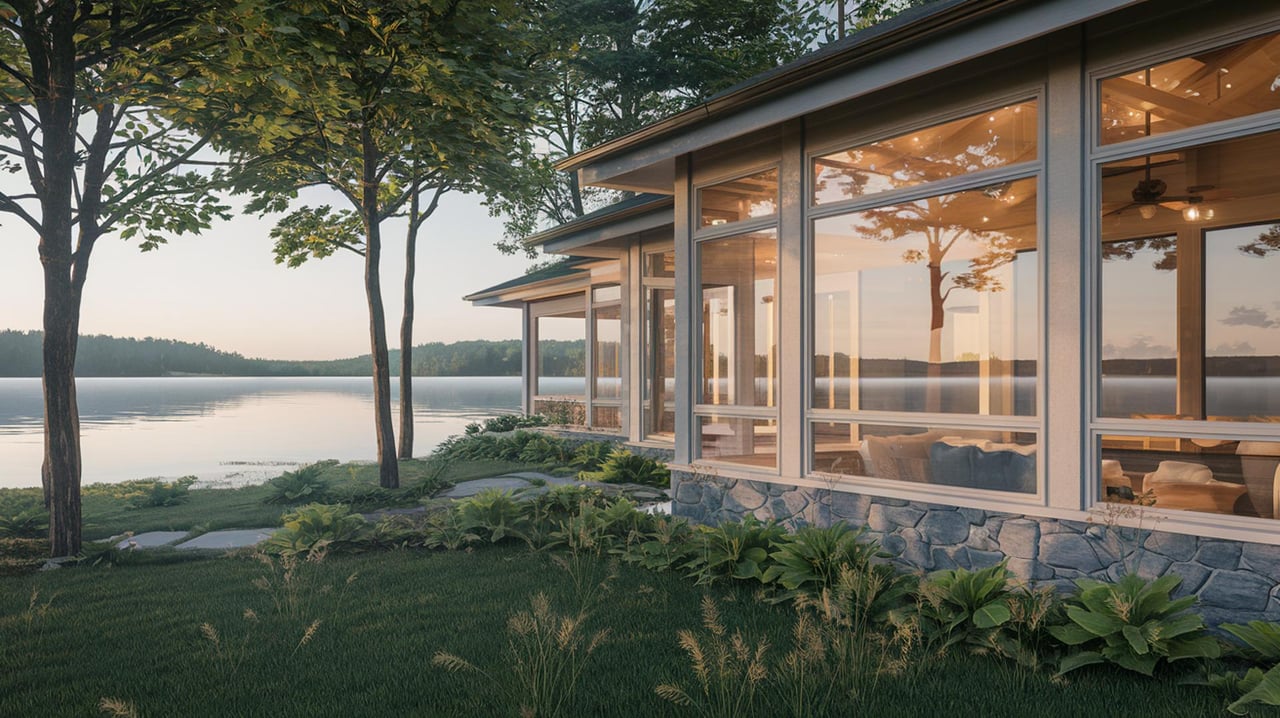
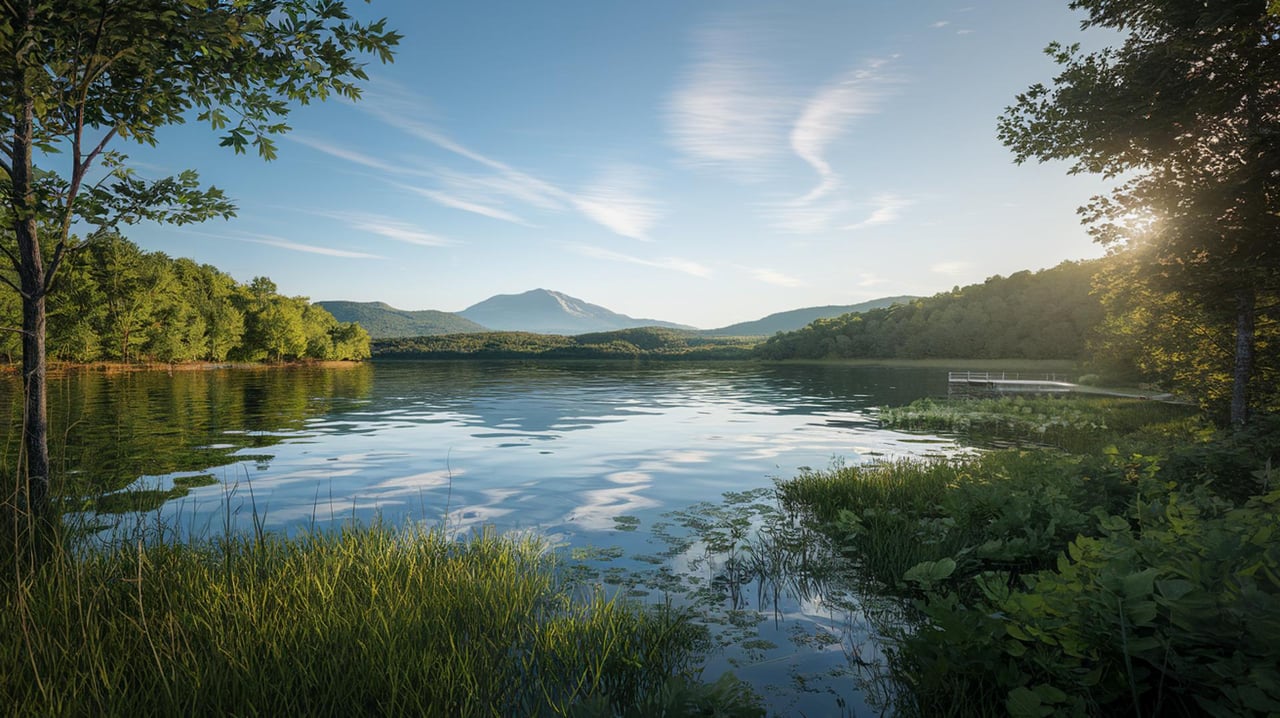
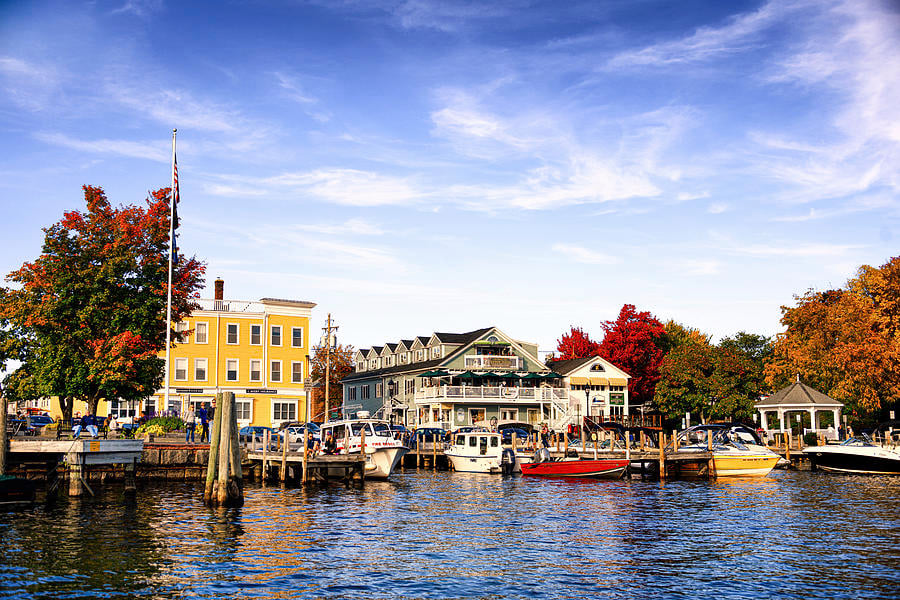
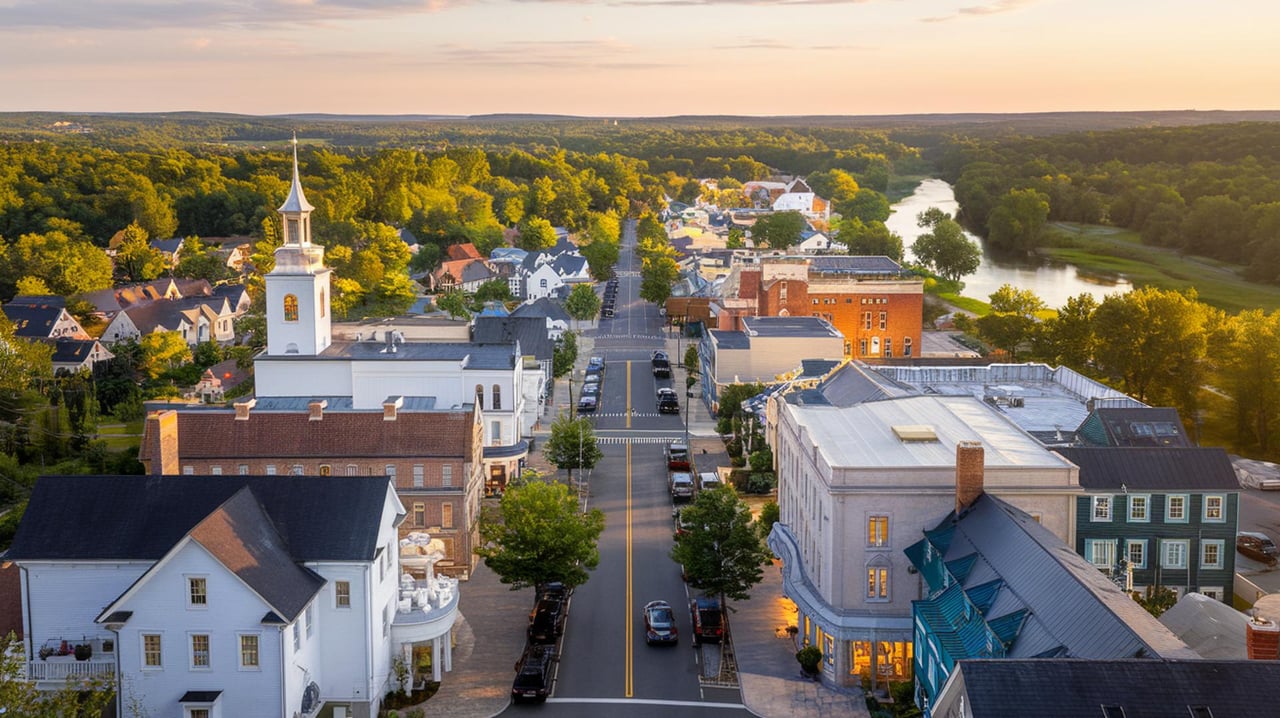
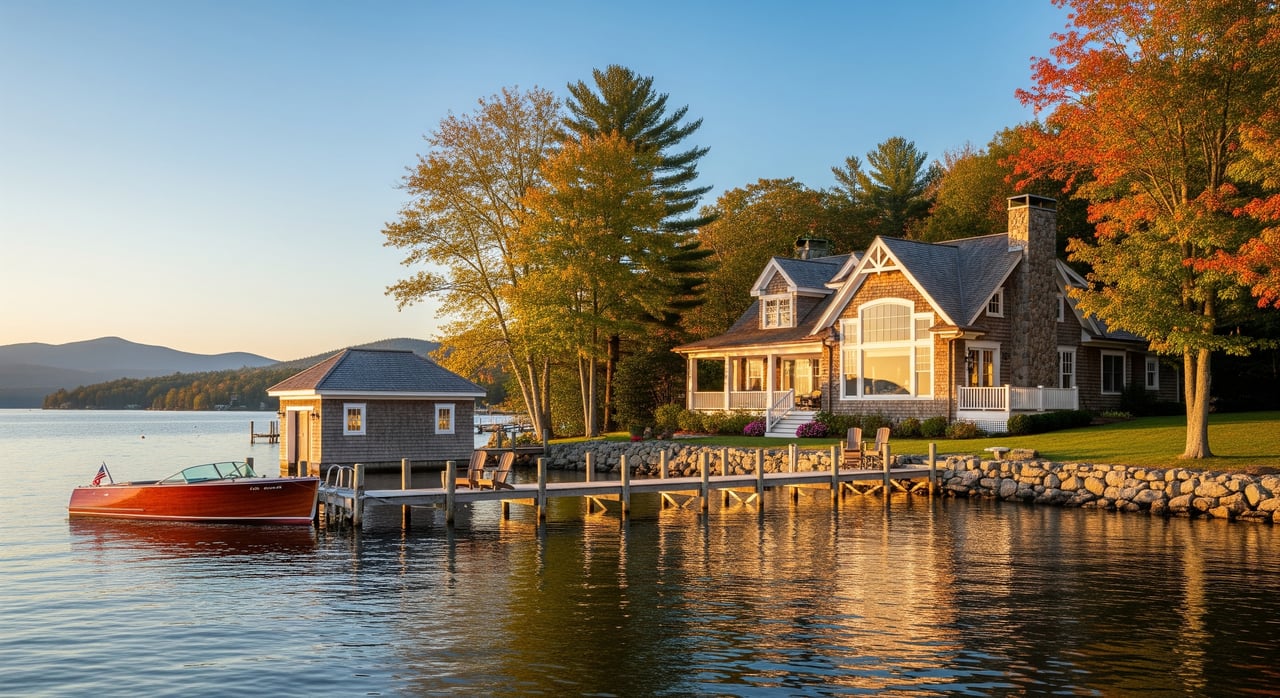
Wolfeboro sits on Lake Winnipesaukee in New Hampshire’s Lakes Region, a classic summer destination with year‑round appeal. You get strong family travel in summer, leaf‑peepers in fall, and winter guests who value access to snow sports and cozy lake retreats. The town’s housing stock includes lakefront homes, cottages, and near‑lake properties that appeal to both owners and visitors.
Proximity to Boston and other Northeast metros supports weekend trips and repeat guests. Local marinas, historic sites, and seasonal events round out the draw, helping you fill a calendar beyond July and August.
Who books and when
Peak summer patterns
Summer typically drives the highest demand and longest stays. Families and multigenerational groups often book week‑long visits aligned with school breaks and boating season. Homes with docks, multiple bedrooms, and outdoor living areas tend to capture premium rates.
Shoulder and winter seasons
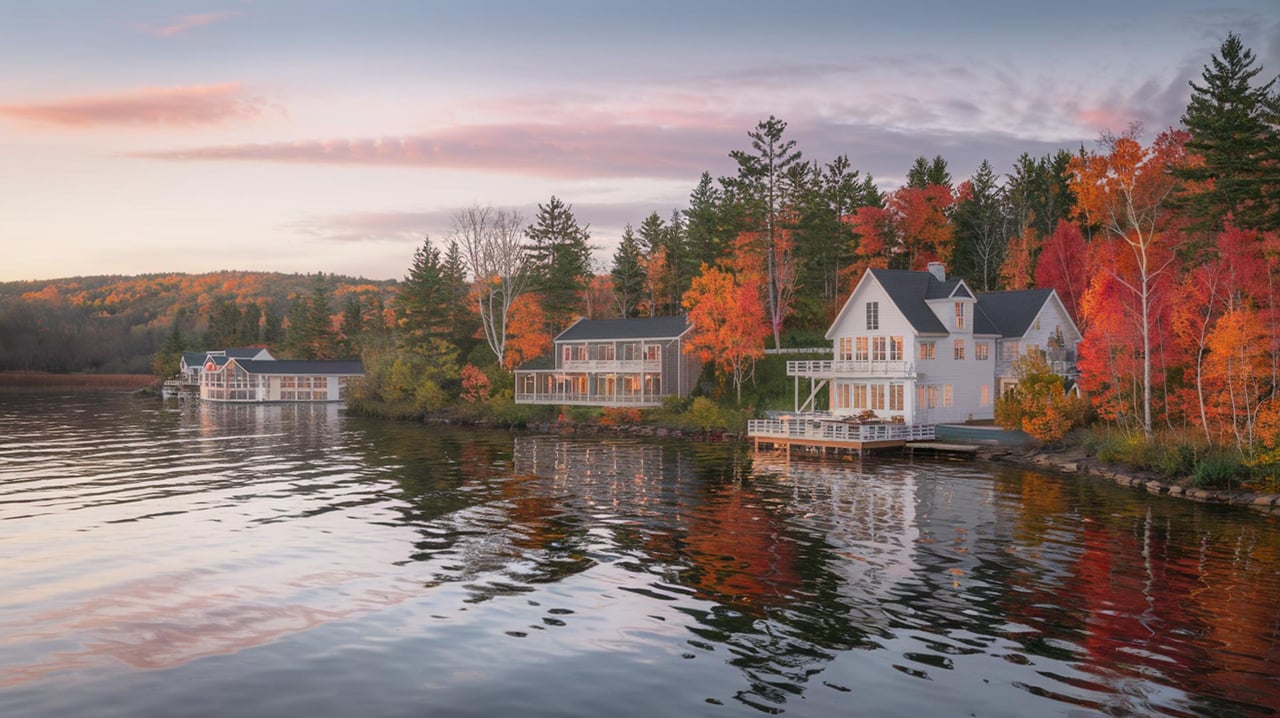
Spring and fall can be steady for lake‑view escapes and foliage trips. Winter performance hinges on your proximity to snow activities and how well the home is set up for cold‑weather stays. Hot tubs, fireplaces, and reliable winter access can help.
Guest segments
Expect families, boating groups, couples’ getaways, and weekenders from urban areas. If you allow small events or retreats, align with local rules, occupancy limits, and parking requirements.
Property types and revenue drivers
Lakefront vs. near‑lake
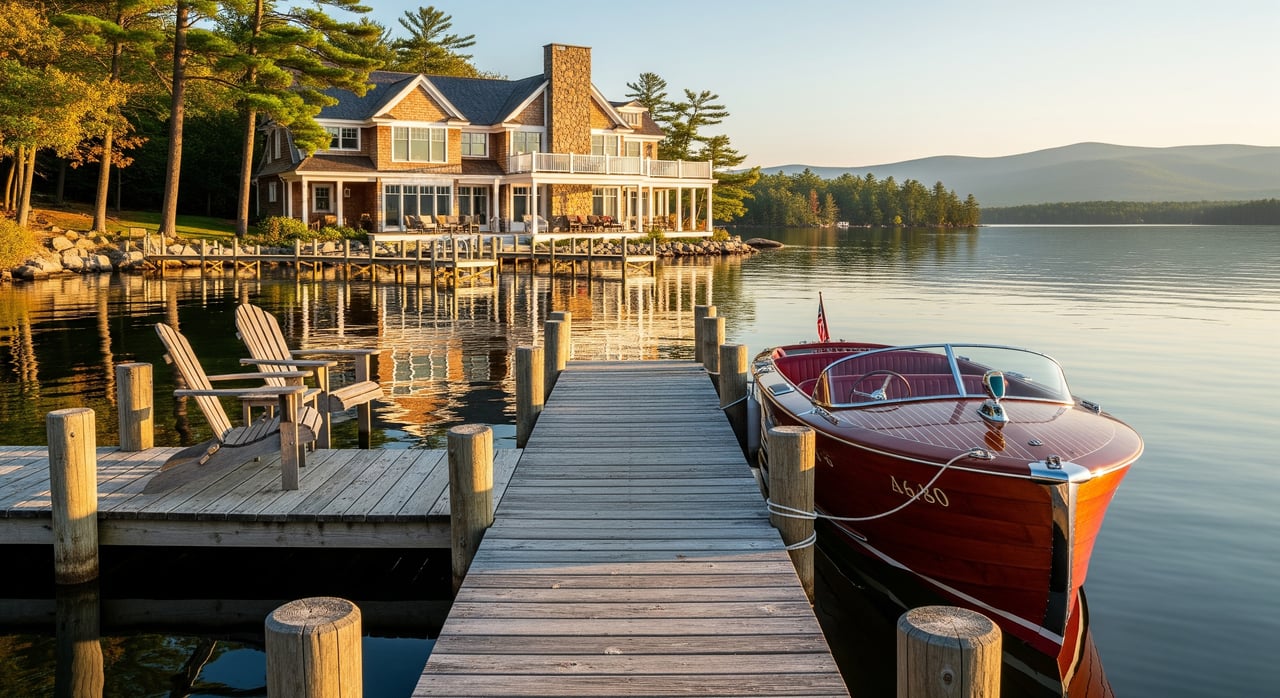
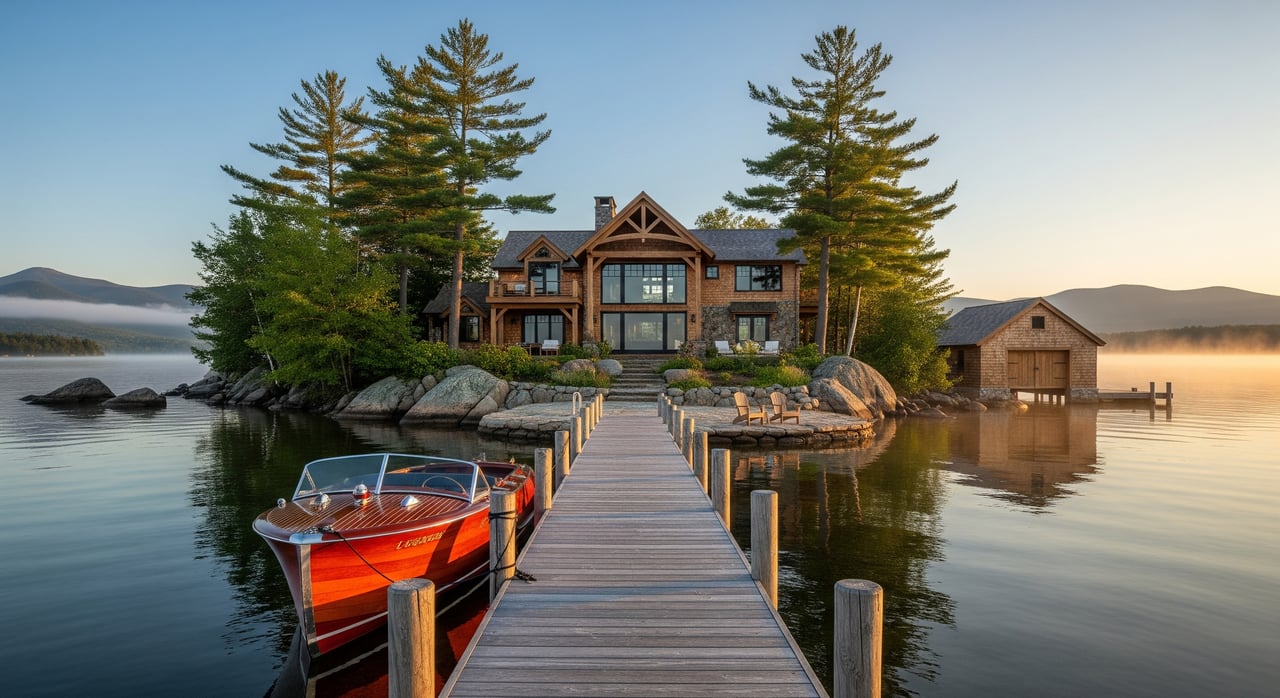
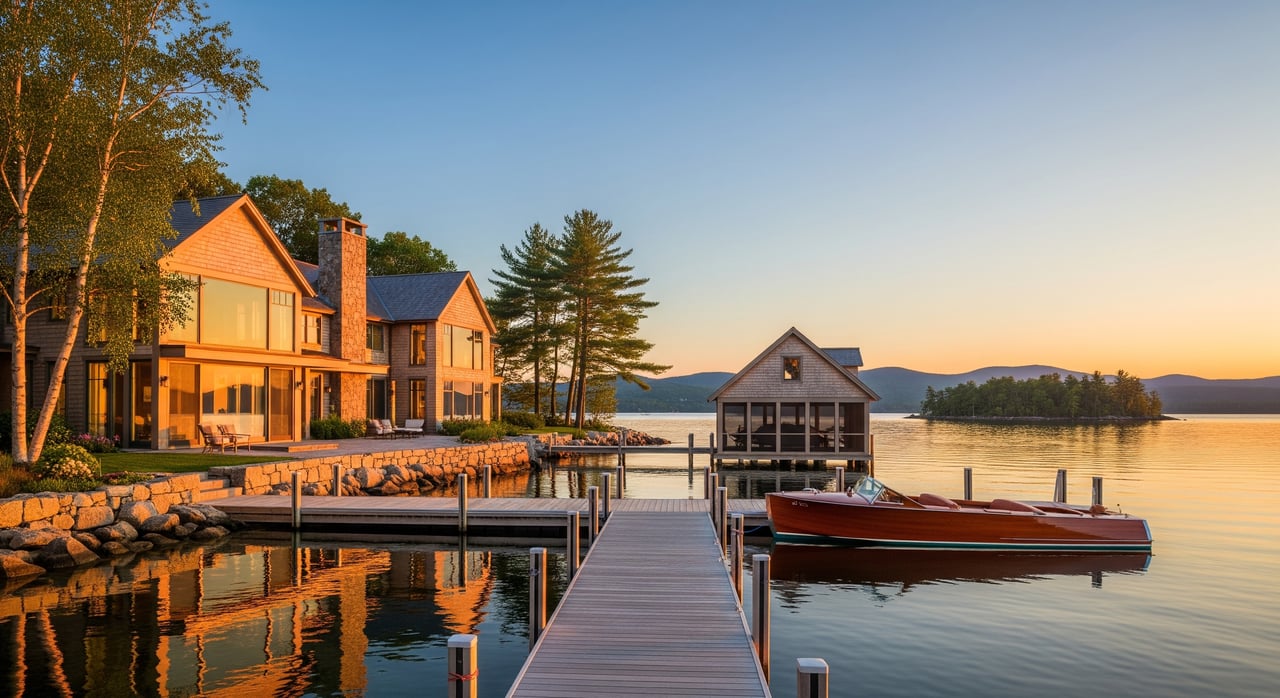
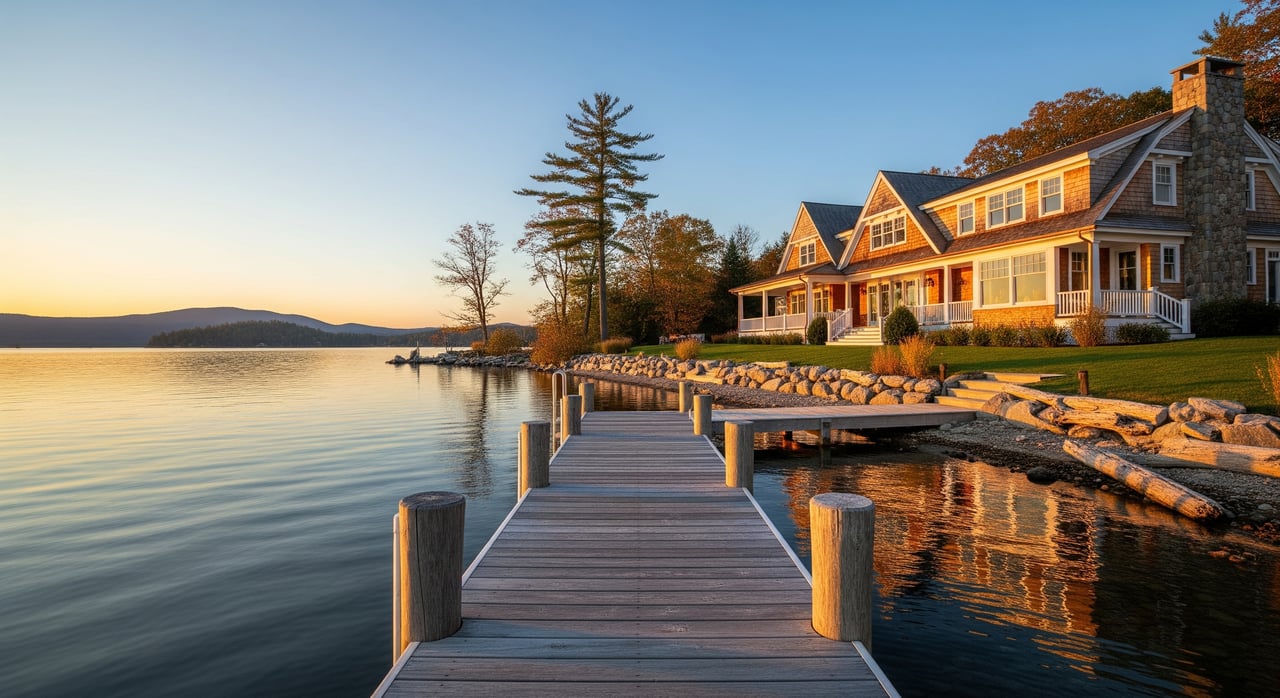
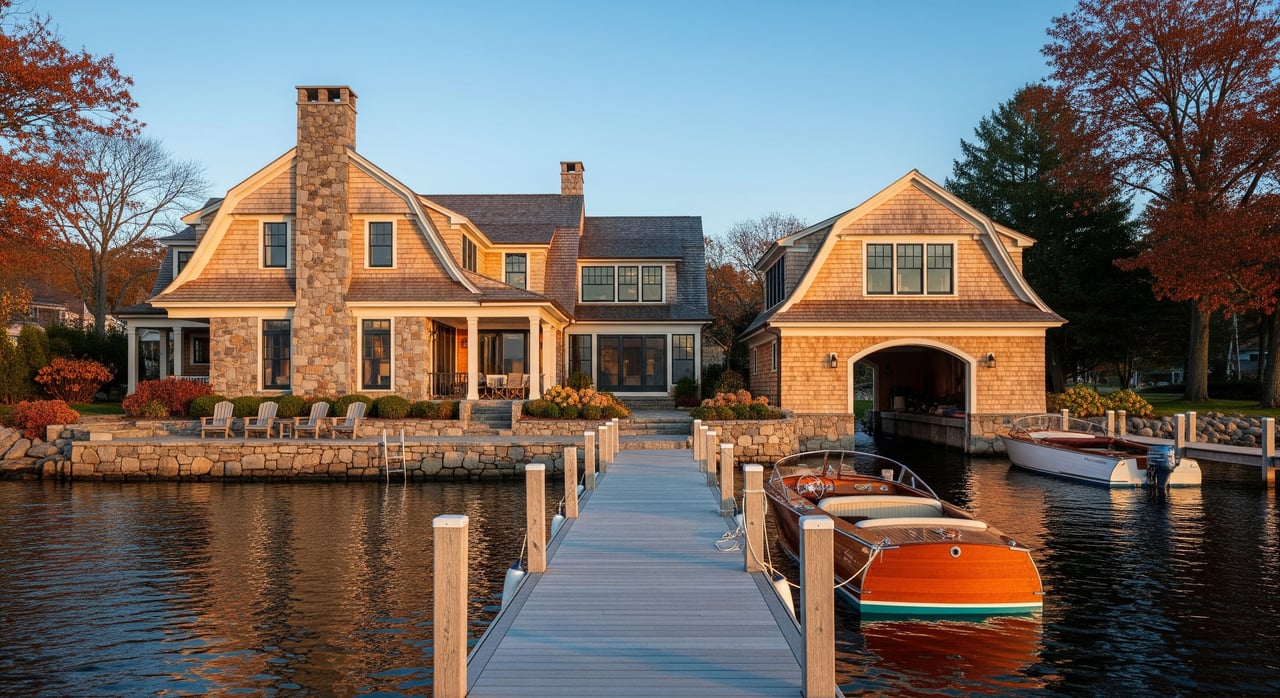
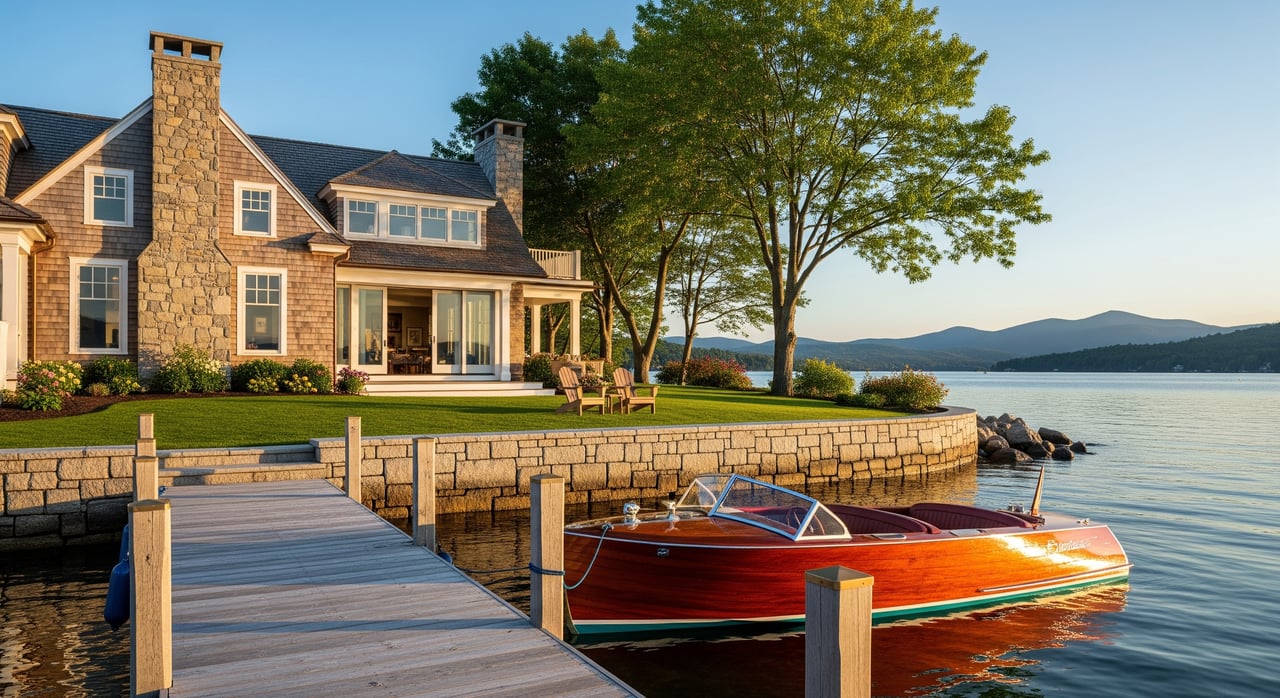
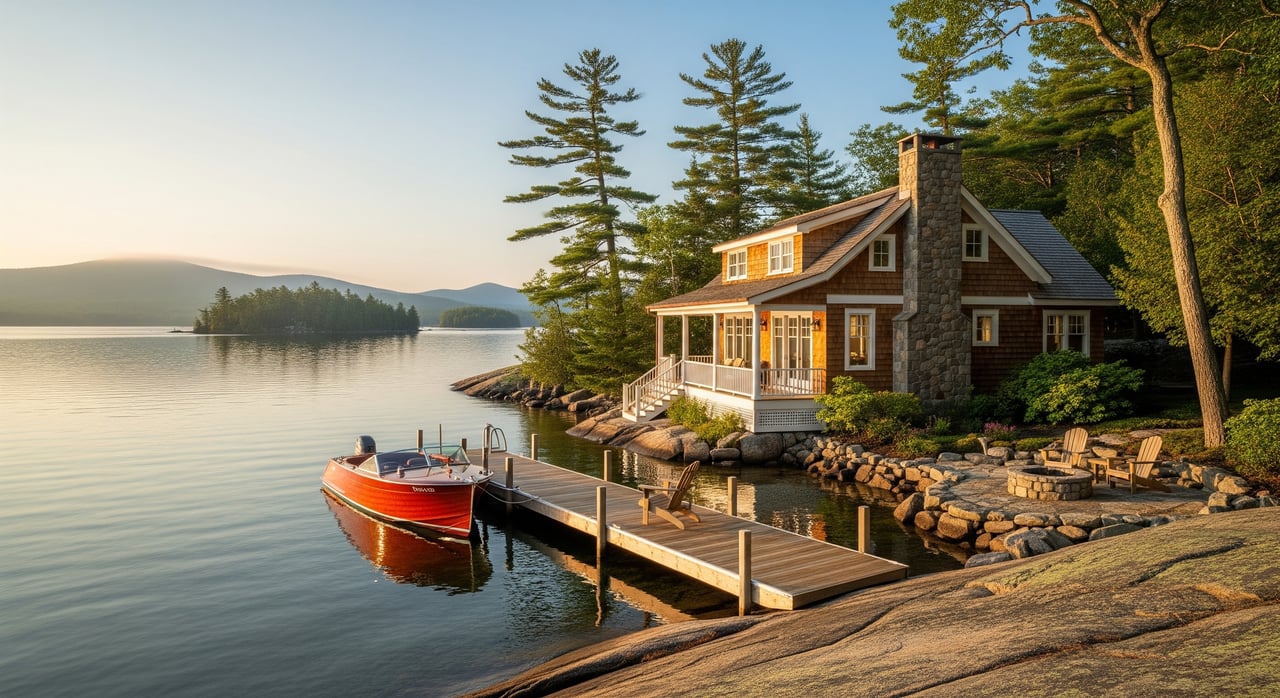
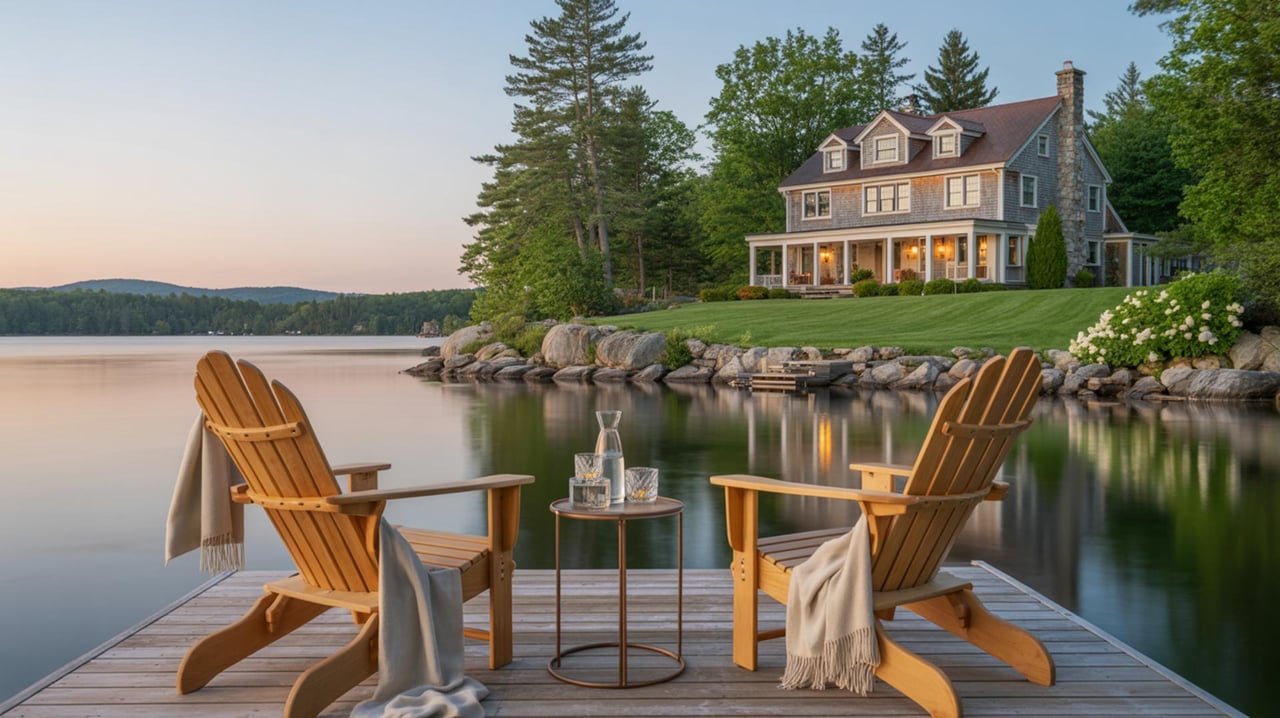
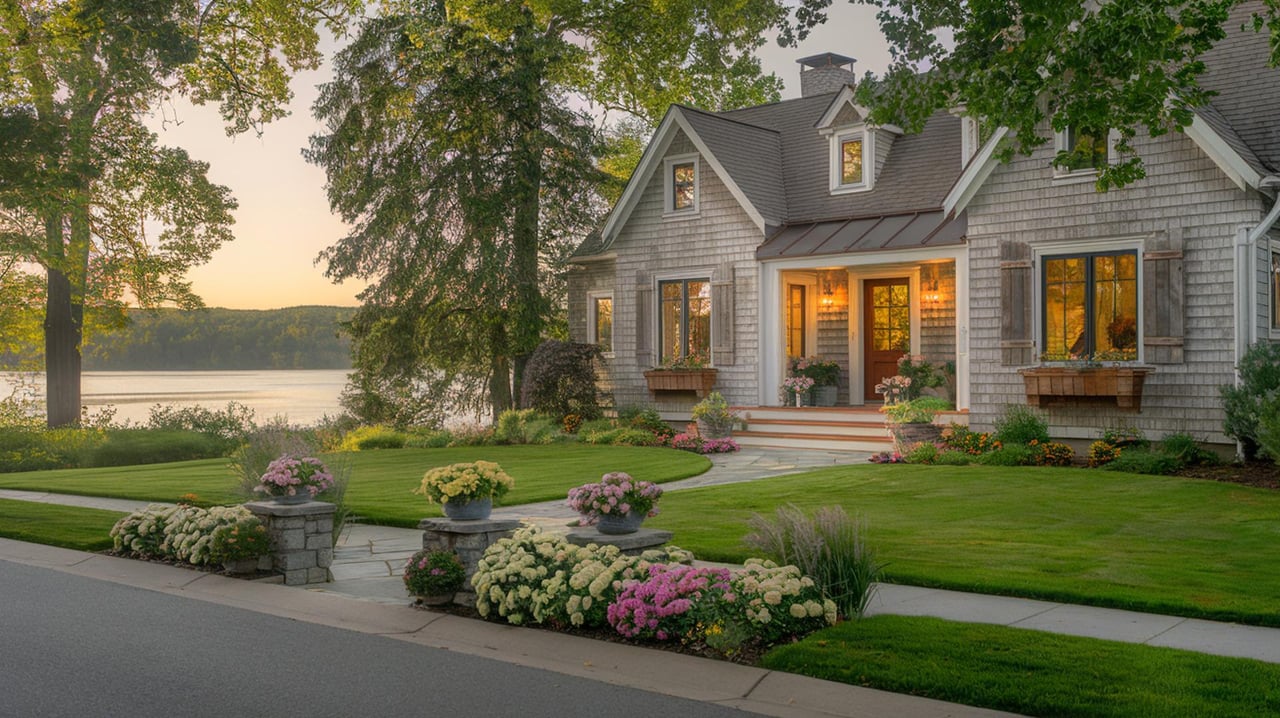
Lakefront properties generally command a premium. That premium reflects direct water access, views, and amenities like docks or boat slips. Near‑lake homes can still perform well if they offer strong views, beach access, or compelling design and outdoor areas.
Amenities that add value
- Private dock or boat slip
- Multiple bedrooms and baths for groups
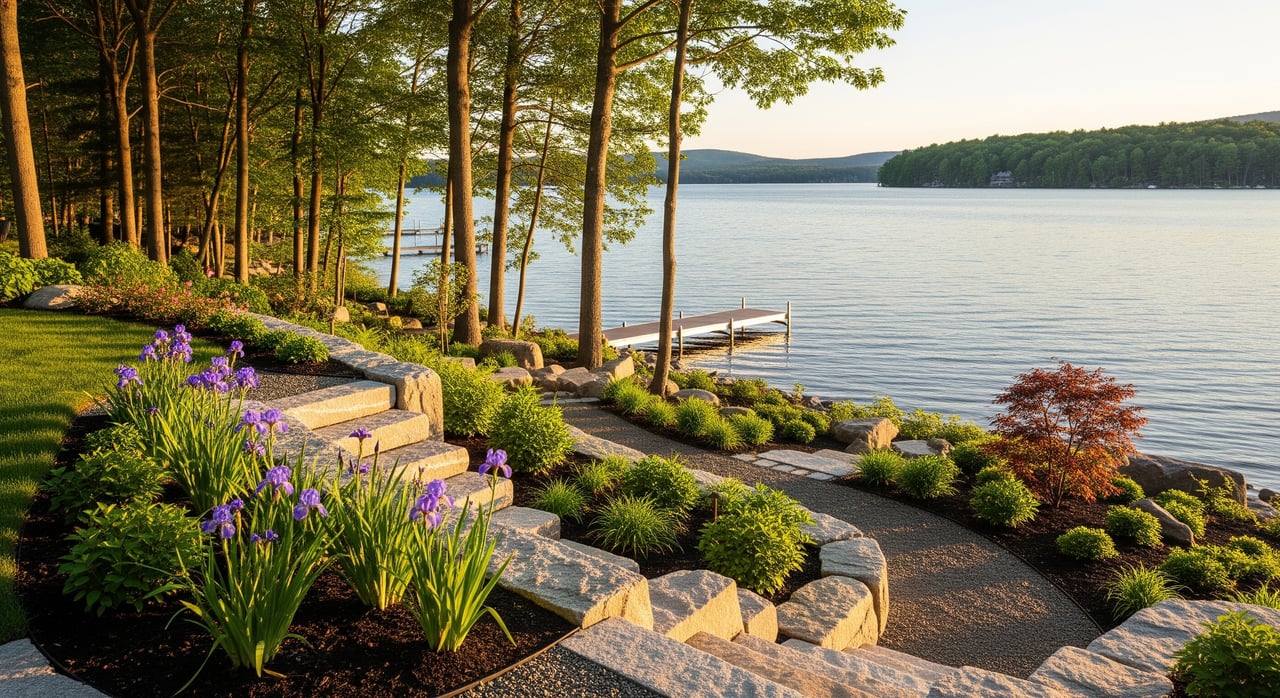
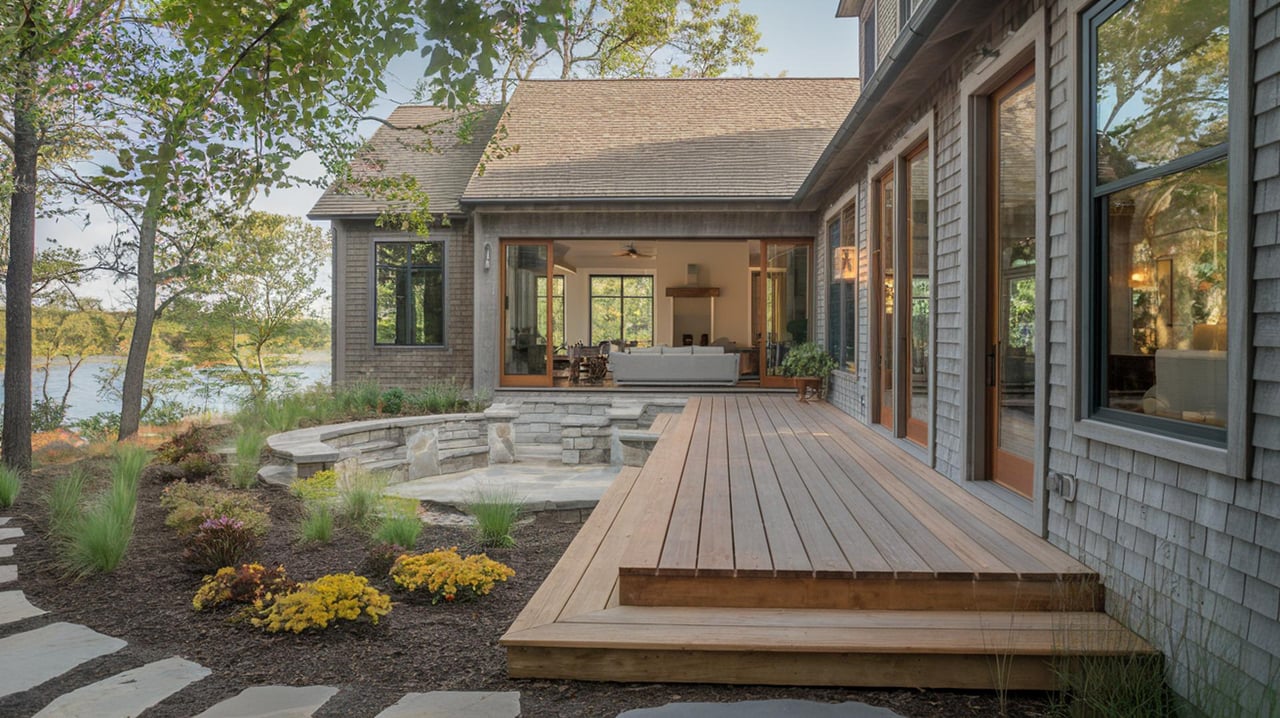
- Outdoor dining, decks, and fire pits
- Hot tub and gear storage
- Fast internet and dedicated work area
Focus on features that support families and groups. Clear parking, well‑equipped kitchens, and easy self‑check‑in improve guest experience and reviews.
Setting up comps and pricing
Identify 4–8 comparable rentals with similar bedroom count, water access, and amenities. Pull Average Daily Rate (ADR) and occupancy patterns across seasons. Cross‑check multiple sources for accuracy and include local MLS sale prices for acquisition assumptions. A strong comp set should show monthly swings so you can model summer peaks and off‑season dips.
Underwriting the numbers
Build a 12‑month model
Map monthly ADR and occupancy for a full year. Separate peak summer months from shoulder and winter. Create base, optimistic, and conservative cases to understand how returns shift when demand softens or rates compress.
Core metrics to track
- ADR = total rental revenue ÷ booked nights
- Occupancy rate = booked nights ÷ available nights
- RevPAR = ADR × occupancy rate
- Gross rental yield = annual gross income ÷ purchase price
- Capitalization rate = Net Operating Income ÷ purchase price
- Cash‑on‑cash return = annual cash flow after debt ÷ cash invested
Keep personal use days in mind because they affect revenue and taxes.
Expenses to budget
- Fixed: property taxes, insurance, HOA fees, utilities, internet/TV, licensing and accounting
- Variable: cleaning, linens, supplies, landscaping, snow removal, repairs, trash service, and property management fees
- Platforms: listing fees and payment processing
- Capital reserves: roof, dock, septic, appliances, and seasonal systems such as winterizing
Stress testing
Run downside scenarios with lower occupancy and ADR, plus higher expenses for maintenance or insurance. Include potential regulatory limits on guest counts or parking that could affect bookings.
Rules, taxes, and compliance
Regulations can change and vary by town. Confirm current requirements with Wolfeboro officials before you buy or list.
Wolfeboro town checks
- Registration or permits for short‑term rentals
- Zoning limits by district and any lot‑size rules
- Parking and occupancy limits, quiet hours, and noise rules
- Septic capacity and wastewater regulations tied to bedroom count
- Any local lodging or occupancy taxes beyond state requirements
State taxes and registration
New Hampshire may require STR operators to collect and remit applicable rooms or lodging taxes. Verify procedures and filing schedules with the state’s revenue agency.
Health and safety
Many lake homes rely on private wells and septic systems. Septic capacity can set your maximum occupancy, so confirm the system’s rating and health records. Review local fire and building codes for smoke and carbon monoxide detectors, egress, fire extinguishers, and emergency information.
Shoreline and flood
Lakefront properties may lie in FEMA flood zones or be subject to shoreland protection setbacks. Check flood maps and local shoreland rules when evaluating docks, additions, or site work.
Financing and ownership
Loan options
Lenders often treat STRs as non‑owner‑occupied investments, which may require larger down payments and carry higher rates than primary homes. Some lenders prefer portfolio or investment products for properties primarily used as short‑term rentals.
Using rental income
Ask prospective lenders whether they will consider STR income and what documentation they require. Prior booking history, tax returns, or third‑party market reports can help underwriting.
Entity, insurance, and liability
Decide whether you will hold title personally or in an entity. Standard homeowners policies may not cover STR activity, so price dedicated short‑term rental or commercial dwelling coverage. Consider umbrella liability coverage as part of your risk plan.
Operations that fit your lifestyle
Management models
- Self‑managed: lower fees and more hands‑on
- Professional manager: better for absentee owners, with a percentage fee and service charges
- Hybrid: you handle bookings and guest communication while a local pro handles cleaning and maintenance
Marketing and pricing
Distribute across major booking platforms and consider a direct booking option if appropriate. Keep rate parity, respond quickly to inquiries, and refresh photos and listings seasonally to reflect amenities that matter in each period.
Neighbor relations
Protect goodwill with clear house rules, defined parking, quiet hours, waste plans, and a local contact. Good systems reduce complaints and protect your investment.
On‑site due diligence
- Title and deed: easements, riparian rights, dock rights, and shoreline restrictions
- Septic: capacity, age, service records, and upgrade needs tied to intended occupancy
- Well water: quality tests and pump condition
- Structure and systems: roof, foundation, HVAC, electrical, and plumbing
- Dock and shoreline: permits, condition, and seasonal rules
- Insurance: obtain an STR‑specific quote in advance
- Utilities and winterization: confirm year‑round functionality and access
- Parking: capacity that aligns with local rules and guest needs
Your next steps
- Pull current STR performance data for Wolfeboro and nearby lake towns to benchmark ADR, occupancy, and seasonality.
- Review recent solds and active listings to understand acquisition pricing and features that command premiums.
- Contact Wolfeboro’s planning, zoning, and health offices to confirm current STR rules, septic standards, and any pending changes.
- Check flood maps and shoreland protections for any lakefront or near‑shore property you’re considering.
- Request insurance quotes and speak with at least one local property manager for a sample pro forma and fee schedule.
- Meet with a CPA and a local lender familiar with STR financing to map tax obligations and loan options.
- Tour multiple comparable rentals in different seasons to observe pricing, guest experience, and amenity gaps.
If you want a grounded read on which Wolfeboro homes rent best and how to align amenities, pricing, and rules, let’s talk. As a Lakes Region specialist with deep local ties, I can help you identify the right property, connect you with town offices and vendors, and build a purchase plan that fits your goals. Reach out to Janet Sienko to get started.
FAQs
Are short‑term rentals allowed in Wolfeboro, NH?
- Local rules can change. Confirm with Wolfeboro’s planning and zoning offices whether registration, permits, or district‑specific limits apply before you buy or list.
What taxes apply to a Wolfeboro vacation rental?
- New Hampshire may require collection and remittance of rooms or lodging taxes for short stays. Verify current requirements and filing schedules with the state’s revenue agency.
How do I estimate Wolfeboro rental income?
- Build a 12‑month model using ADR and occupancy by season, based on 4–8 comparable rentals with similar size, location, and amenities.
Which amenities boost nightly rates most on Lake Winnipesaukee?
- Private docks or slips, multiple bedrooms and baths, hot tubs, outdoor living areas, strong Wi‑Fi, and well‑equipped kitchens typically command premiums.
What expenses do new hosts often miss?
- Linen replacement, deep cleans, snow removal, seasonal maintenance, platform fees, STR‑specific insurance, and capital reserves for systems like docks or septic.
Can I finance an STR like a primary home?
- Many lenders treat STRs as investment properties requiring larger down payments and higher rates. Ask lenders about using STR income and required documentation.
How does septic capacity affect my rental?
- Septic systems often set maximum occupancy and bedroom counts. Verify capacity, inspection history, and any upgrade needs before setting guest limits.