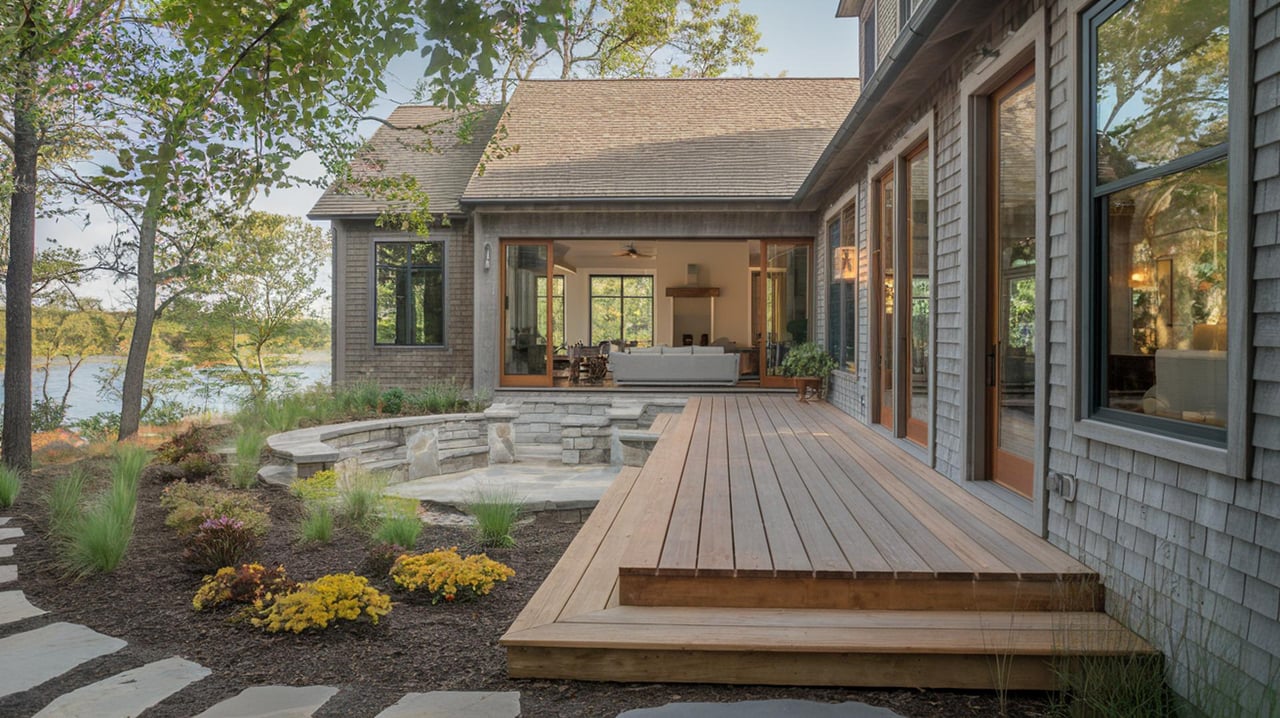
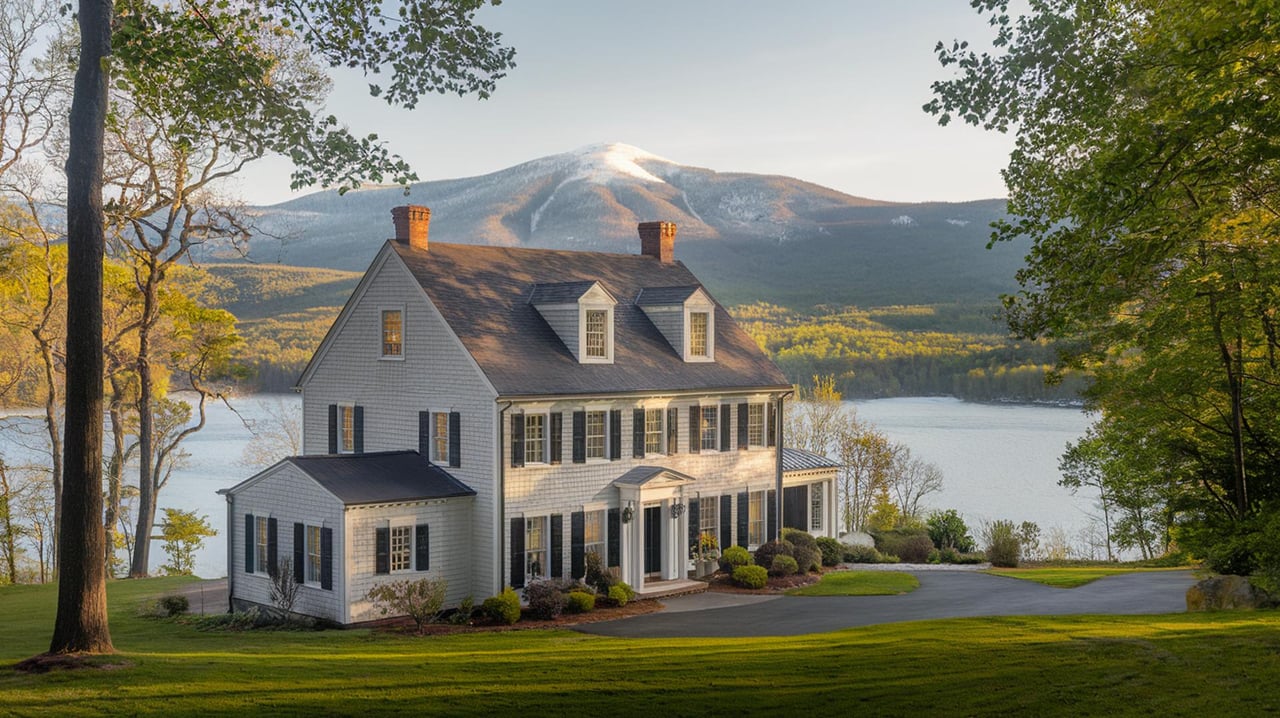
Is there a “right” month to sell in Gilford? In a resort market shaped by Lake Winnipesaukee and Gunstock, timing does more than set your calendar. It shapes your buyer pool, your showing activity, and the story your photos tell. If you want a smooth sale and strong price, you need a timeline and strategy that match how buyers actually shop here.
In this guide, you’ll learn when buyer demand peaks, how each season works for different property types, and a step‑by‑step prep plan tailored to Gilford. You’ll also see what to verify for docks, septic, and rentals so you avoid delays. Let’s dive in.
How seasonality shapes Gilford sales
Gilford lives on a seasonal rhythm. Summer on Lake Winnipesaukee and winter at Gunstock both pull visitors and second‑home buyers to town. Understanding this rhythm helps you choose a listing window that aligns with your ideal buyer.
Late spring to early summer: prime window
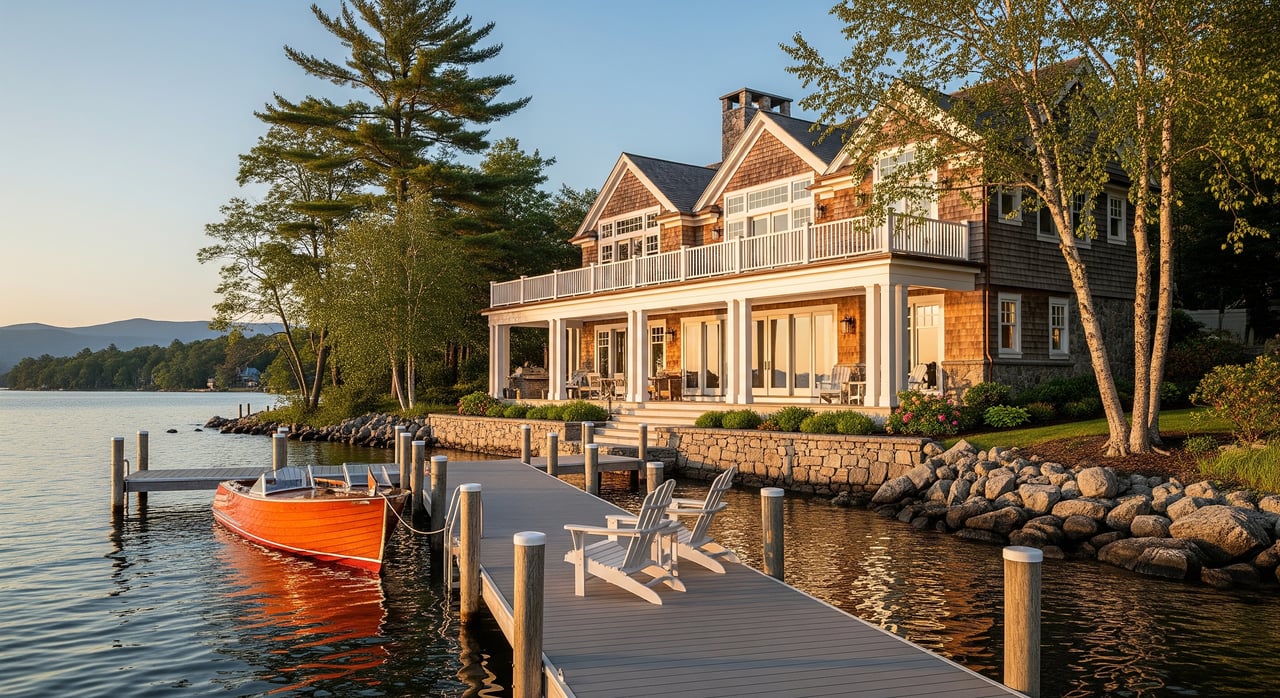
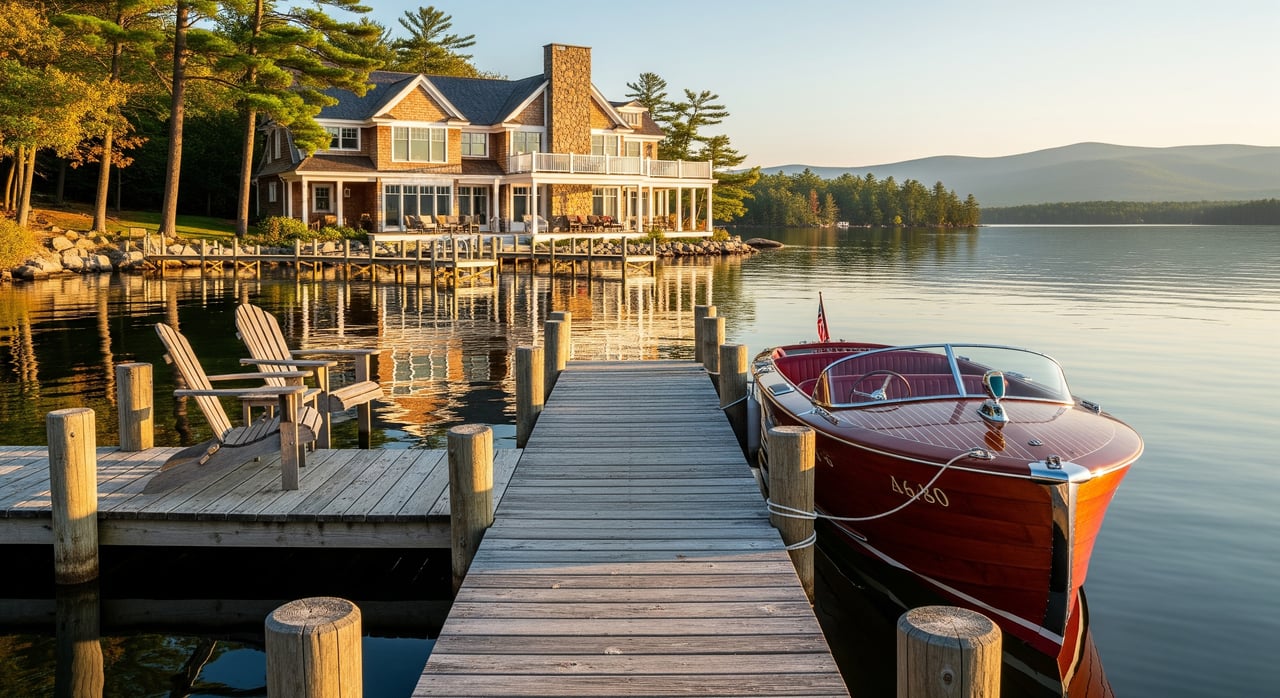
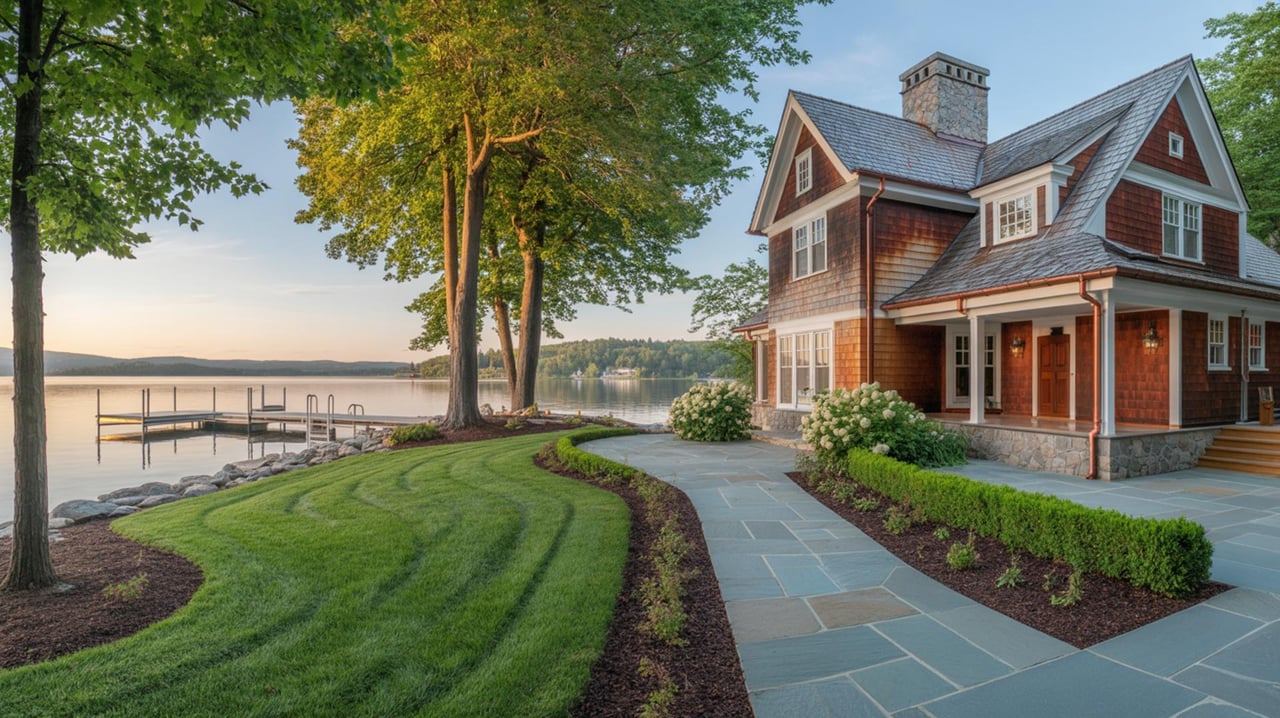
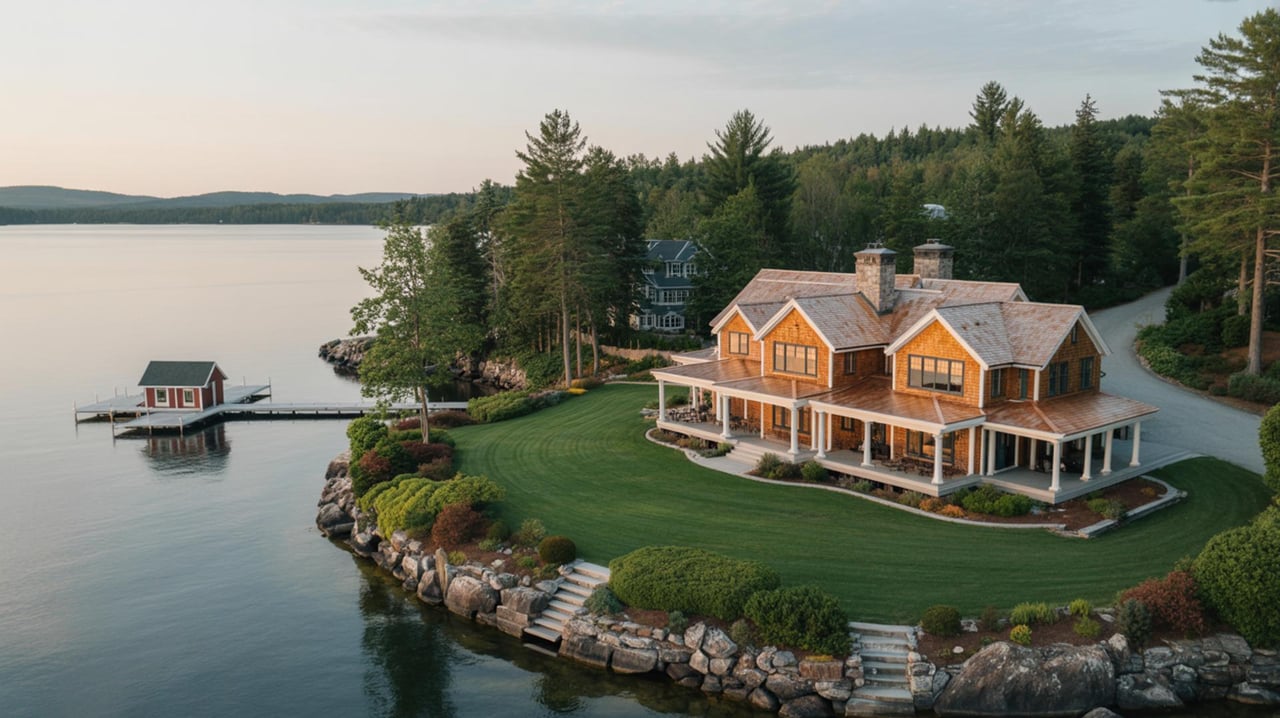
From May through July, lake‑focused buyers are active and motivated. They want to tour with the docks in, enjoy easy access to the water, and close in time for summer use. Your exterior photography looks its best, and weekend showings are full of out‑of‑state visitors planning their vacations.
This period can bring more competition because many sellers list at the same time. Strong staging, clear pricing, and polished marketing are key to stand out.
Early fall interest for year‑round and ski buyers
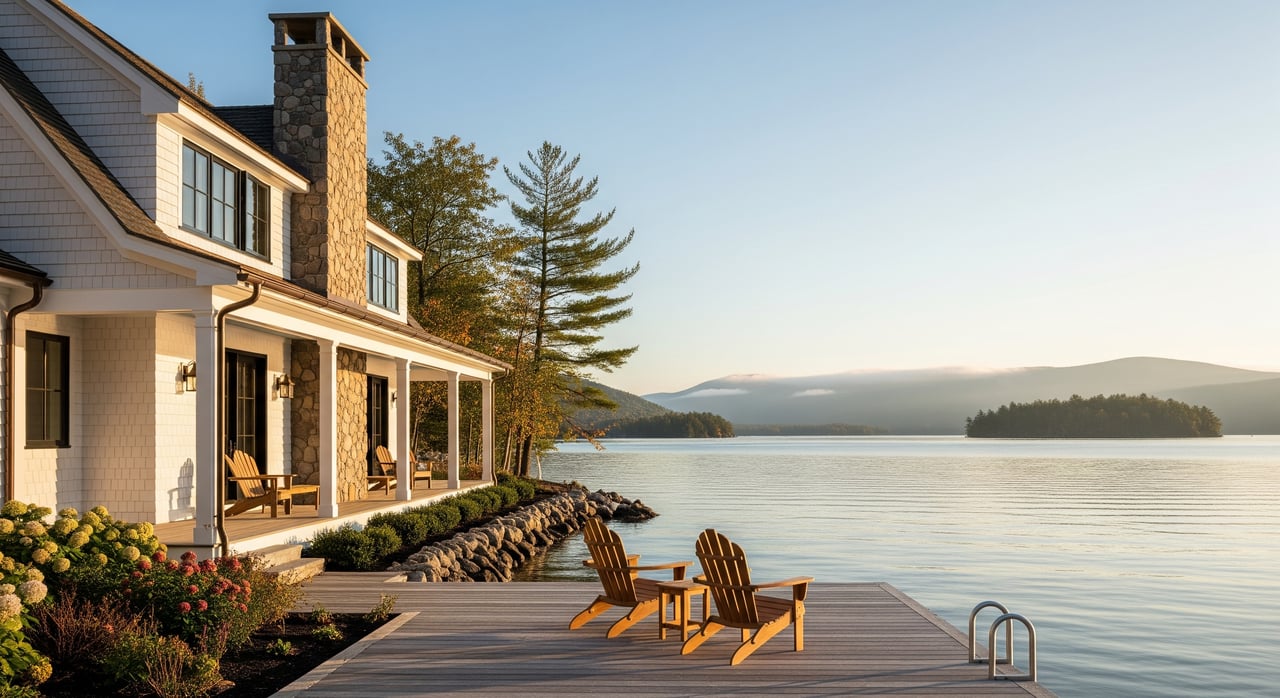
September and October can be a sweet spot for buyers who want year‑round use. Foliage boosts curb appeal, and some shoppers aim to secure a home before winter activities begin. Investors also use this time to prep for winter short‑term rentals.
Winter and off‑season: fewer buyers, less competition
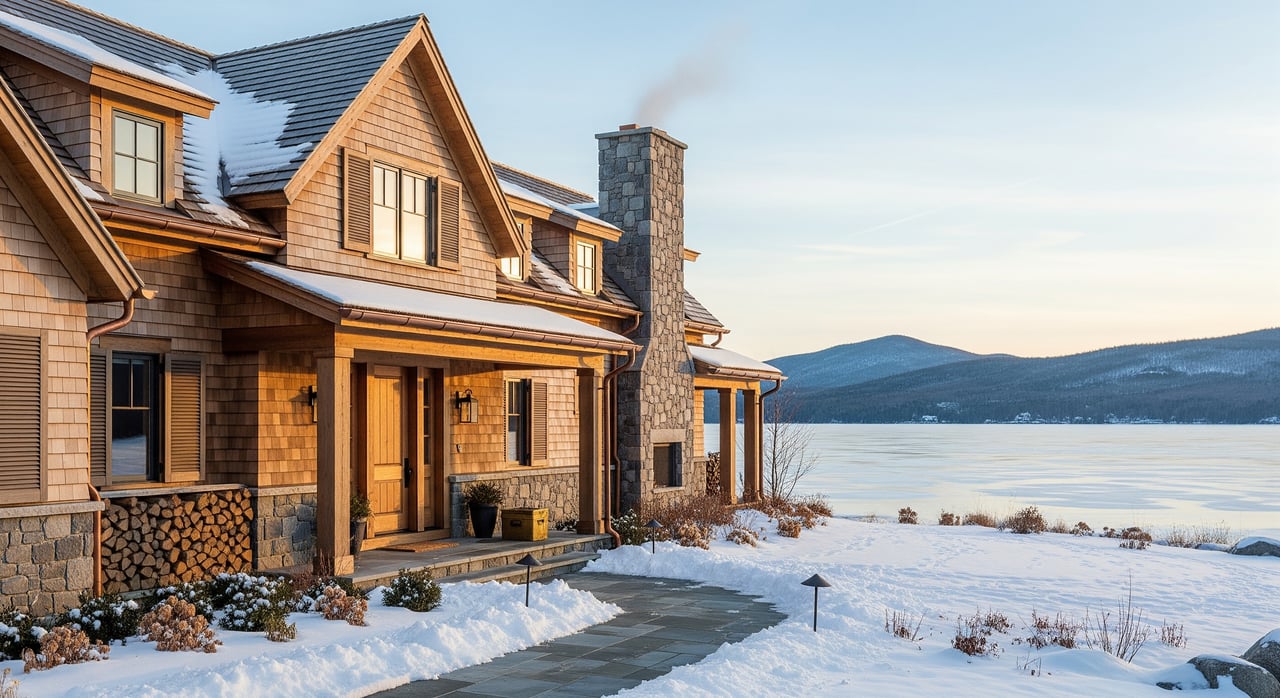
Late fall through winter typically has fewer active buyers and fewer listings. If your property is near Gunstock or set up for winter fun, you may still see engaged interest. Off‑season can work if you value less competition and are comfortable with a longer marketing period.
Unique properties sell year‑round
Rare waterfront parcels, turnkey lake homes, or distinctive ski properties can perform well in any season. With the right presentation and outreach, the best‑fit buyer will show up.
Local drivers that set timing
Gilford’s buyer activity follows two major lifestyle engines and a strong rental calendar.
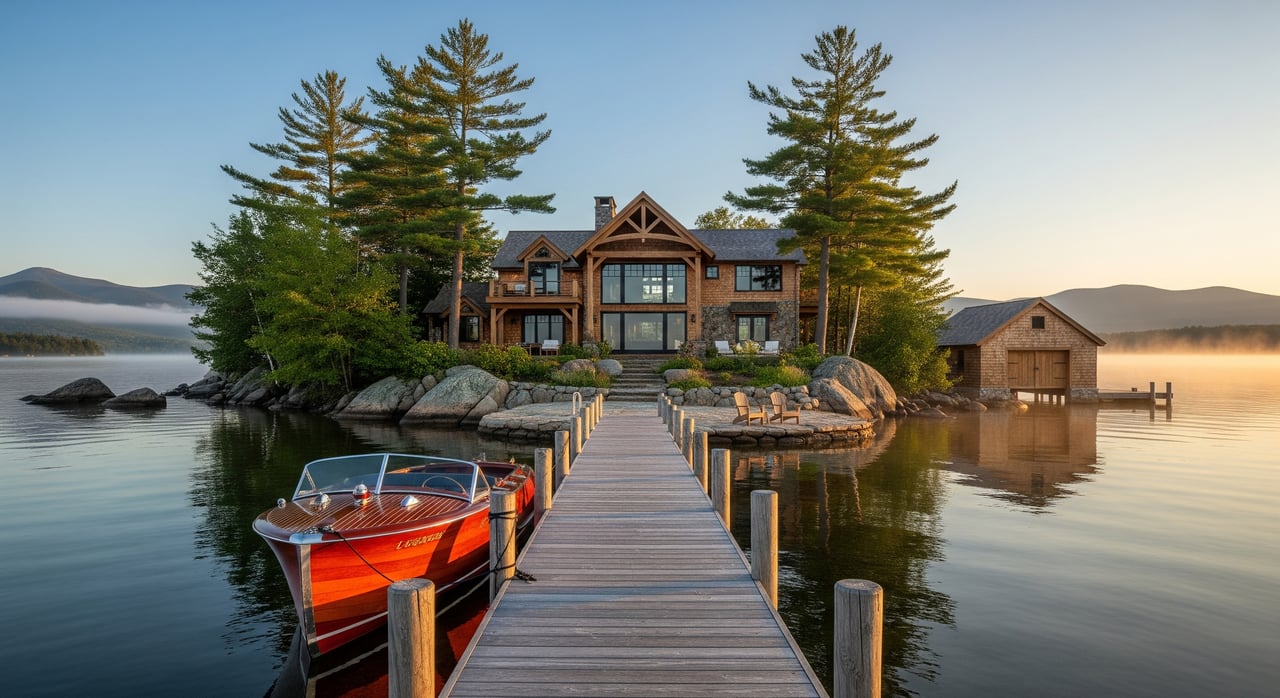
- Lake Winnipesaukee: Waterfront, dock access, and views shape buyer urgency. Summer‑ready listings attract the largest pool of lake shoppers.
- Gunstock Mountain Resort: Proximity draws ski and four‑season buyers. Fall and winter listings can catch interest from those planning winter use.
- Short‑term rentals: Rental demand peaks in summer and ski season. Investors often shop ahead of those windows to secure income opportunities.
- Buyer geography: Many shoppers come from within New Hampshire and southern New England. Weekends and school breaks bring touring traffic, especially in late spring and early summer.
Inventory and competition by season
Timing affects both your visibility and your competition.
- Spring to early summer: Buyer traffic is high, but listings surge. Smart pricing and top‑tier visuals are essential.
- Mid to late summer: Serious buyers are still in the market, but some casual shoppers fade. Pricing must reflect current activity and condition.
- Fall: A focused buyer set emerges, including year‑round users and investors. Competition moderates.
- Winter: Inventory thins, and so does foot traffic. Ski‑adjacent homes can still draw steady, targeted interest.
Best month to list: a simple framework
Use your property’s profile to guide your timing.
- Lakefront or summer‑centric homes: Aim for May to July for maximum curb appeal and water access visibility.
- Ski‑proximate or four‑season homes: Consider September to November to capture buyers planning winter use, with continued potential into winter.
- Investor‑friendly or STR‑capable homes: List before peak income seasons, and present accurate rental context. Buyers often plan months ahead.
- Selling now out of necessity: Lean into targeted marketing, strong visuals, and flexible access for out‑of‑area buyers. Off‑season can still deliver a solid result with proactive strategy.
Pricing strategy for resort homes
Pricing is not one‑size‑fits‑all. Season, amenities, and financing options all matter.
- Use seasonally adjusted comps: Compare to sales from the same seasonal period, especially for waterfront homes.
- Weigh resort amenities: Dock rights, water depth/access, proximity to Gunstock, usable outdoor space, and updated systems carry material value.
- Watch financing factors: Second‑home loans and certain condo rules can affect buyer eligibility. Some associations may be non‑warrantable, which narrows financing options and influences price strategy.
- Adjust to market dynamics: In peak season with more competition, pair competitive pricing with standout staging and marketing. Off‑peak, consider slightly more flexible pricing and targeted outreach to remote buyers.
Your step‑by‑step prep timeline
A project‑managed plan keeps you on schedule and reduces stress.
3–6 months before listing
- Engage a local REALTOR experienced in Gilford and the Lakes Region to review comps, timing, and marketing.
- Order inspections as needed, such as septic, roof, or structural, so repairs do not delay closing.
- Confirm dock and shoreline status, deeded water rights, and any boundary or easement questions. Resolve uncertainties early.
- Book contractors for seasonal maintenance, like deck repairs, siding, roof work, and landscaping. Spring calendars fill quickly.
6–8 weeks before listing
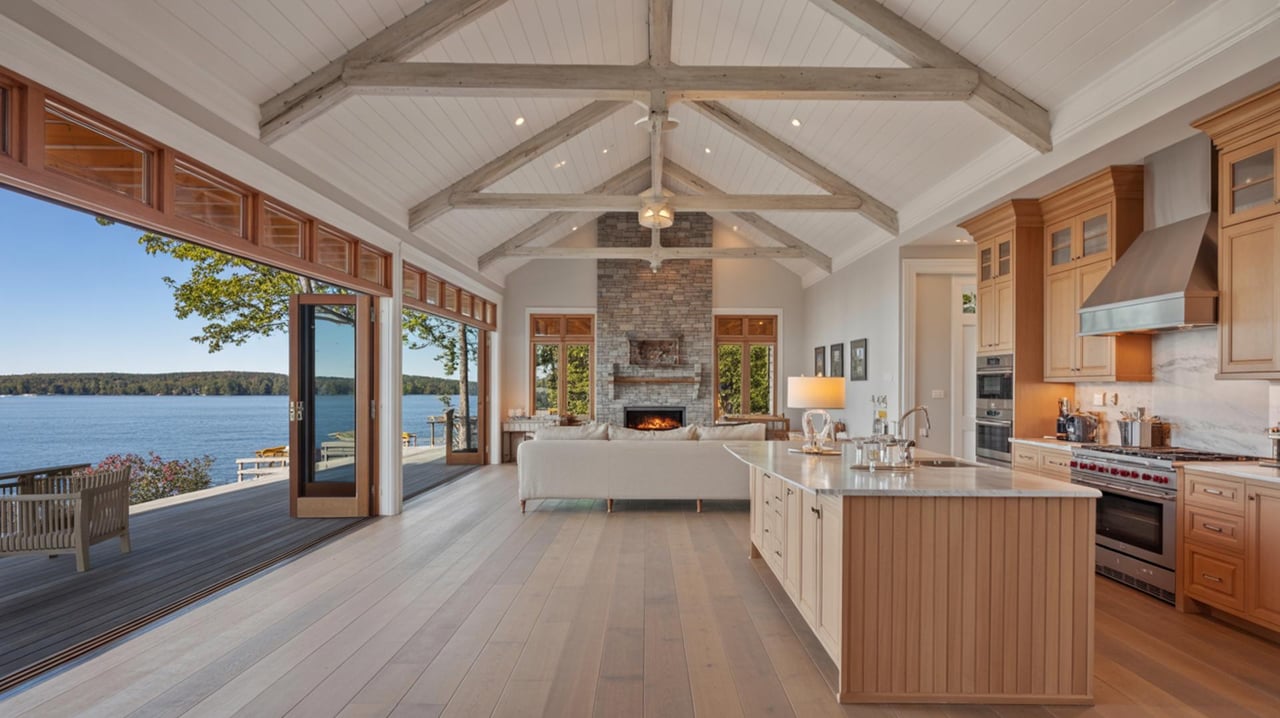
- Complete repairs, deep clean, and stage for both interior and curb appeal. For resort homes, exterior spaces matter.
- Schedule professional photography, including aerial or drone shots when appropriate and compliant with regulations.
- Prepare floor plans and a detailed property factsheet. Highlight seasonal amenities such as dock slips, ski proximity, and association rental policies.
2–4 weeks before listing
- Price with seasonality in mind. Recent comps from the same time of year are most useful.
- Launch marketing through MLS, digital channels, and targeted outreach to feeder markets. Offer virtual tours for remote buyers.
- Set open house times for weekends and key travel periods. Ensure easy showing access during high‑demand windows.
Showing considerations once live
- Keep the home show‑ready on weekends during peak interest periods.
- If the property is a second home, coordinate access around your schedule, or plan short‑term vacancy for photo and showing blocks.
Regulatory and permitting checks
Before you list, verify any requirements that could affect your sale or timeline:
- Town of Gilford ordinances: Confirm local rules for docks and shoreline structures, setbacks, lot coverage, and any short‑term rental registration or permits.
- NHDES guidance: Shoreline, wetlands, and septic rules can impact waterfront sales, permits, or improvements.
- Septic and disclosures: Work with your REALTOR and an attorney to meet state and local disclosure requirements. If your lender or municipality requires septic inspections, get ahead of them.
- Taxes and planning: If you have questions about sale timing, capital gains, or rental income treatment, consult a qualified CPA or attorney.
Selling off‑season: smart strategies
If you list in late fall or winter, you can still succeed with the right plan.
- Lean on high‑quality visuals: Use a mix of sunny‑day photos, winter scenes for ski appeal, and clear captions that speak to seasonal use.
- Market to remote buyers: Offer video walkthroughs, floor plans, and flexible showing times to accommodate distance.
- Emphasize strengths: For lake homes, showcase dock and water access in prior‑season photos. For ski‑proximate homes, highlight access to winter recreation.
- Be patient and prepared: Off‑season buyers can be purposeful. Make access easy and keep communication prompt.
Where to find fresh market data
The best timing decisions use current, local data. Ask your REALTOR for:
- Updated MLS statistics for Gilford and Belknap County, including inventory and days on market.
- New Hampshire Association of REALTORS county‑level trend reports for context.
- Town of Gilford planning, zoning, and clerk guidance for up‑to‑date rules and forms.
- NHDES shoreline, wetlands, and septic resources if you are selling waterfront.
- Gunstock Mountain Resort season dates and local event calendars that drive demand.
Final thoughts
For most lake‑focused homes, late spring to early summer is your strongest window. For ski‑area and four‑season properties, early fall through winter can also perform well. Your best result comes from aligning timing with your buyer profile, using seasonally relevant comps, and executing a clear prep plan.
If you want a calm, organized process with polished marketing, you will benefit from a local guide who understands both lifestyle and logistics. From staging and professional photography to targeted outreach and reliable timelines, you deserve a project‑managed sale that fits the Gilford market.
Ready to map out your timing and price strategy? Connect with Janet Sienko for a personalized plan, modern marketing, and Lakes Region expertise. Request Your Free Home Valuation.
FAQs
When is the best month to list a Lake Winnipesaukee home in Gilford?
- Late spring through early summer often aligns with peak buyer interest for lake properties, thanks to curb appeal, dock access, and summer occupancy plans.
Should I wait until after foliage or ski season to list in Gilford?
- If your home appeals to four‑season or ski buyers, early fall through winter can be effective, while summer‑oriented homes often perform best when listed in May to July.
Does listing in winter hurt my sale price in Gilford?
- Winter brings fewer buyers and fewer competing listings, so results vary; targeted marketing, strong visuals, and patience can still produce a solid outcome.
What do Gilford sellers need to disclose about docks and septic?
- Work with your REALTOR and attorney to meet all disclosure requirements, and verify dock permits and septic status early to avoid delays.
How do short‑term rental rules affect timing in Gilford?
- Rental demand peaks in summer and during ski season, so investors often shop ahead; confirm current municipal and association rules before marketing rental potential.