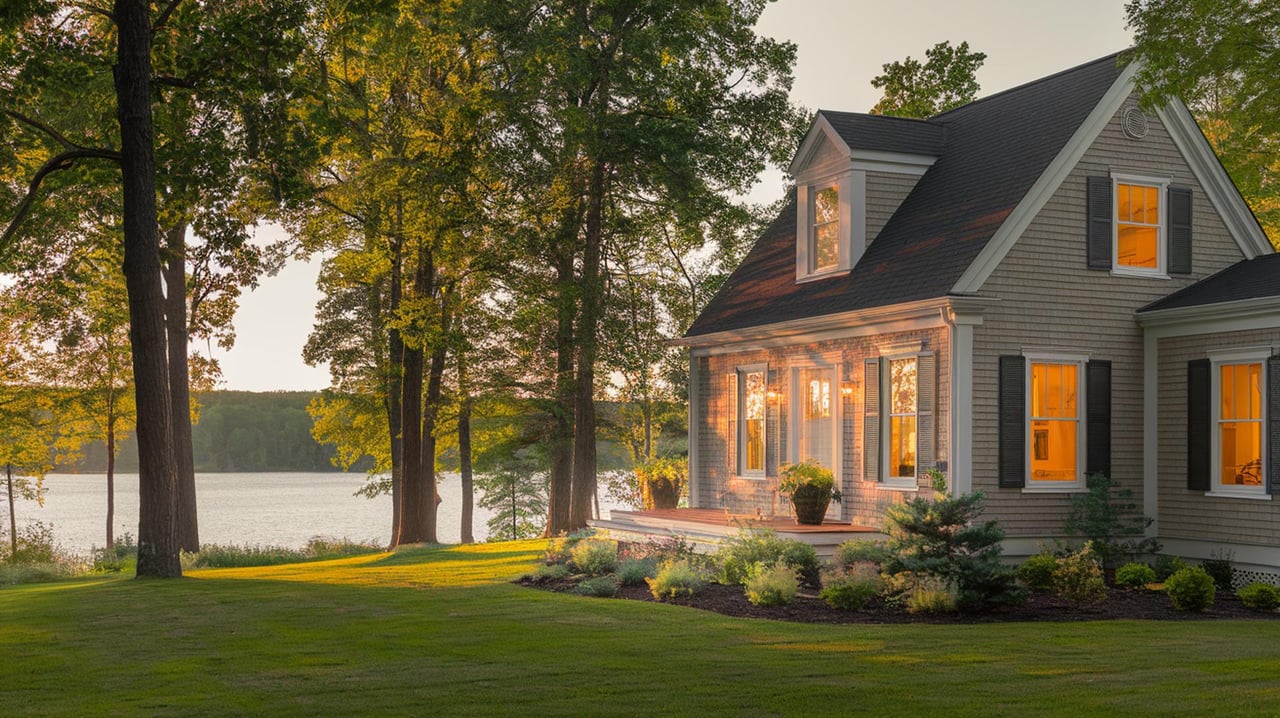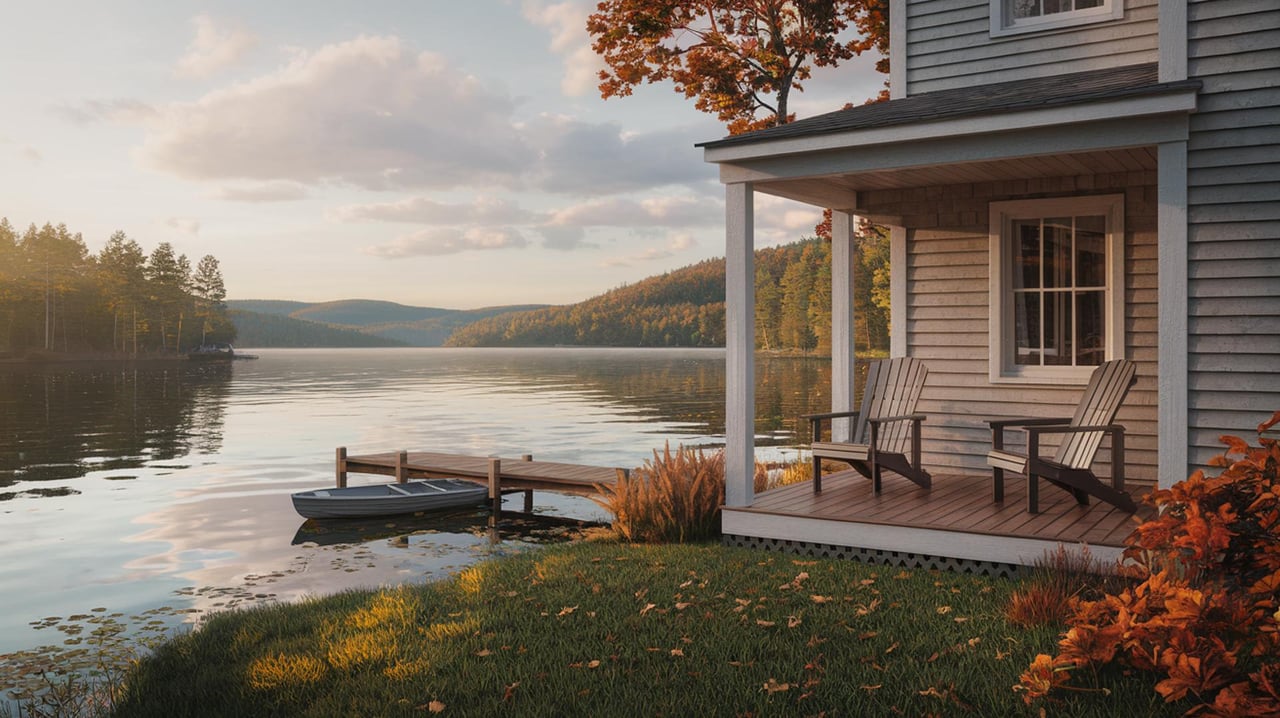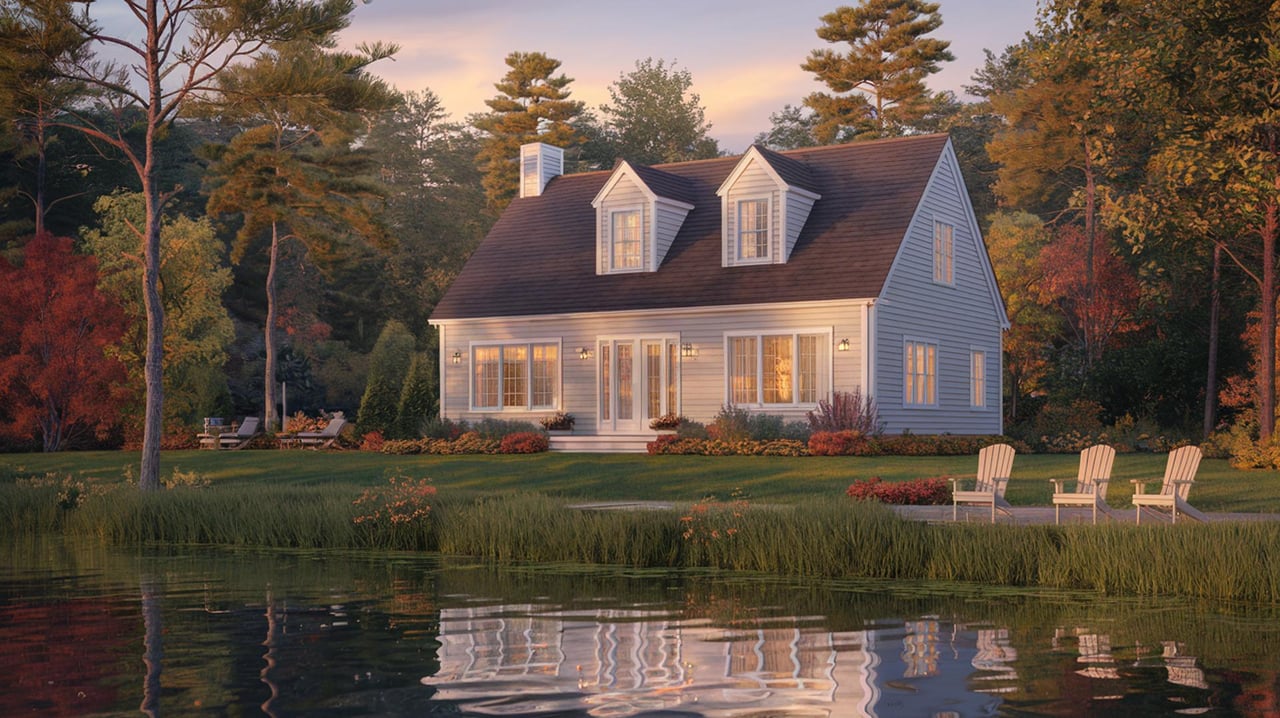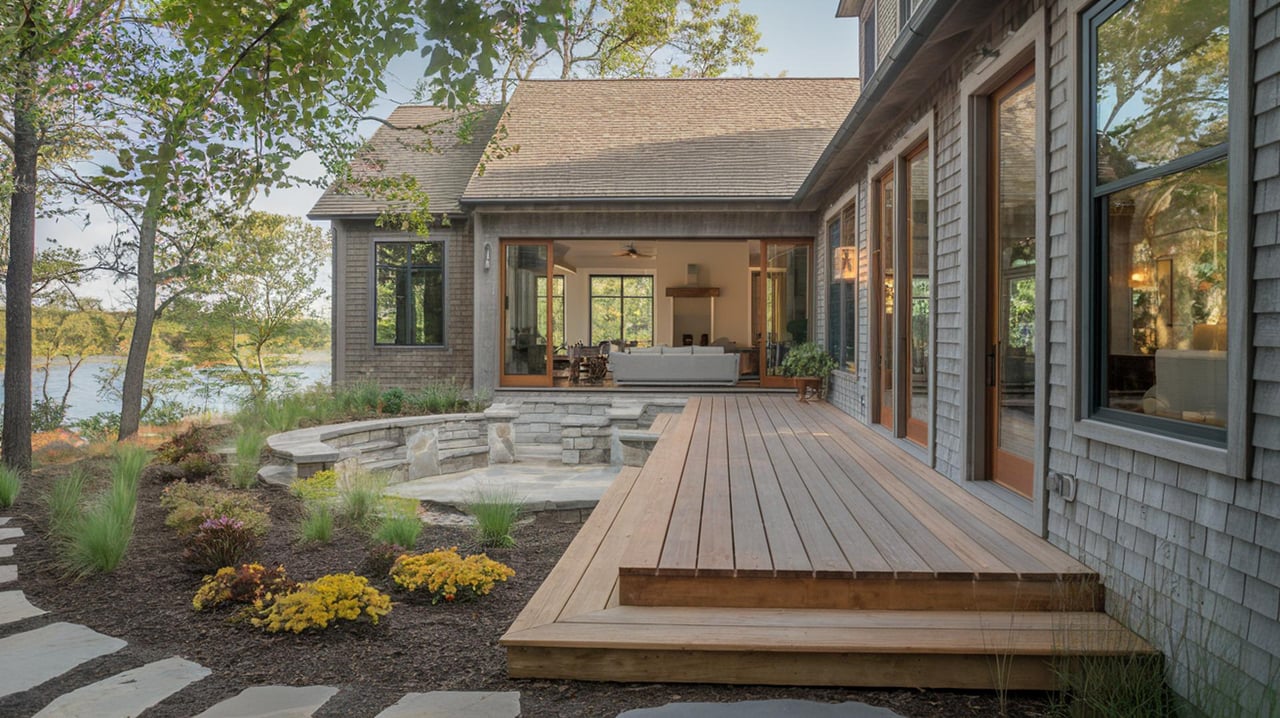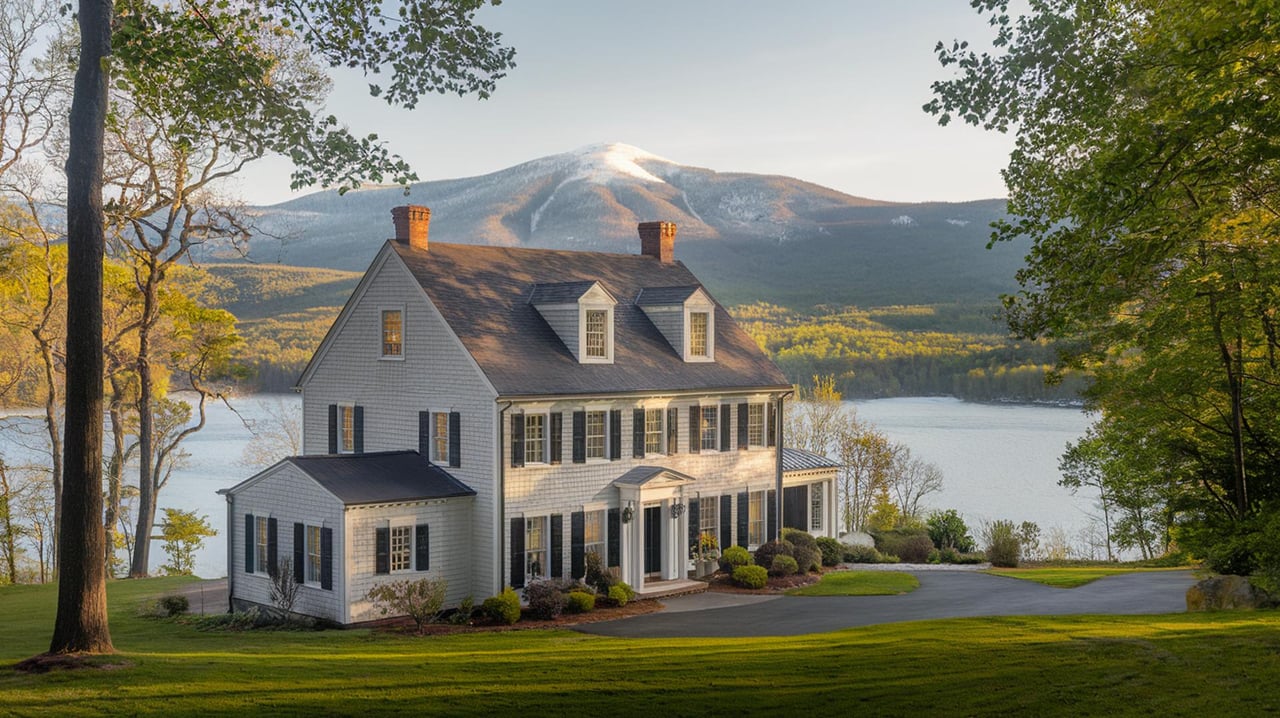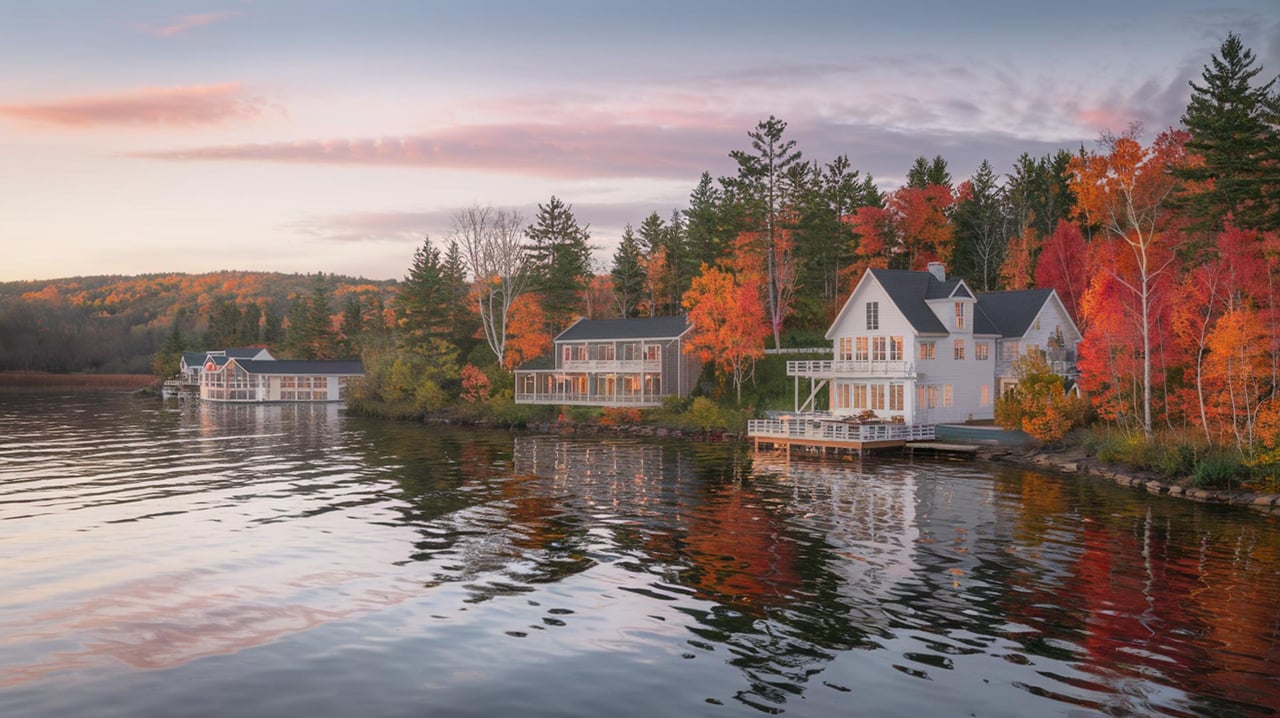
What makes one Winnipesaukee shoreline sell for far more than another that looks similar at first glance? If you are weighing a buy or planning to sell, the answer can feel murky. You want a clear, local guide that explains which details really drive price so you can act with confidence. This breakdown focuses on the lake towns along the eastern and northern shores in Carroll County, with insights that apply across the Lake Winnipesaukee corridor. Let’s dive in.
Location on the lake
Town and village access
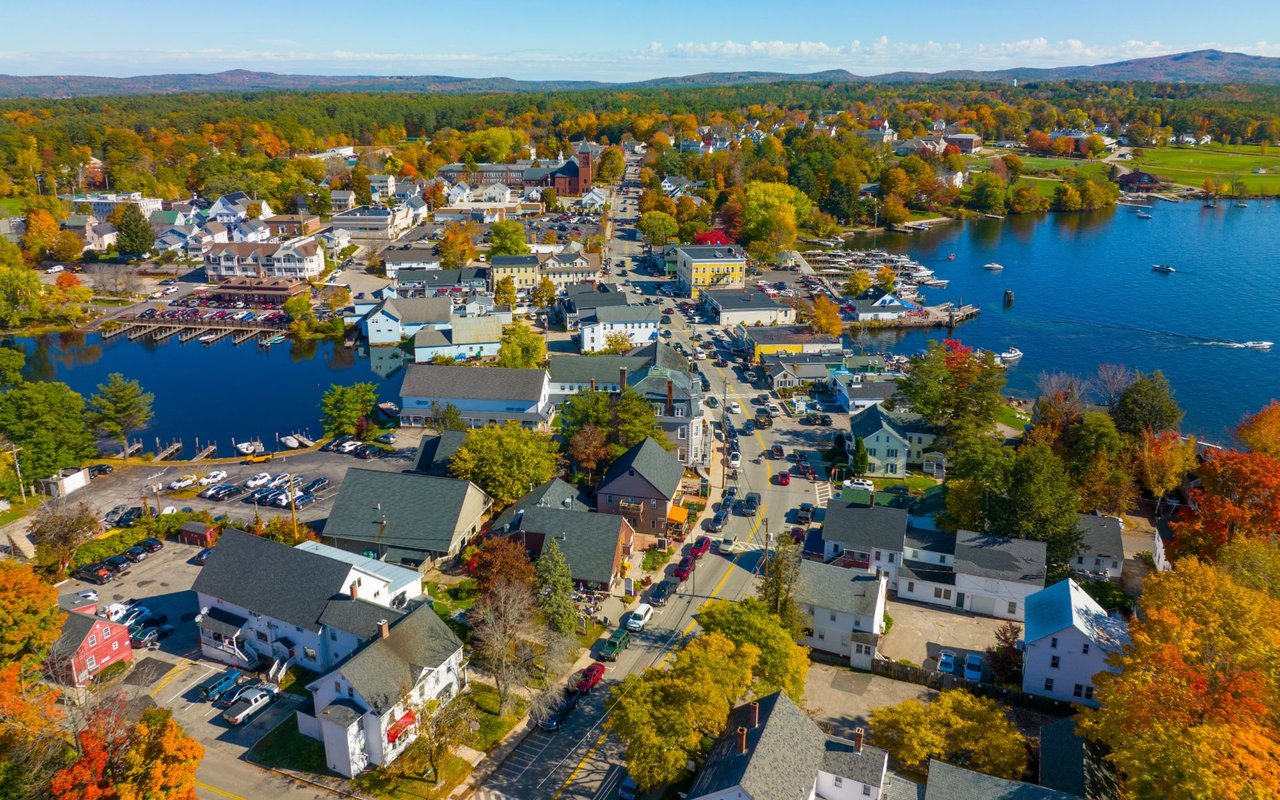
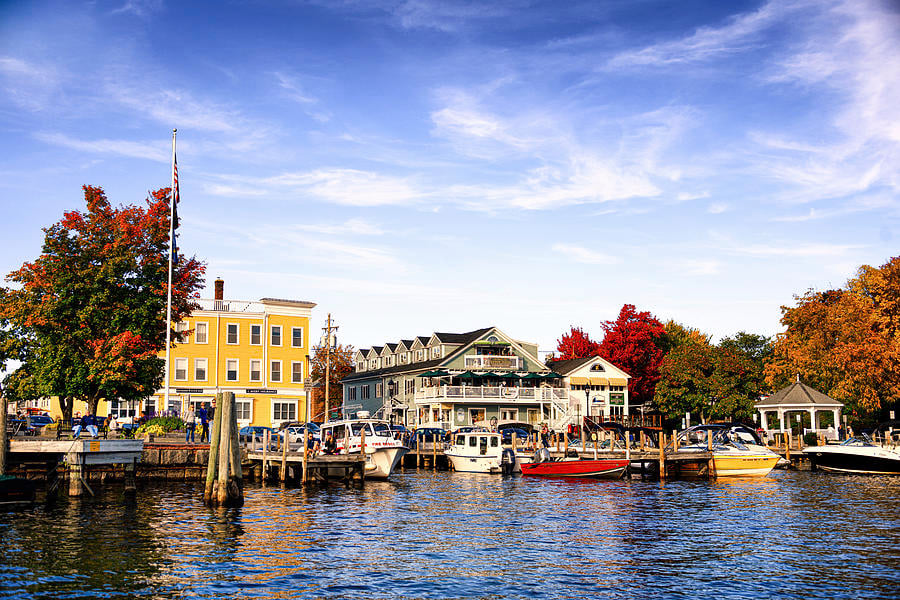
Proximity to desirable towns and village centers influences pricing. Access to restaurants, marinas, services, and events in places like Wolfeboro, Tuftonboro, and Moultonborough can increase demand. Walkable or near-village frontage tends to command a premium compared to more remote stretches. The right balance for you depends on how you plan to use the property year-round.
Where you sit on the water
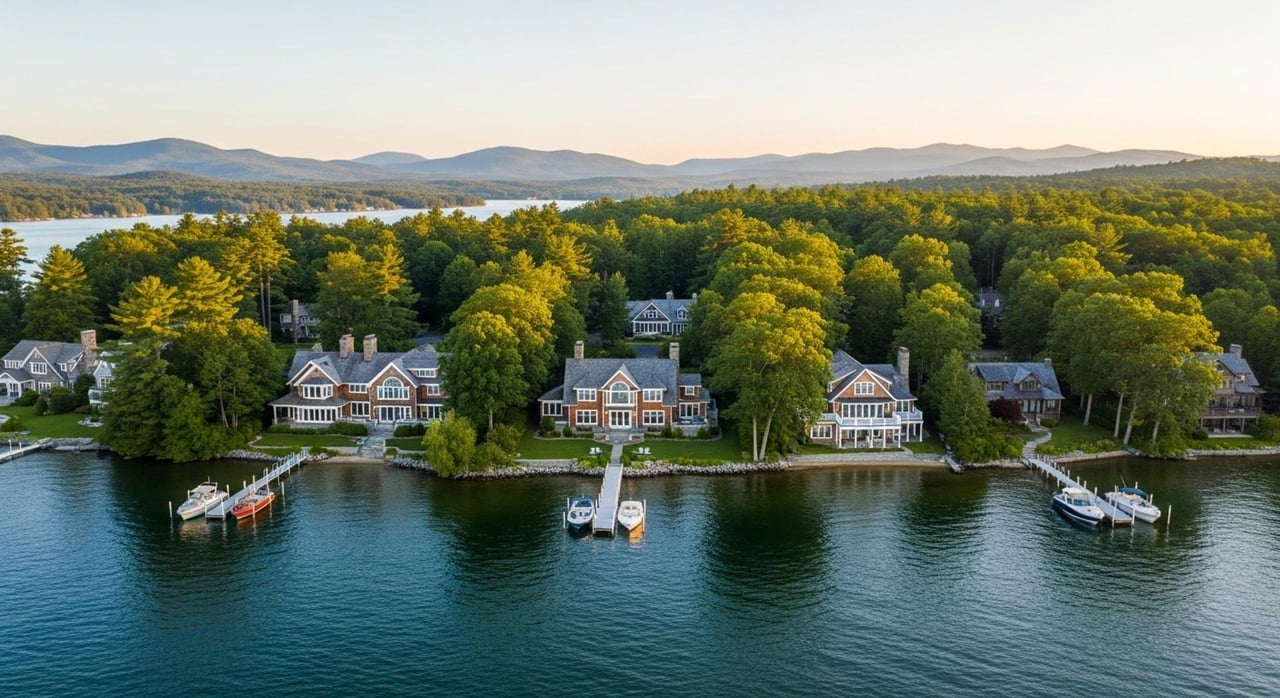
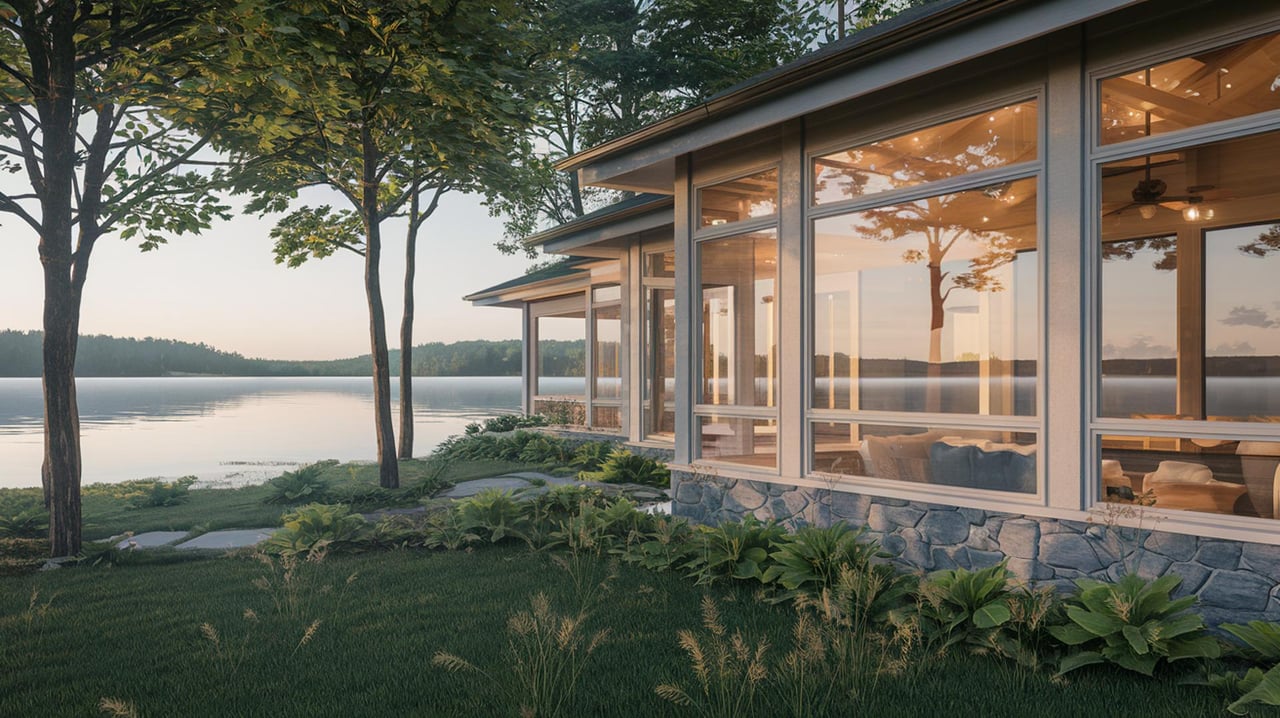
Not all shoreline is the same. Bays, coves, and peninsulas often trade differently than open-lake frontage. Protected coves appeal to buyers who value calm water, easier docking, and privacy, which can support higher pricing. Open-lake exposure brings long views and fast boating access, yet it may also be windier and busier.
Sun, wind, and privacy
Orientation matters. Southern and western exposures often earn a premium for extended sun and sunsets. Tree buffers and limited sightlines to neighbors add perceived exclusivity. Balance privacy with practical access for the lifestyle you want.
Waterfront features that move price
Frontage and beach quality
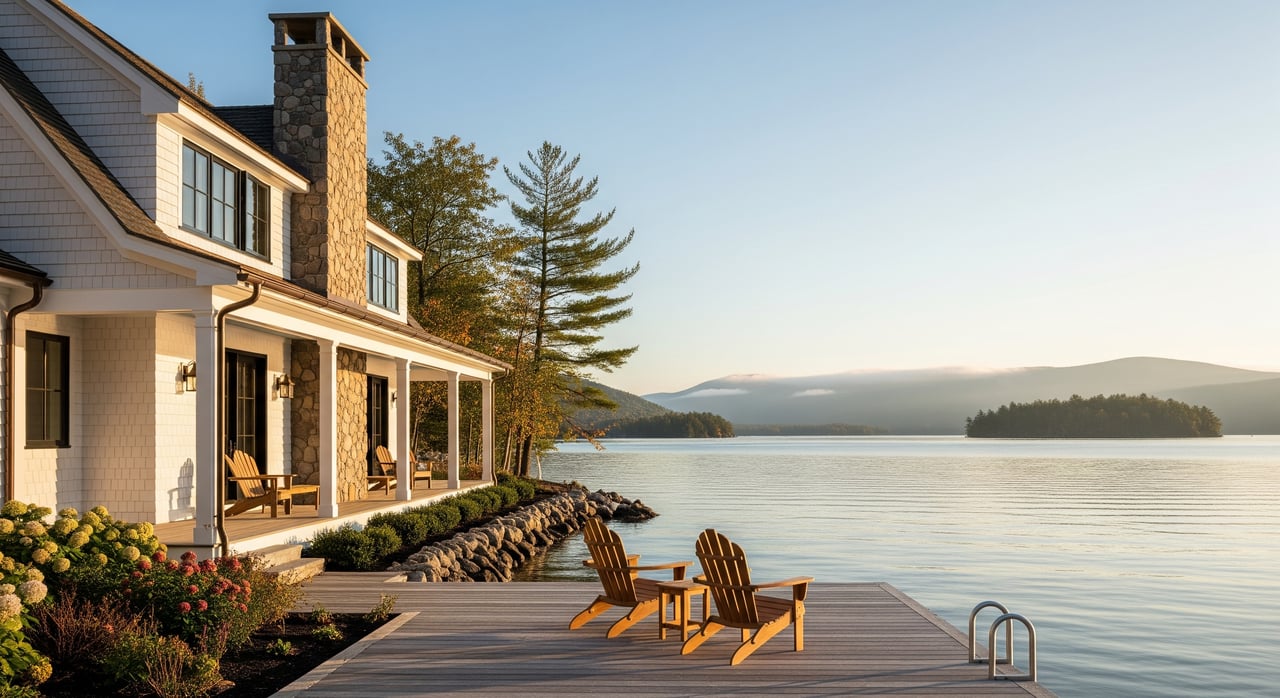
Linear feet of private frontage is a key input in appraisals and buyer perception. More frontage typically adds value, but quality matters. Gentle, usable sand or pebble beaches usually beat rocky or marshy edges in both enjoyment and pricing. A small but usable beach can be more valuable than a long rocky stretch.
Water depth and bottom type
Deep water close to shore is highly desirable for easy boat access and swimming. Shallow or silty bottoms may limit use and reduce appeal. If you plan to dock a larger boat, confirm depth and approach conditions before you fall in love with a view.
Slope, siting, and views
Lot topography affects daily life and value. A moderate slope with a home sited for big-water views can trade at a premium. Very steep sites with many steps or limited vehicle access can introduce functional challenges. Think about how you will carry gear, navigate winter conditions, and host guests.
Docks, moorings, and on-site structures
Dock capacity and configuration
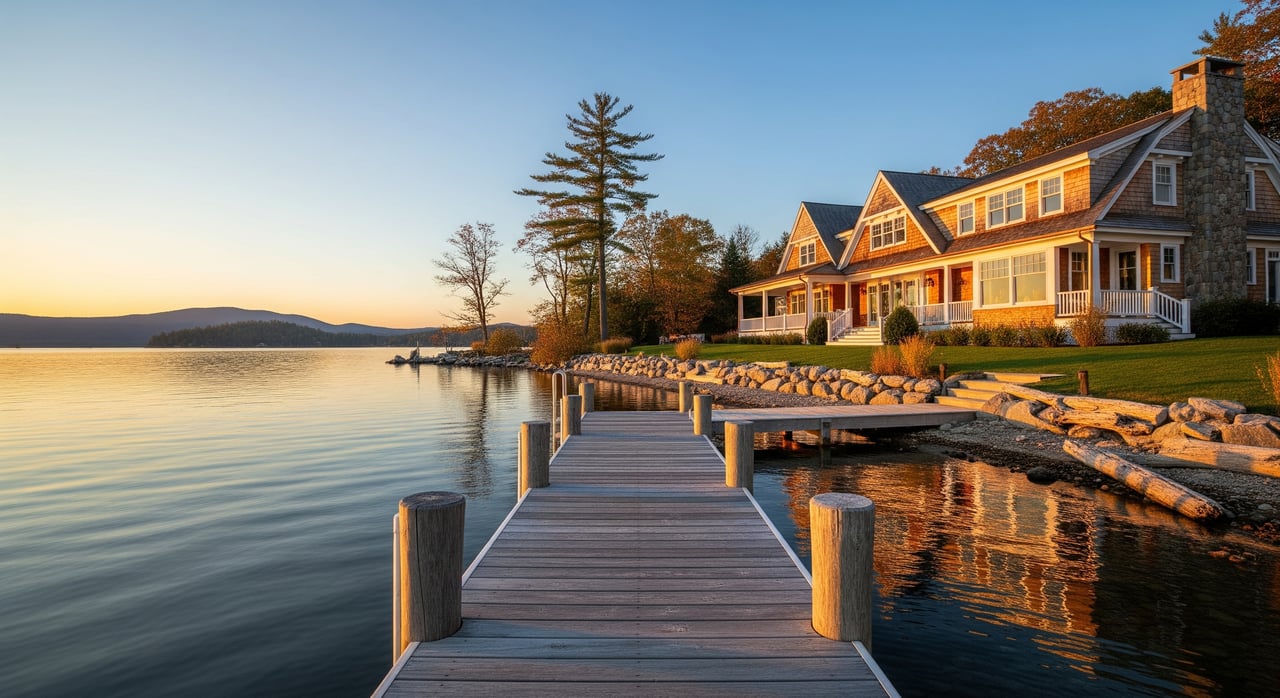
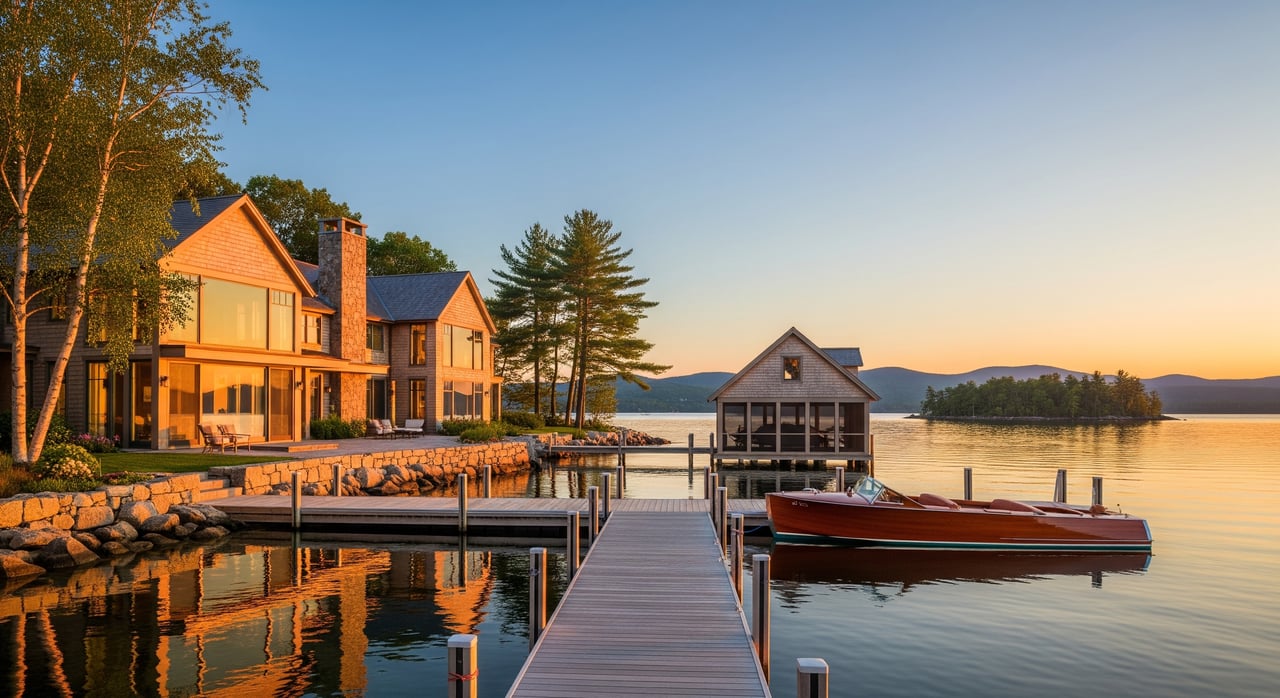
Private, permitted deep-water docks and moorings add real value. Size, number of slips, and lift capacity matter for active boaters. Limited or shared docking may reduce utility and price. Always verify what is legally permitted on the parcel today.
Boathouses, garages, and drives
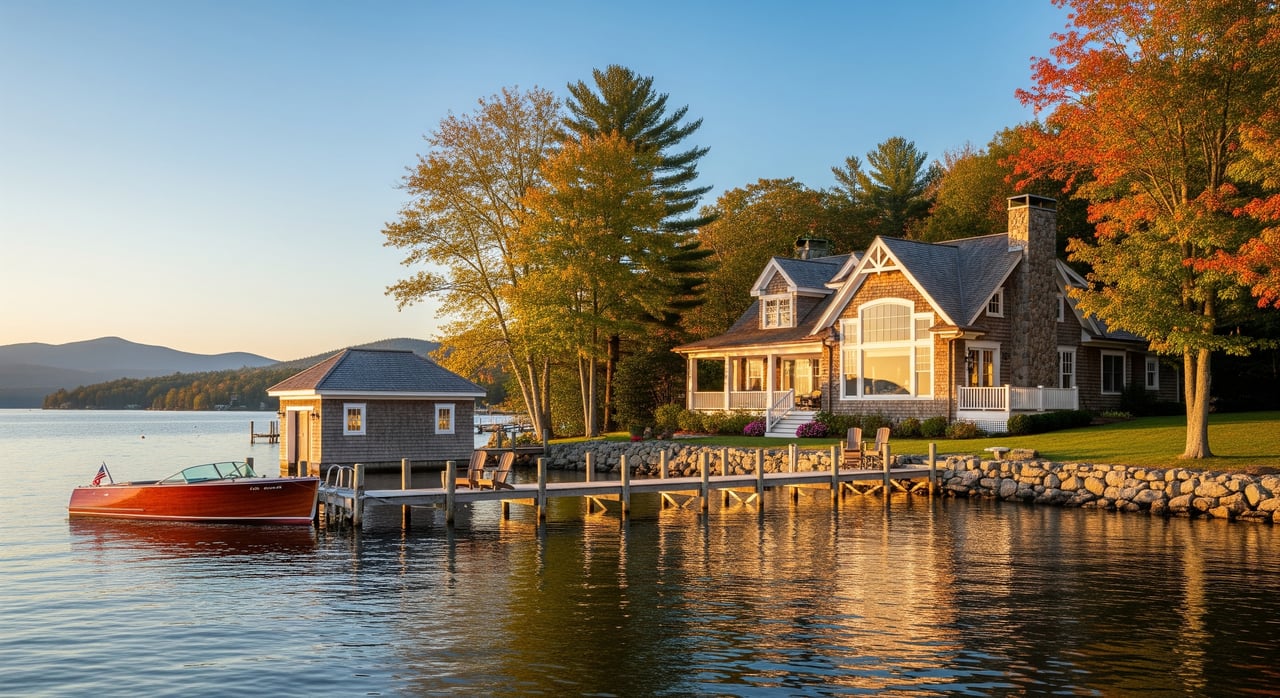
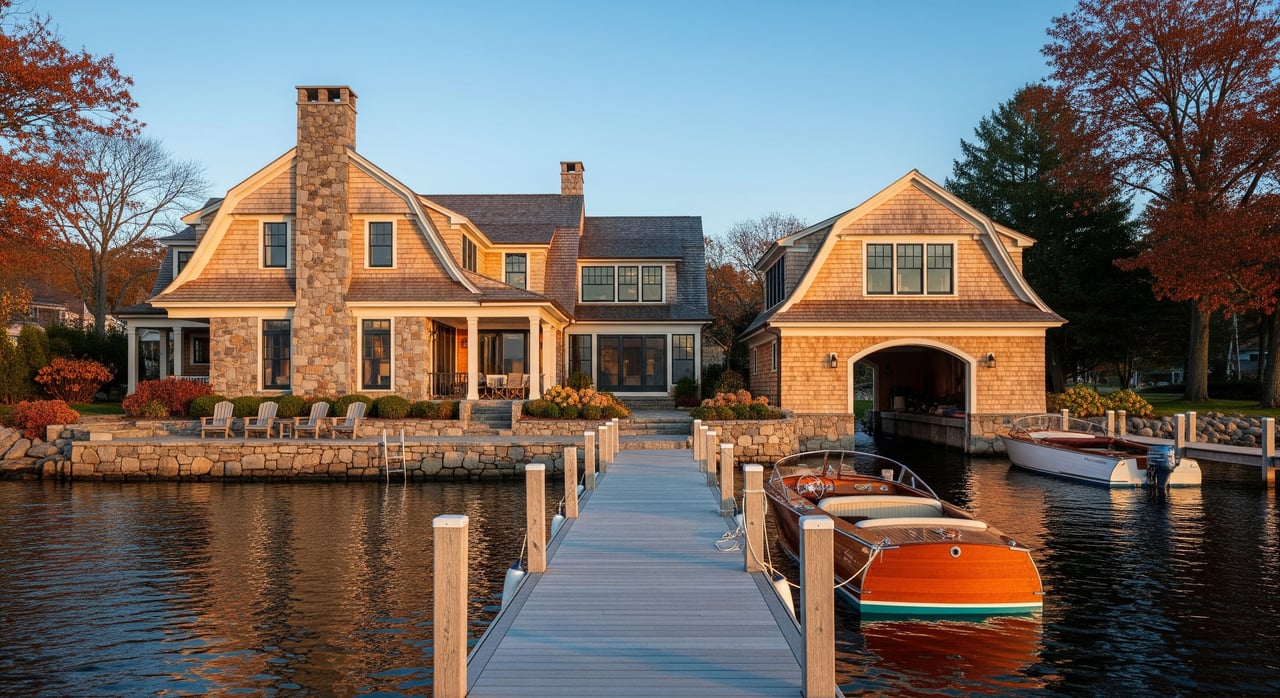
Boathouses, bunkhouses, garages, and paved driveways increase utility and buyer interest. These structures can face permitting limits near the shore, so existing, well-documented improvements tend to support pricing. Functional access for vehicles and service vendors is a plus.
Private vs shared access
Exclusive, deeded water rights with a private dock are generally priced higher than association or shared access. Community beaches and docks can still deliver strong lifestyle value, but they do not usually carry the same premium as true private frontage.
Rules and permits that affect value
Shoreland setbacks and vegetation
New Hampshire shoreland protection programs and municipal shoreland zoning can restrict new construction, fill, and vegetation changes near the water. These rules protect the lake and also shape a property’s development potential. Limited ability to expand can influence pricing.
Dock and mooring permits
Mooring and docking permits are typically managed by town harbormasters or harbor commissions, while state environmental rules may also apply. The ability to build, expand, or relocate a dock is not guaranteed. Confirm status early because docking constraints can have a major impact on value.
Septic, wells, and expansion potential
Septic system capacity, age, and compliance with state subsurface system requirements affect marketability and future plans. Lot size and soil suitability determine whether upgrades or expansions are realistic. Older or nonconforming systems may complicate financing or transfers until addressed.
Flood zones and insurance
Check FEMA flood maps to see if the property lies in a Special Flood Hazard Area. Flood-zone designation can trigger lender insurance requirements and design constraints. Even outside mapped zones, some owners choose flood policies due to shoreline exposure.
Market forces and timing
Inventory and demand
True private lakefront is scarce. With steady demand from year-round residents, seasonal owners, retirees, and investor buyers, that limited supply supports pricing. Turnkey homes in desirable coves or village-adjacent areas often attract multiple buyers.
Interest rates and financing
Financing costs shape buyer budgets. Higher interest rates can soften peak pricing or extend days on market, while lower rates can lift offers. Unique or complex lakefront parcels may require larger down payments.
Seasonality and listing windows
Spring and summer are peak listing and showing seasons around Winnipesaukee. Sellers often capture stronger attention when the docks are in and the water is inviting. Off-season deals do happen, but competition is typically higher in season.
Ownership costs to budget
Taxes and assessments
Property tax rates vary by town and will be a recurring cost for you. Factor the municipal rate and assessed value into your annual budget when comparing properties.
Insurance and flood coverage
Waterfront homes may carry higher insurance premiums. If the home sits in a mapped flood zone, lenders will likely require flood insurance. Always price coverage before you finalize an offer.
Shoreline and dock upkeep
Budget for seasonal dock installation and removal, periodic repairs, and shoreline erosion control. Preventive maintenance protects both your enjoyment and your long-term value.
HOA or association dues
If you buy in an association with shared amenities, plan for dues that cover maintenance and operations. Compare what each community includes.
How appraisers compare lakefront
Picking the right comps
Appraisers focus on recent sales of similar waterfront parcels in the same town or in comparable coves. The goal is to capture local nuance, not broad averages. Town-to-town differences can be significant.
Adjustments that matter most
Typical adjustments reflect frontage length, view quality, water depth, docking, lot slope, and proximity to village centers. Functional drawbacks, like poor access or limited ability to permit changes, can reduce value. Emotional appeal also shows up when buyers stretch for sunsets or a beloved cove.
Financing and unique parcels
Homes with unusual layouts, older systems, or hard-to-replicate shore features can challenge appraisals. Lenders may insist on more recent comps or larger down payments to offset marketability risk.
Real-world scenarios to compare
Protected cove, gentle beach
A home in a quiet cove with a sandy, gradual beach and a permitted deep-water dock often attracts families who value safe swimming and easy docking. Southern or western sun exposure, plus privacy from mature trees, can lift buyer enthusiasm.
Open-lake, big views
A property with sweeping views on open water offers drama and fast boating access. It may experience more wind or boat traffic. If the site has a steeper descent to shore, weigh the daily trade-offs against the view.
Quick comparison checklist
Use this checklist to compare two properties side by side:
- Town location and access to marinas, services, and events
- Frontage length and beach usability
- Water depth at the dock and bottom type
- Orientation for sun and sunsets
- Degree of privacy and neighboring sightlines
- Slope from house to shore and driveway access
- Dock size, slips, and mooring rights in place
- Existing permits and likelihood of future approvals
- Septic system age, capacity, and replacement feasibility
- Flood zone status and insurance quotes
- Property taxes and estimated maintenance budget
Buyer due diligence: what to verify
- Confirm property lines, deeded water rights, and any recorded easements; order a current survey.
- Contact the town harbormaster to verify existing and allowable docks or moorings and the process for permits.
- Inspect the septic system and review state records for capacity and type; assess replacement options.
- Review FEMA flood maps and get quotes for homeowners and flood insurance.
- Check zoning, shoreland setbacks, conservation restrictions, and any homeowners association rules.
- Evaluate shoreline condition, erosion controls, and potential permitting needs for changes.
- Ask about invasive species rules and local boating regulations, such as no-wake zones.
- Study recent comparable sales and days on market in the specific cove or neighborhood.
- Verify utilities and winter road maintenance if you plan year-round use.
Seller prep: how to support top value
- Gather documentation for permitted docks, moorings, septic permits, and any shoreline work.
- Provide a recent survey and disclose known easements or boundary issues.
- Complete small improvements that boost utility and first impressions, such as beach cleanup and dock repairs.
- Clarify any municipal or association requirements for transferring mooring or dock rights.
- Highlight the features buyers ask about most: frontage, depth, exposure, docking, and recent local comps.
The bottom line
Waterfront pricing on Winnipesaukee is hyperlocal and feature-driven. Town setting, shoreline quality, docking, exposure, and permitting all interact to shape value. When you understand these levers and verify the facts early, you can buy or sell with clarity and confidence.
Ready to evaluate a property or prepare your home for market? Connect with Janet Sienko for local guidance, a tailored plan, and to Request Your Free Home Valuation.
FAQs
How much does Winnipesaukee waterfront add to price?
- Waterfront usually carries a significant premium over non-waterfront, but the exact amount depends on frontage, water depth, view, docking, privacy, and the town; rely on recent local comps for precision.
Do all Winnipesaukee lots include dock rights?
- No, dock and mooring rights can be separate, limited by municipal rules, or subject to easements, so always verify rights with the harbormaster and review the deed.
What permits do I need for a dock or boathouse?
- Dock and mooring permits are typically municipal, while shoreland changes and septic work may also require state approvals; check with the town harbormaster and planning officials before you plan improvements.
Will I need flood insurance for a lakefront home?
- If the property is in a FEMA Special Flood Hazard Area, lenders will usually require flood insurance, and some owners outside these areas still choose coverage due to shoreline exposure.
What hidden waterfront costs should I expect?
- Plan for seasonal dock installation and removal, shoreline erosion control, higher insurance premiums, potential septic upgrades, and property taxes that vary by town.