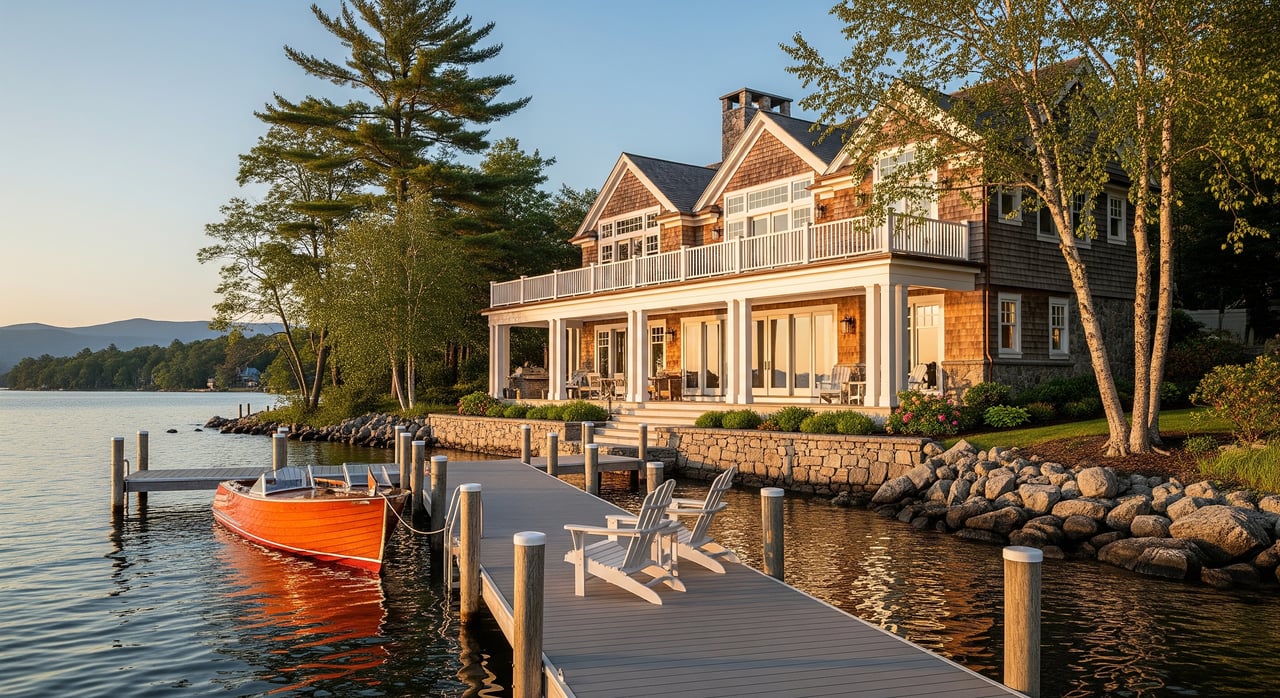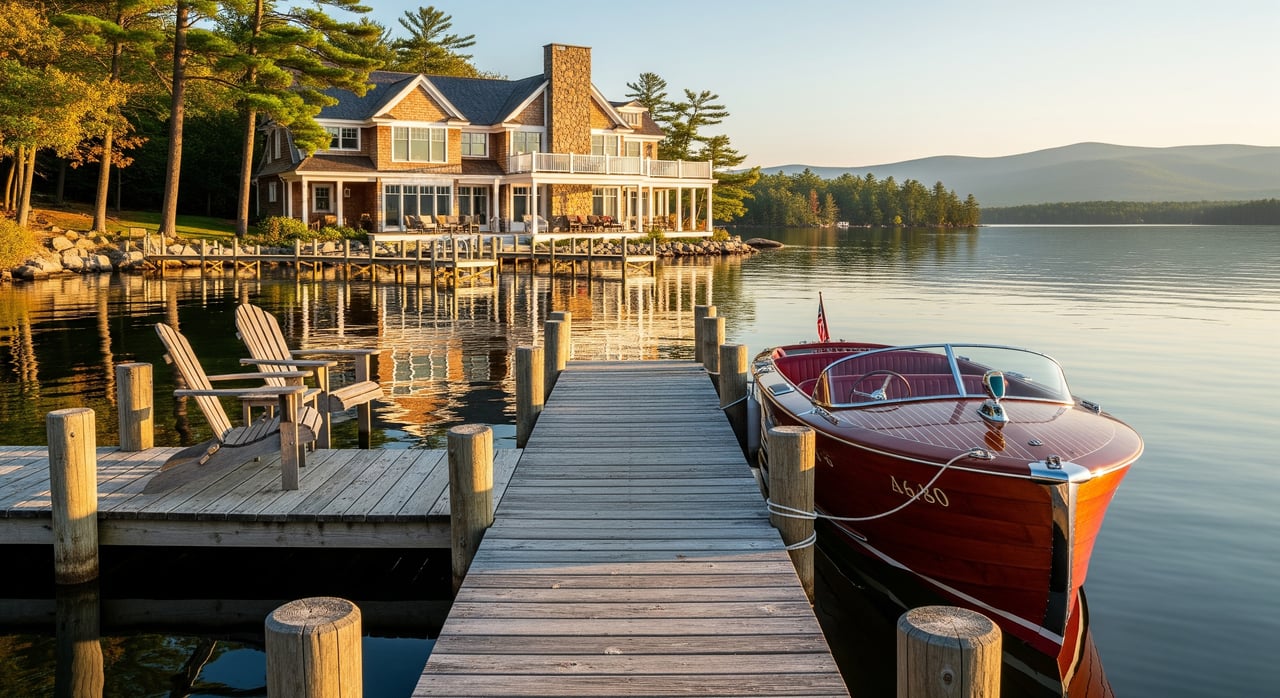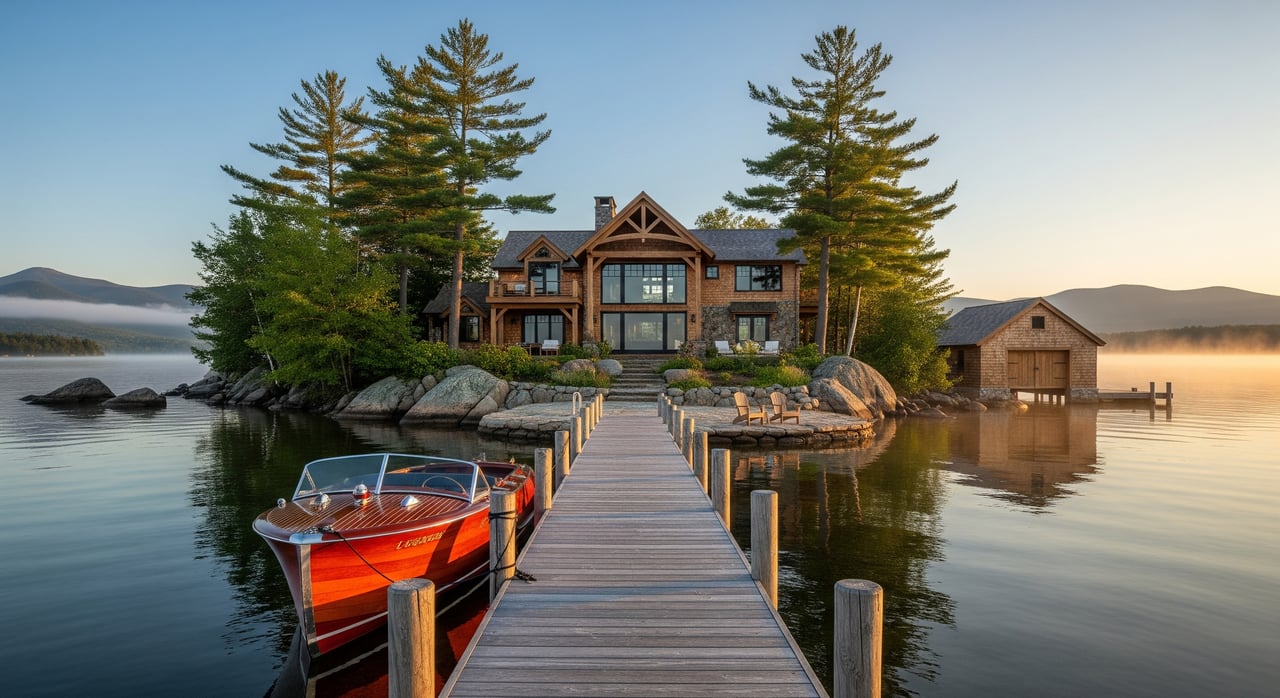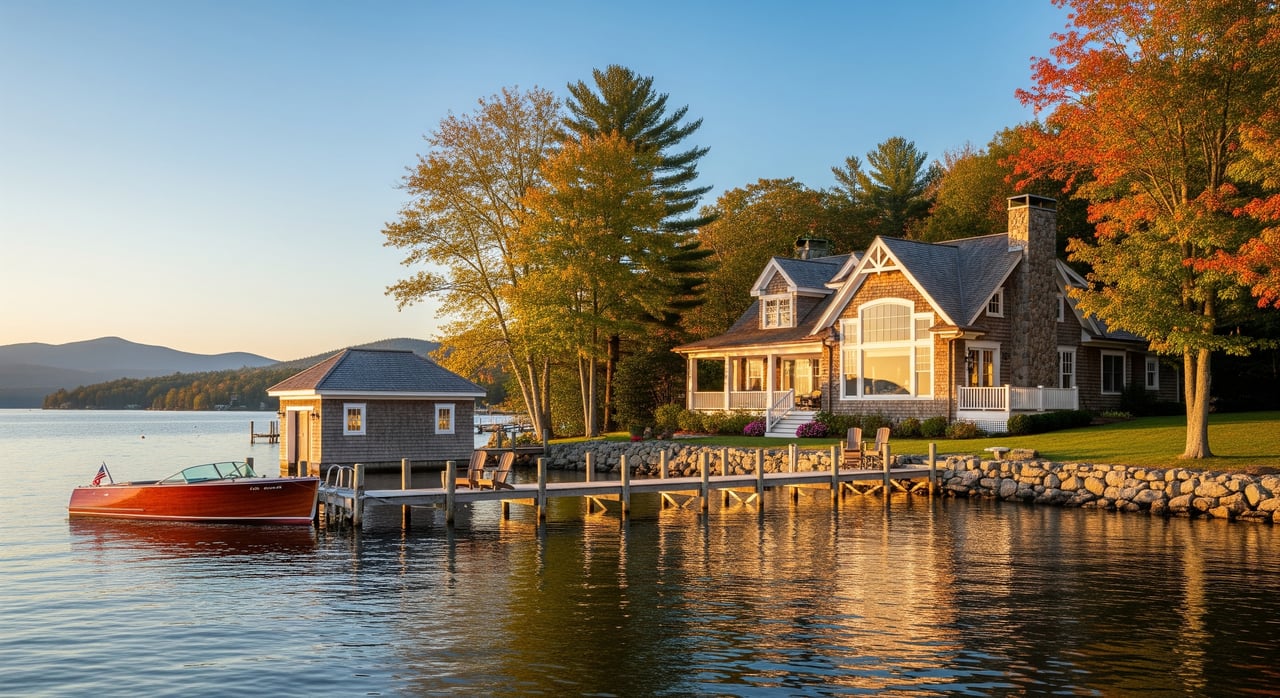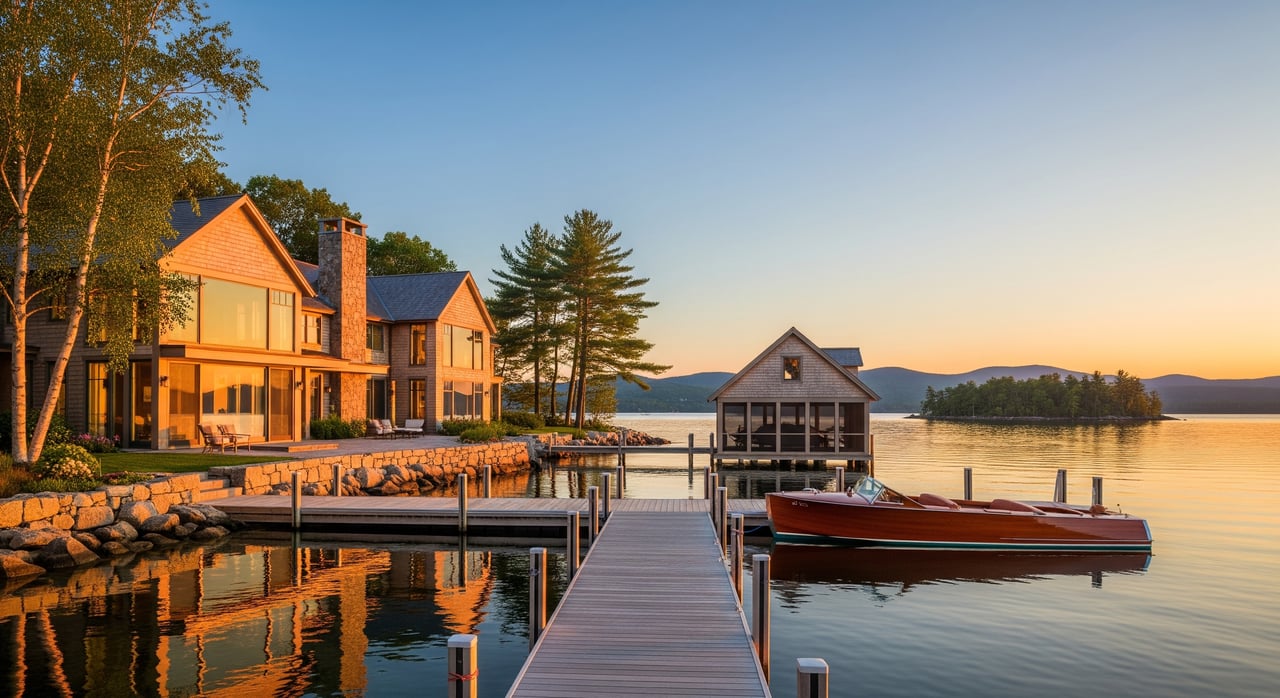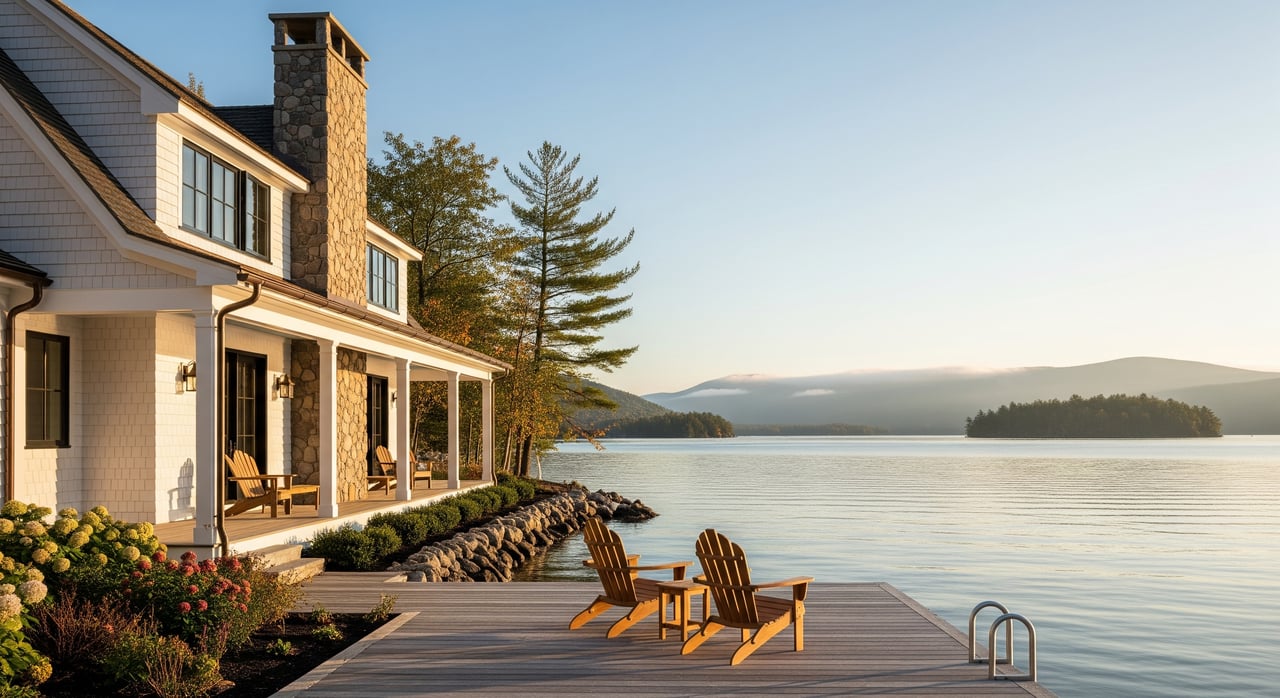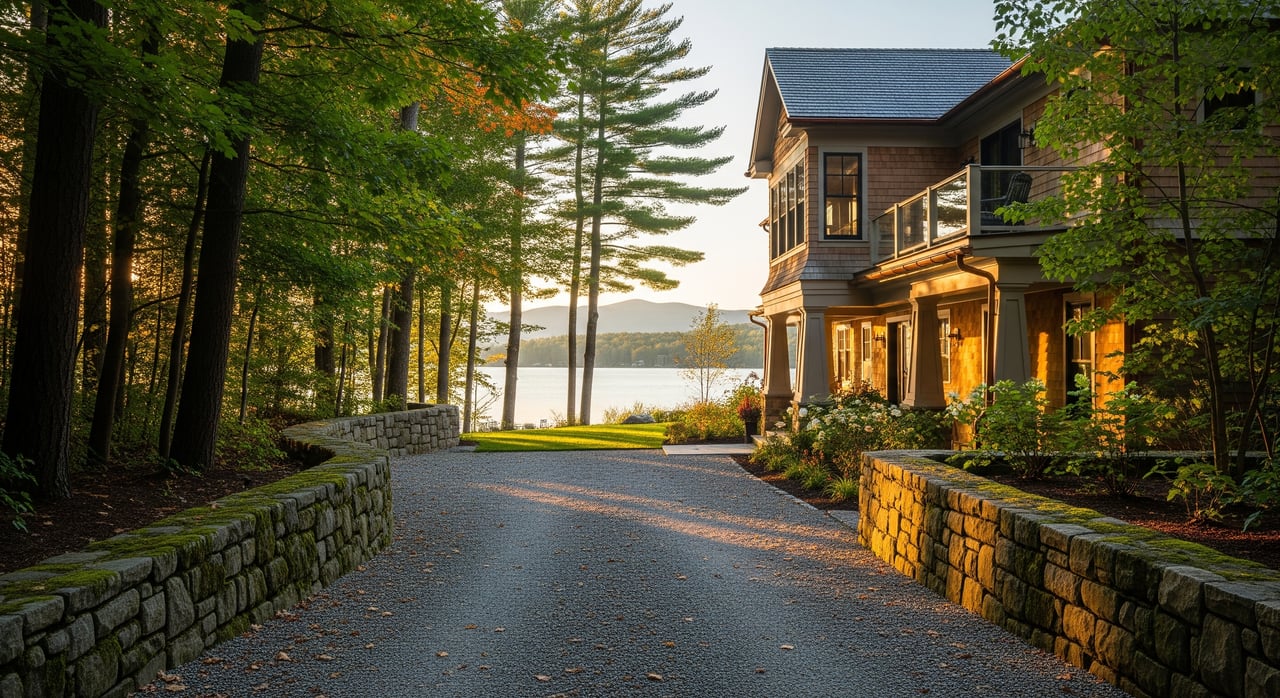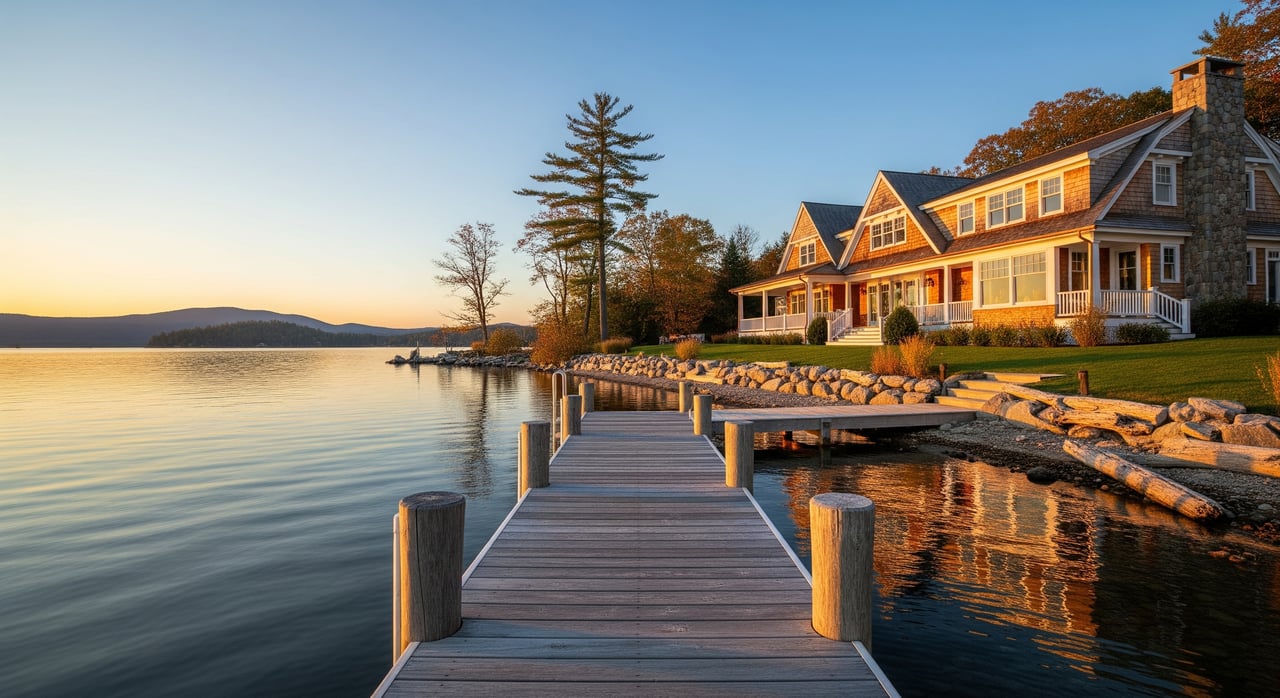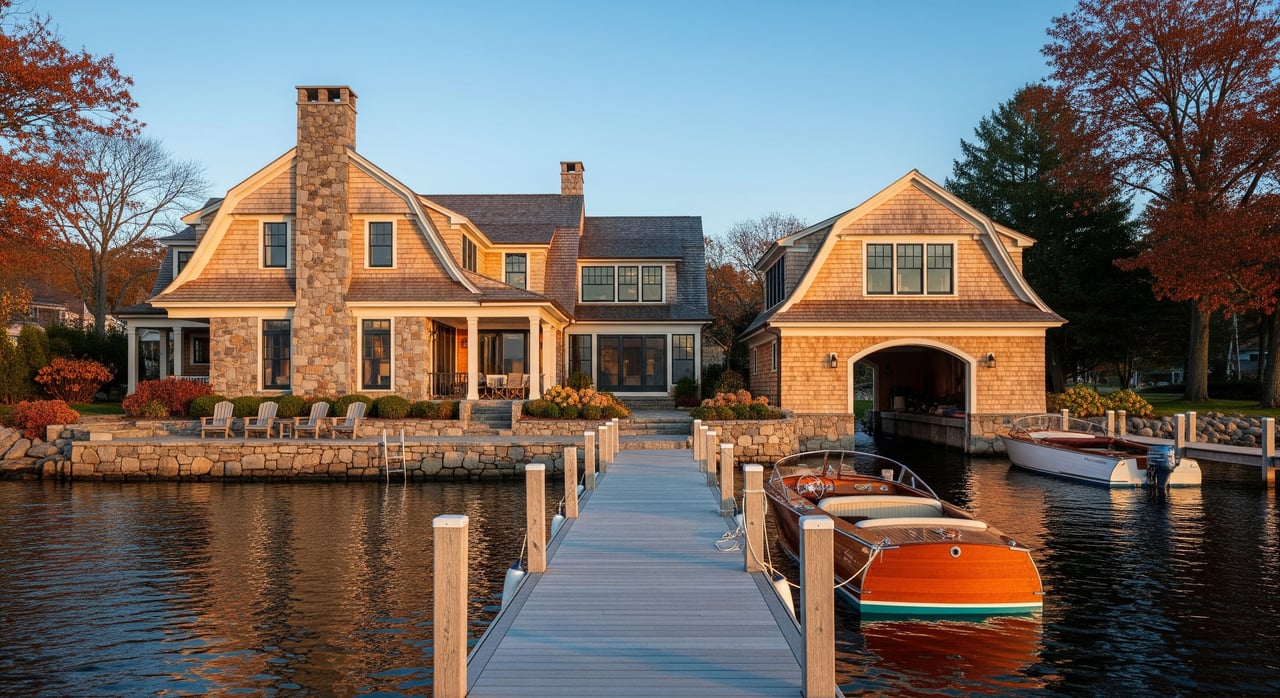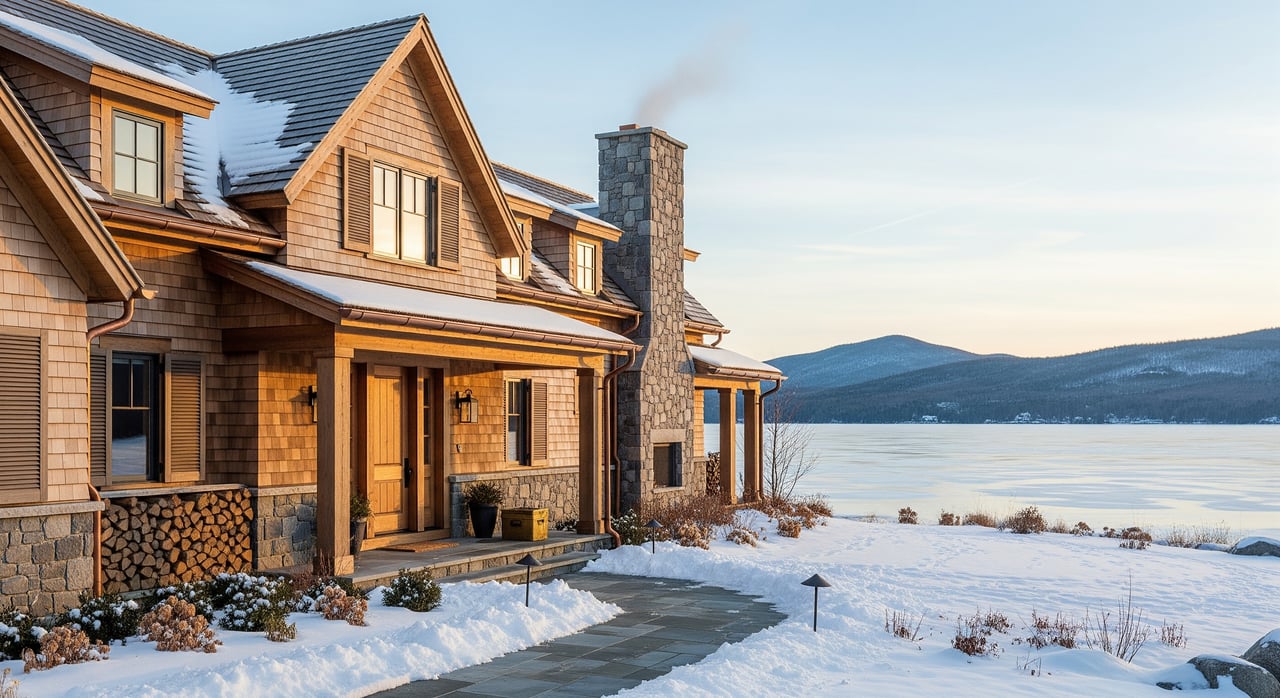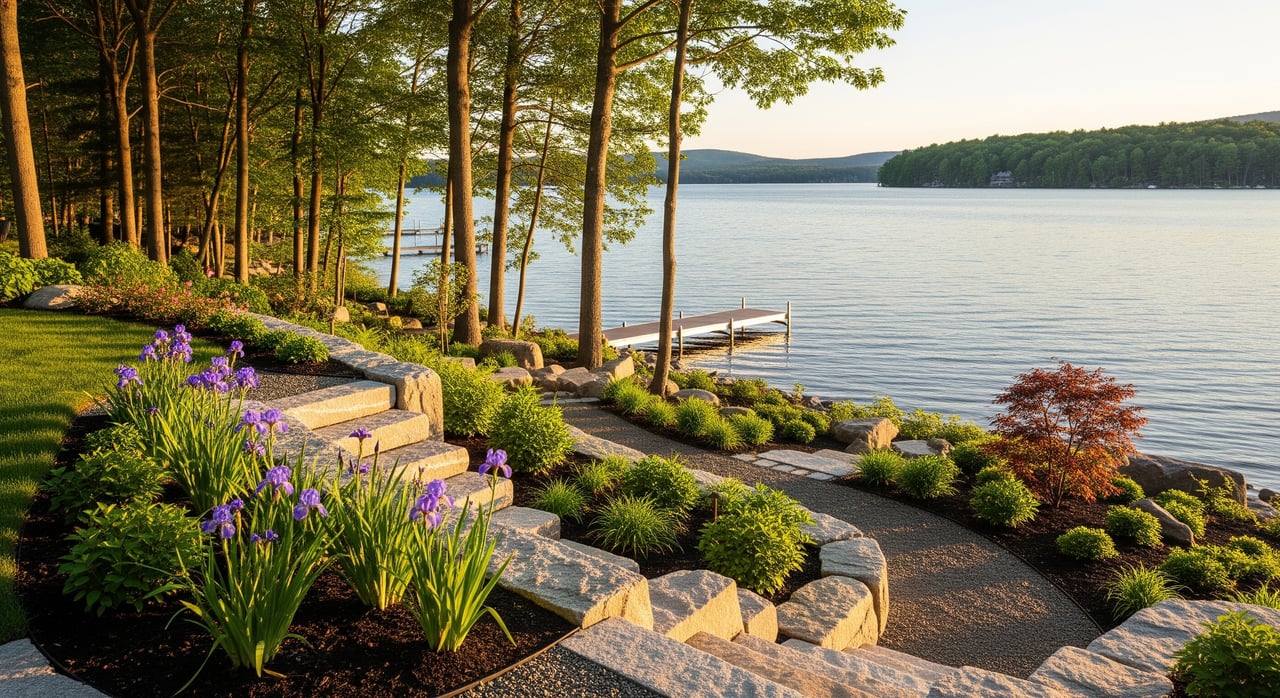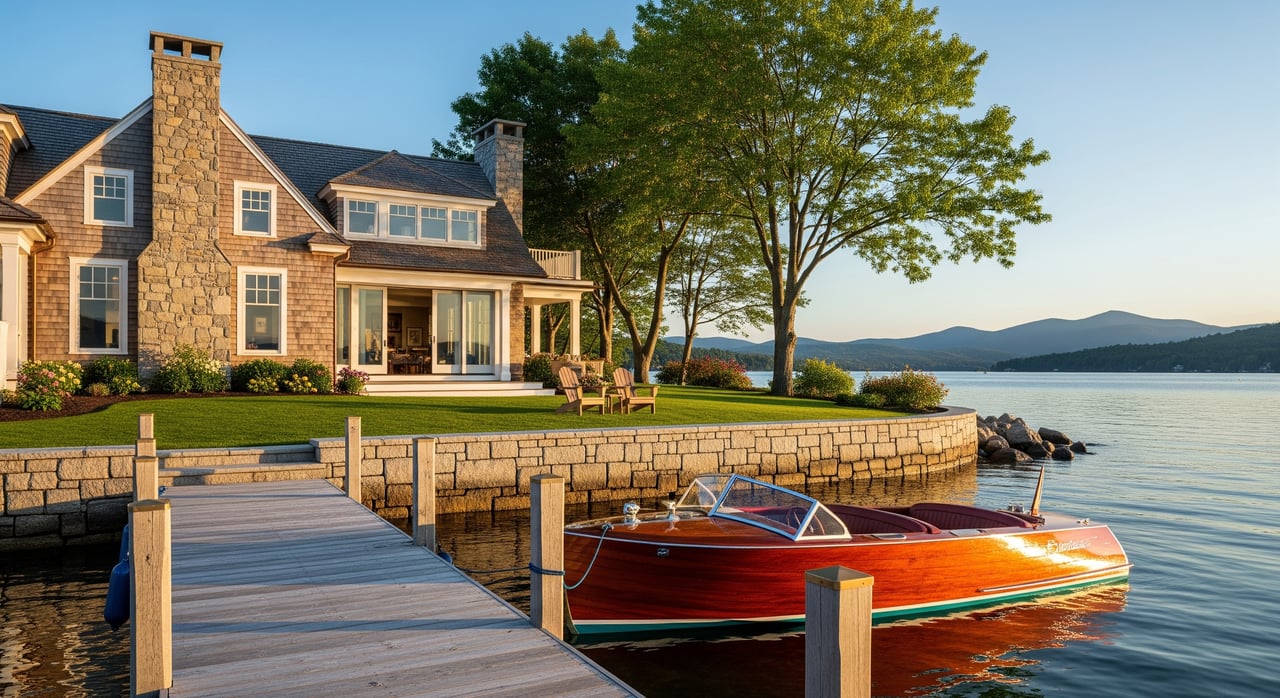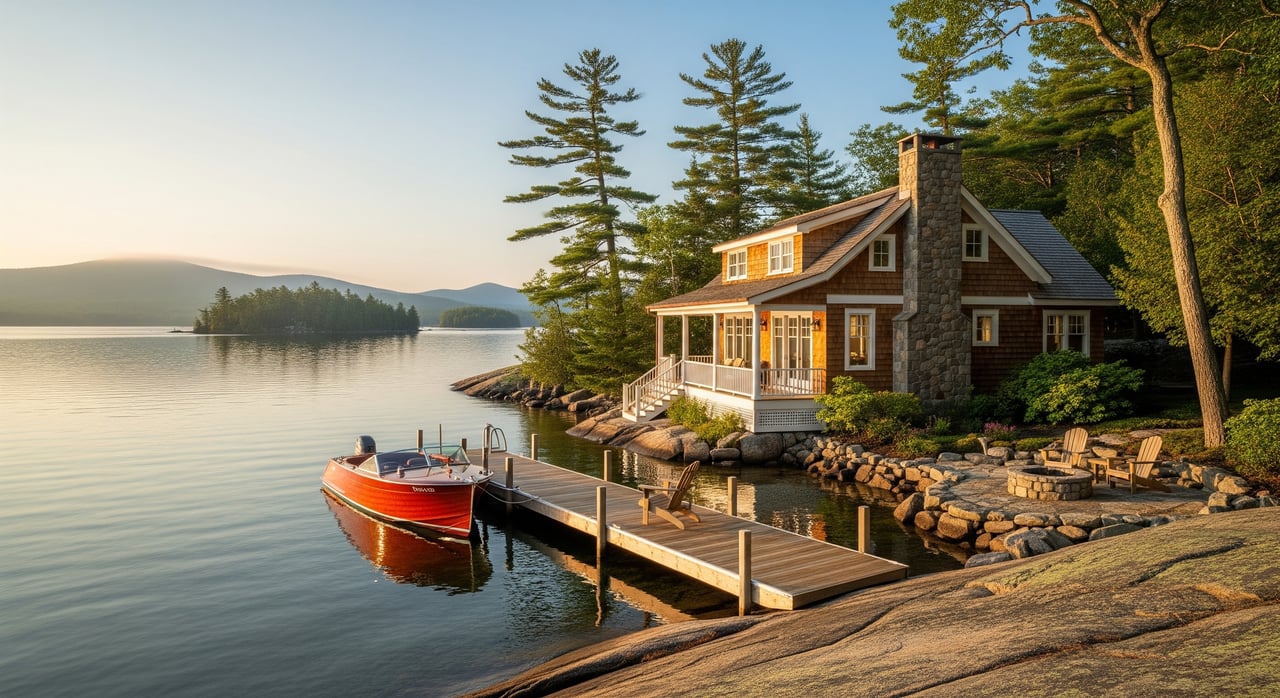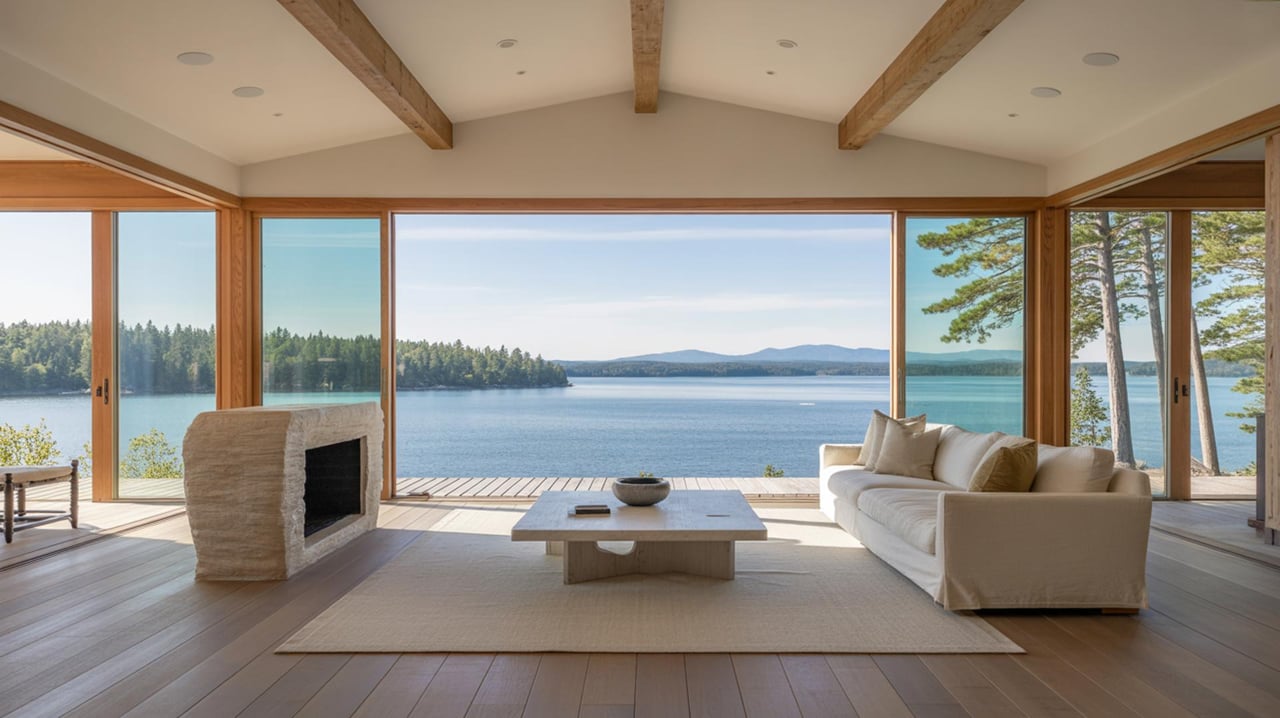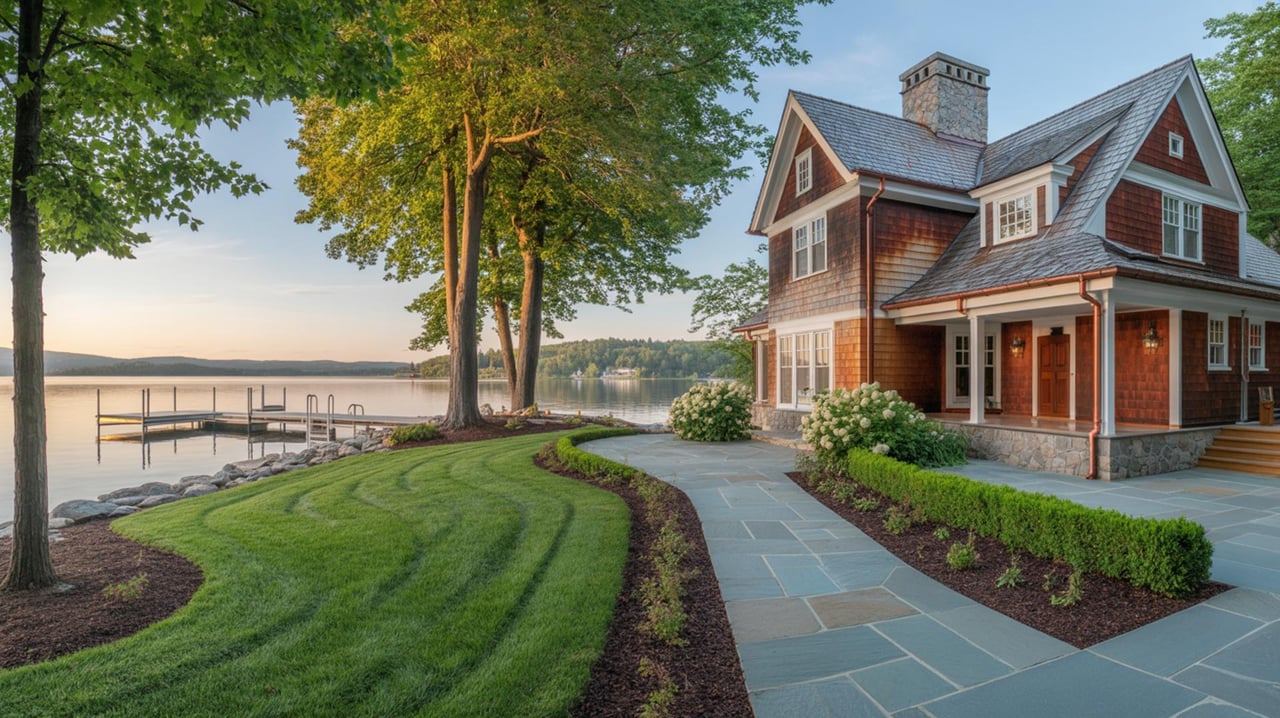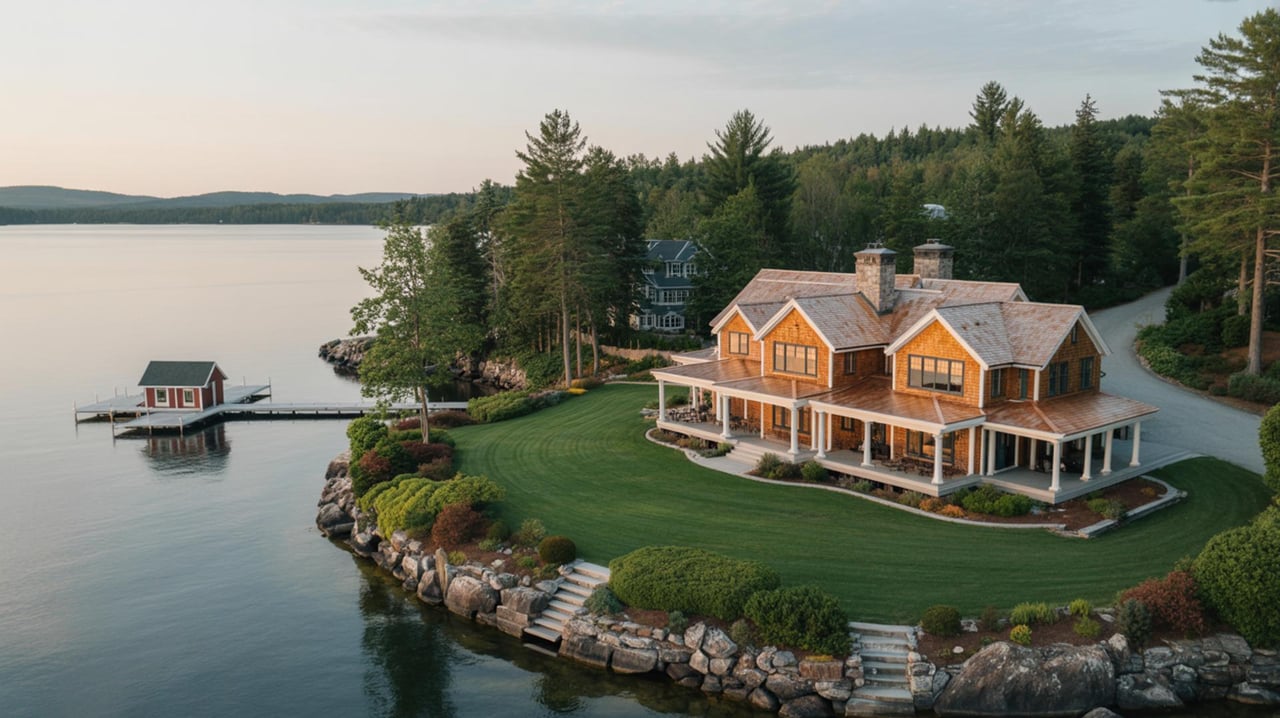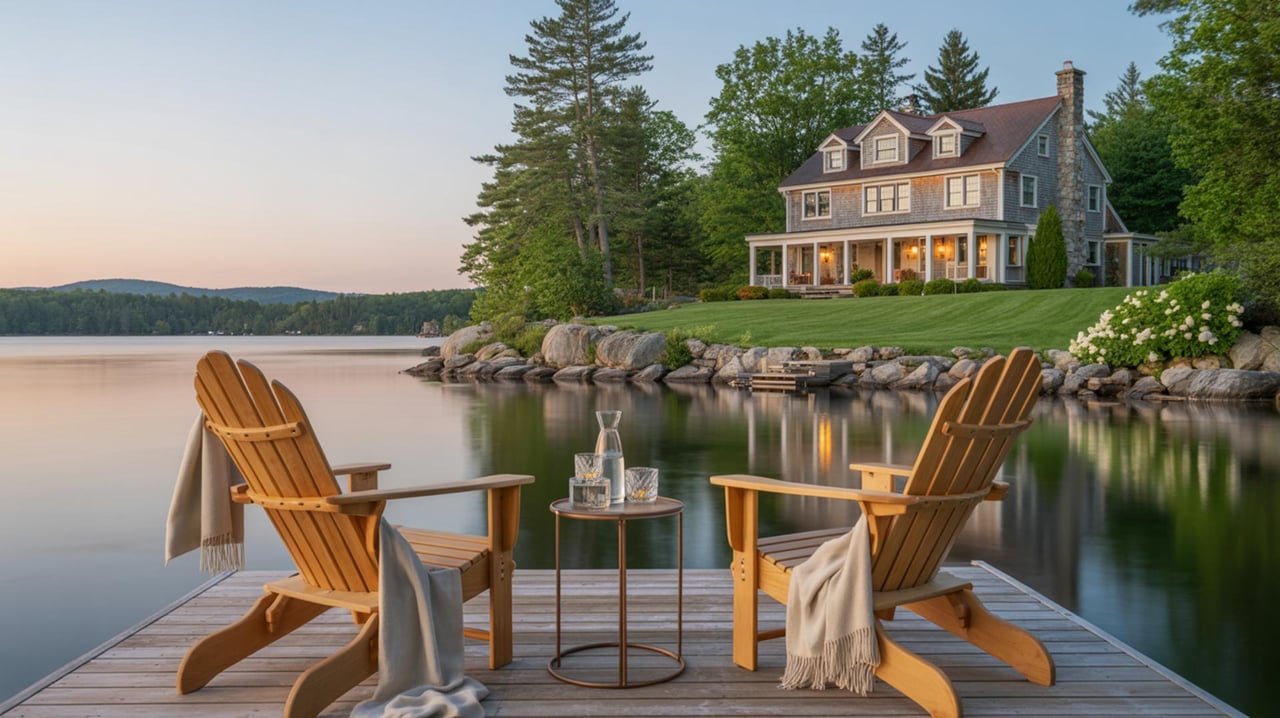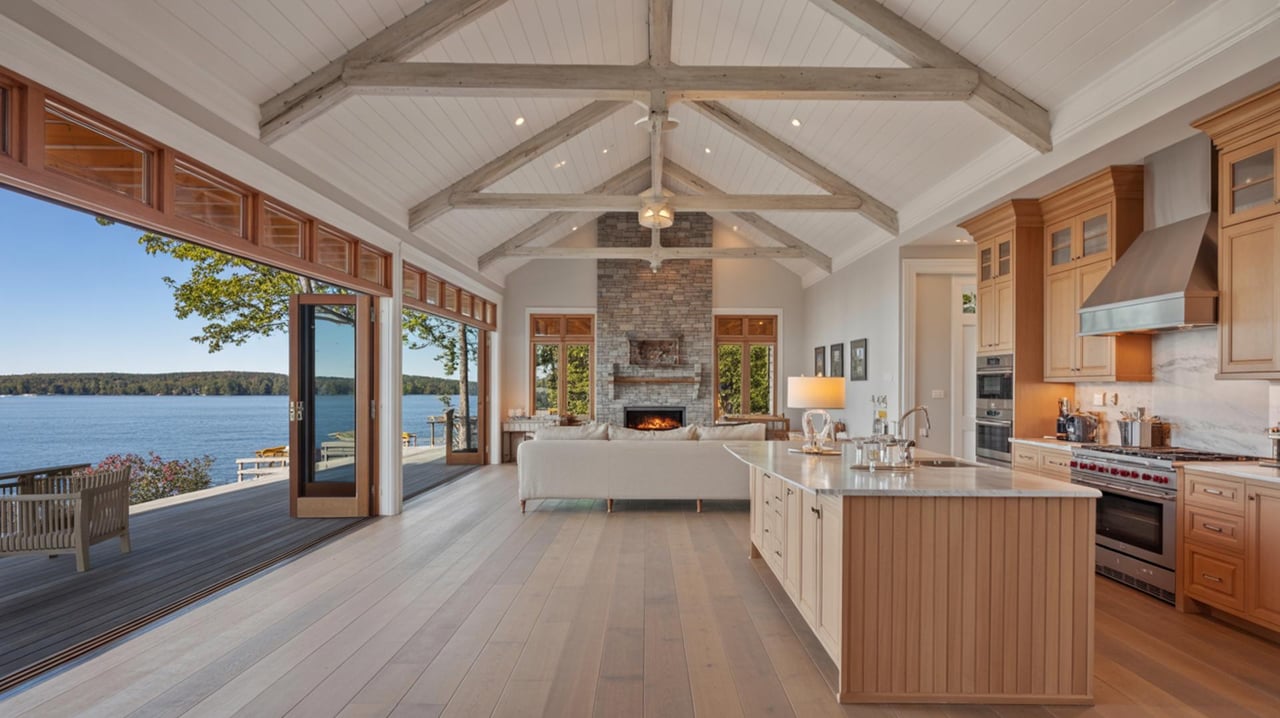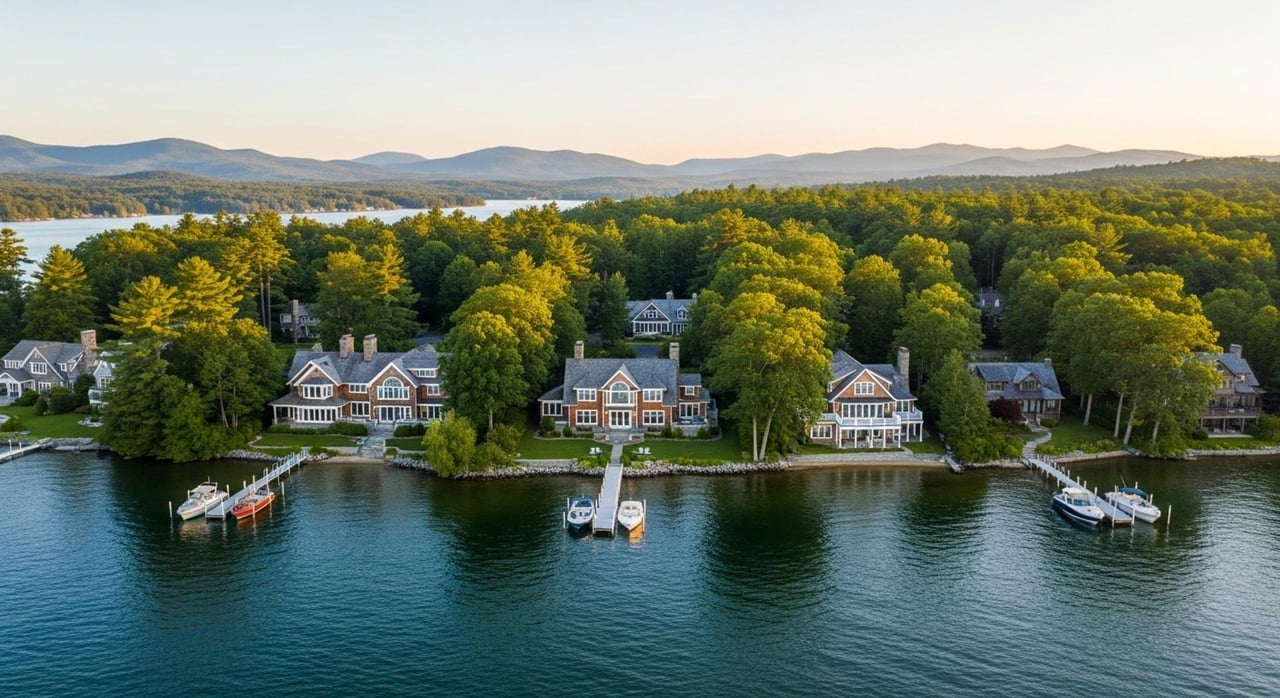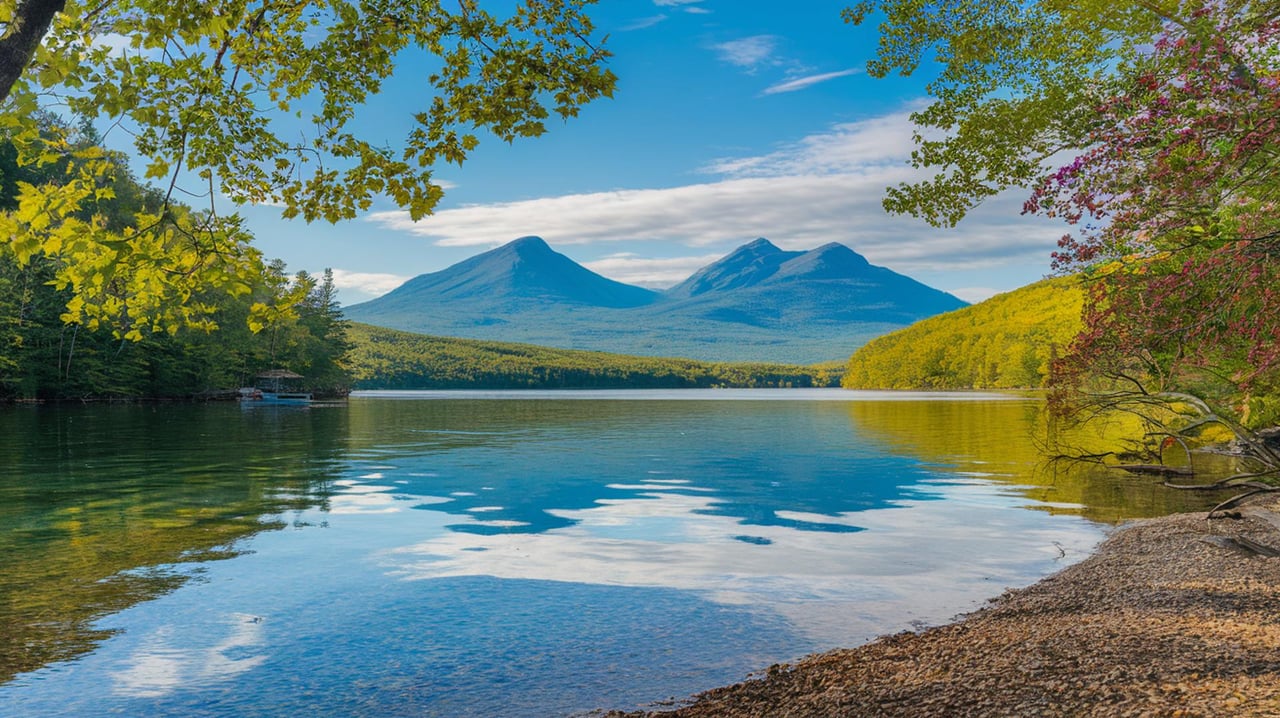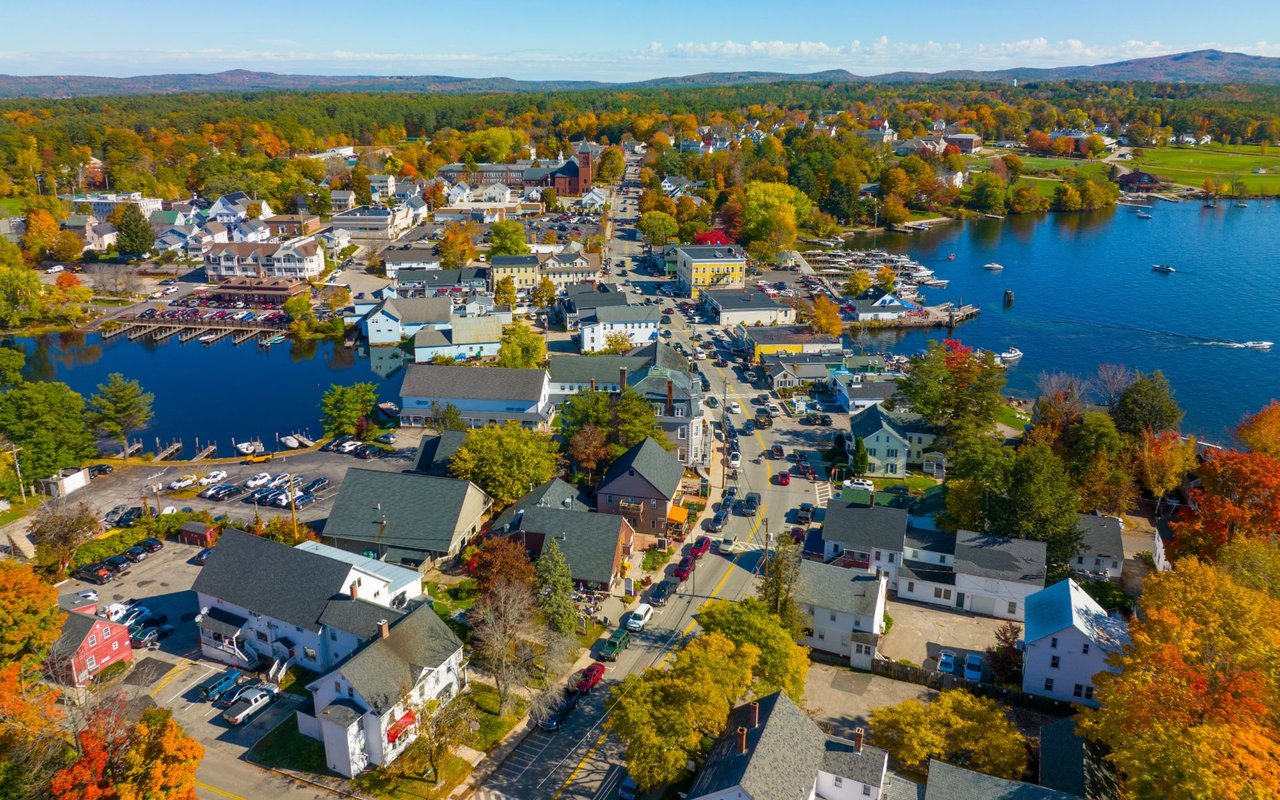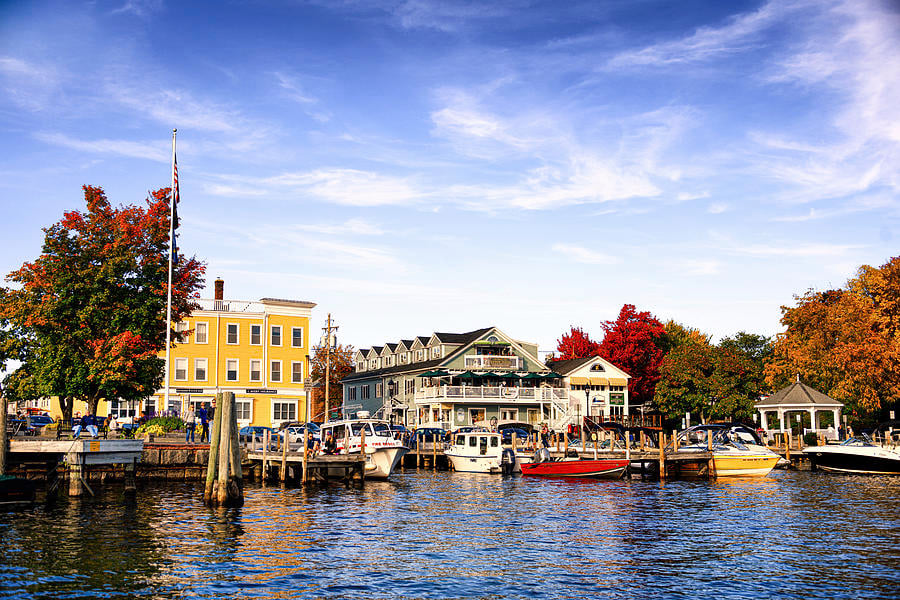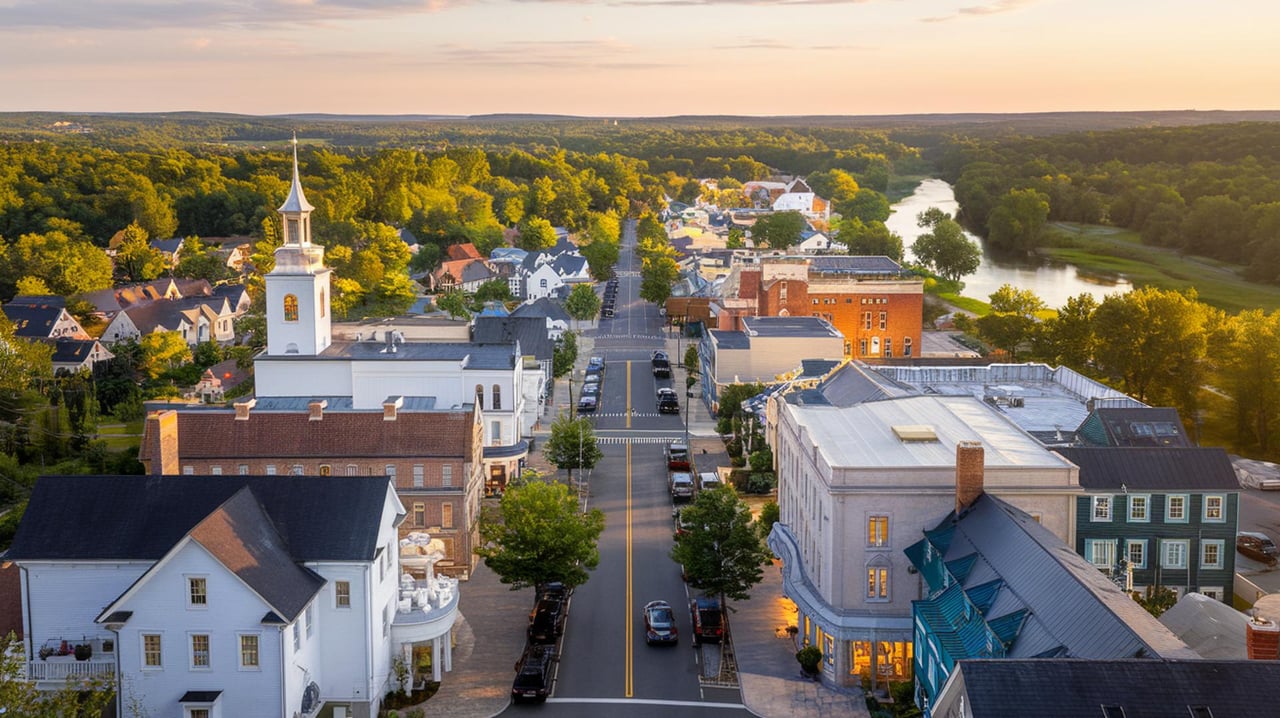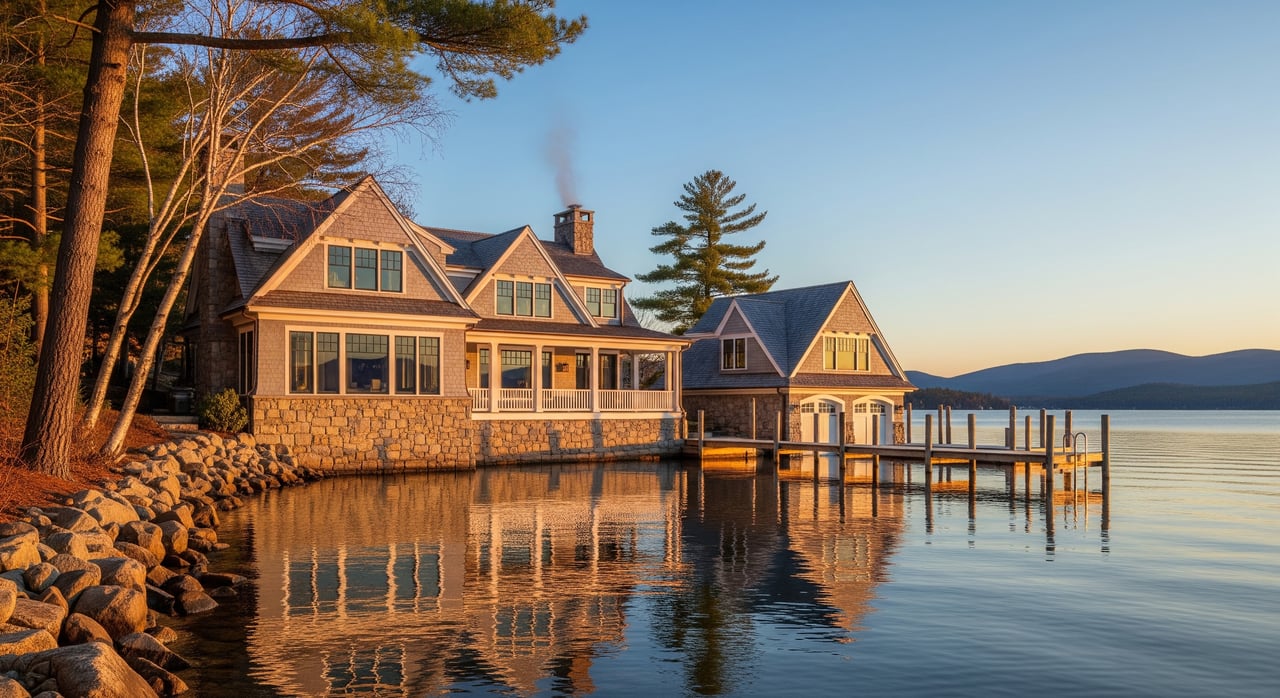
Thinking about making Lake Winnipesaukee your full-time address instead of a summer escape? You’re not alone. More buyers and longtime second-home owners are choosing to live here through all four seasons, drawn by small-town charm, big-lake scenery and a slower, outdoor-focused lifestyle. In this guide, you’ll learn what year-round living really looks like in Meredith, Center Harbor, Moultonborough, Tuftonboro, Wolfeboro, Alton, Gilford and Laconia, plus practical tips on utilities, roads, rules and costs. Let’s dive in.
What year-round life looks like
Summer rhythm
June through early September is the busiest time on the lake. Weekends fill with boat traffic, marina activity and visitors at places like Weirs Beach in Laconia. Restaurants and shops run at full capacity, and seasonal businesses hire up. You will enjoy wide service availability and lots of social energy, especially in waterfront districts and town centers.
Expect traffic on Routes 3, 11 and 25, especially on holiday weekends and during large events like Laconia Motorcycle Week. Boat launches and marinas get crowded midday. If you prefer quieter water, head out early morning or later afternoon, and learn the calmer coves and channels.
Fall slowdown
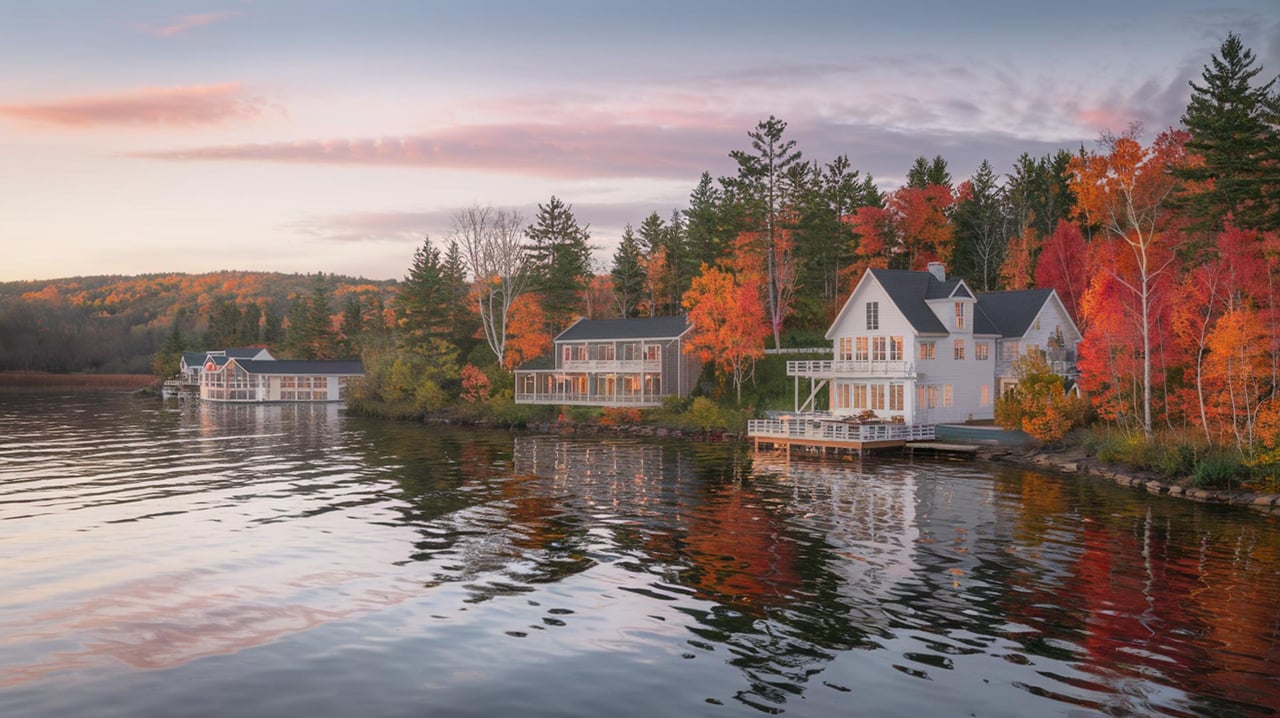
After Labor Day, things shift quickly. October brings peak foliage and postcard-worthy hikes, then many seasonal businesses scale back or close by mid-month. Towns become a little quieter, lines get shorter and you can enjoy calm water for paddling.
This is also when local budgets and winter prep start to shape services. You will see crews organizing road maintenance, shoreline projects and dock removals. It is a great time to schedule home repairs or order winter fuel.
Winter quiet and play
From December through March, tourism is at its lowest and the lake turns to snow and ice. Residents embrace ice fishing, snowmobiling, cross-country skiing and snowshoeing. You will want reliable heating, fuel delivery and snow removal lined up before the first storm.
Response times for some services can be slower, and smaller towns often rely on volunteer fire and rescue. Stay aware of changing ice conditions and follow local guidance. Many residents use the season to connect through town events, library programs and indoor rec leagues.
Spring prep season
April and May bring thaw and mud. Unpaved roads can be rutted, so plan your travel and deliveries with a little extra time. Service providers ramp up, and you will see docks going in, boats coming out of storage and shoreline maintenance underway.
Early spring weather swings can affect commutes and construction schedules. It is a smart season to handle septic pumping, roof checks and shoreline erosion projects so you are set for summer.
Everyday logistics and costs
Housing choices and timing
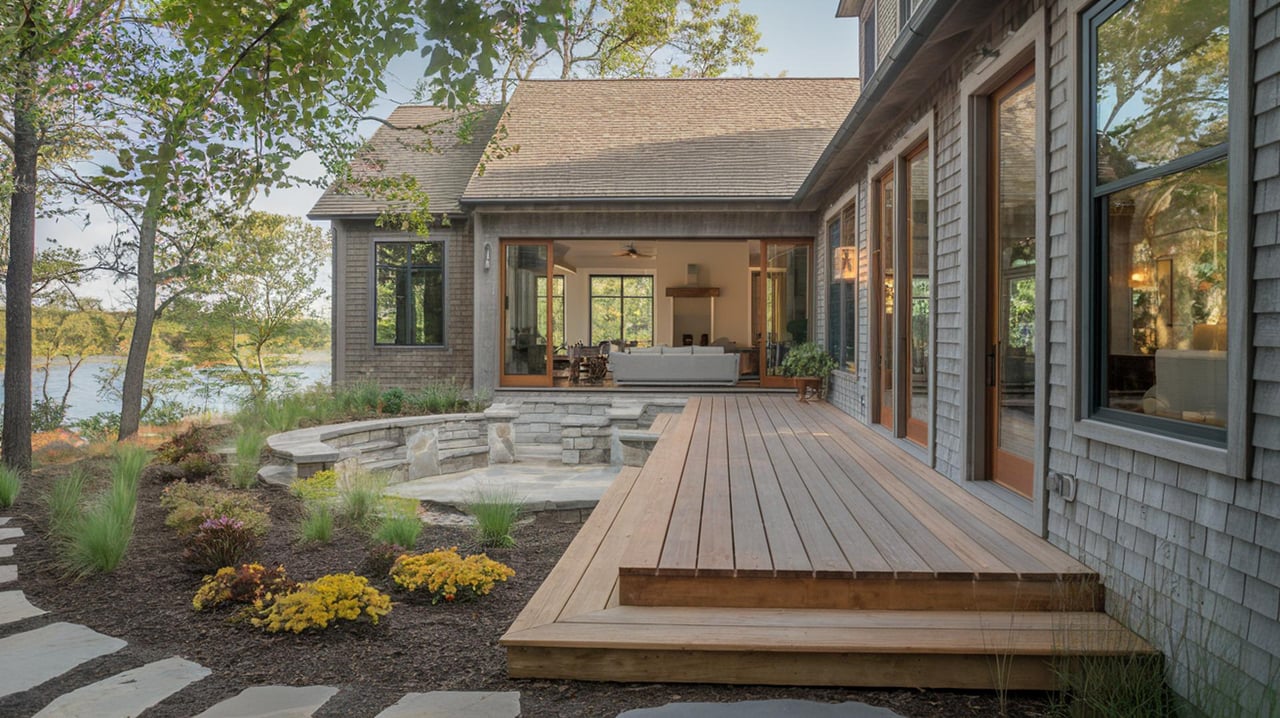
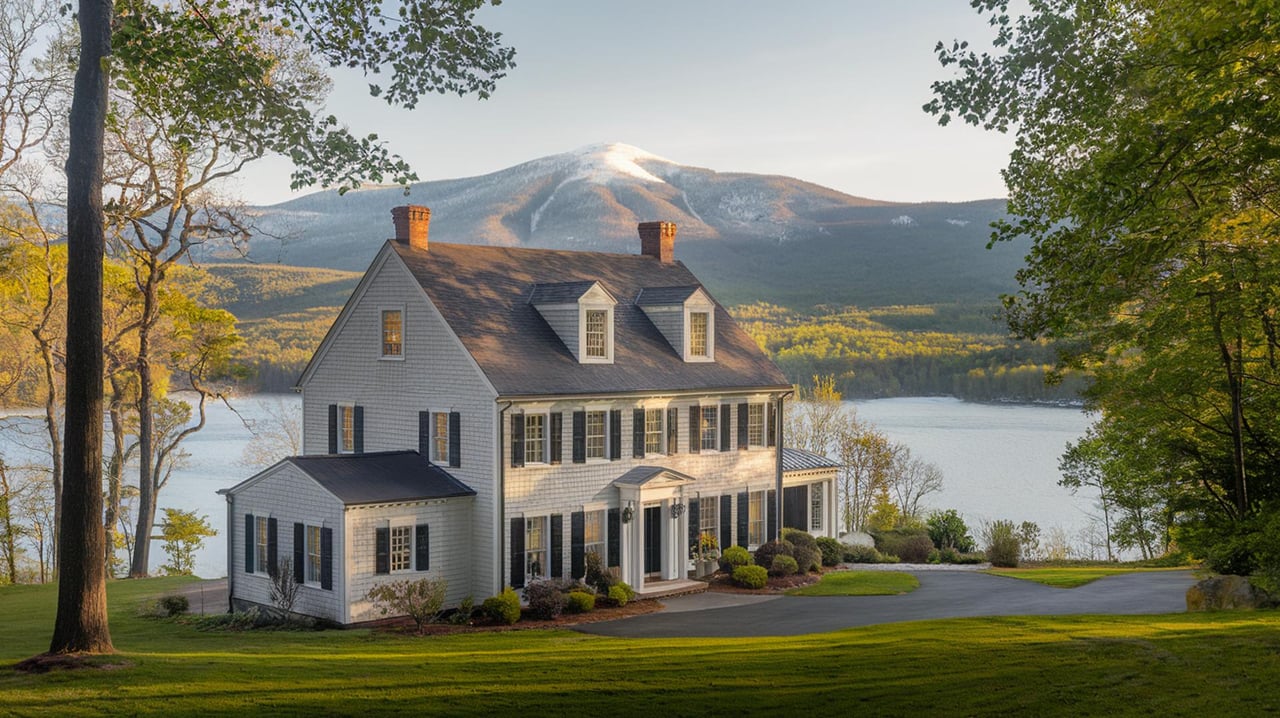
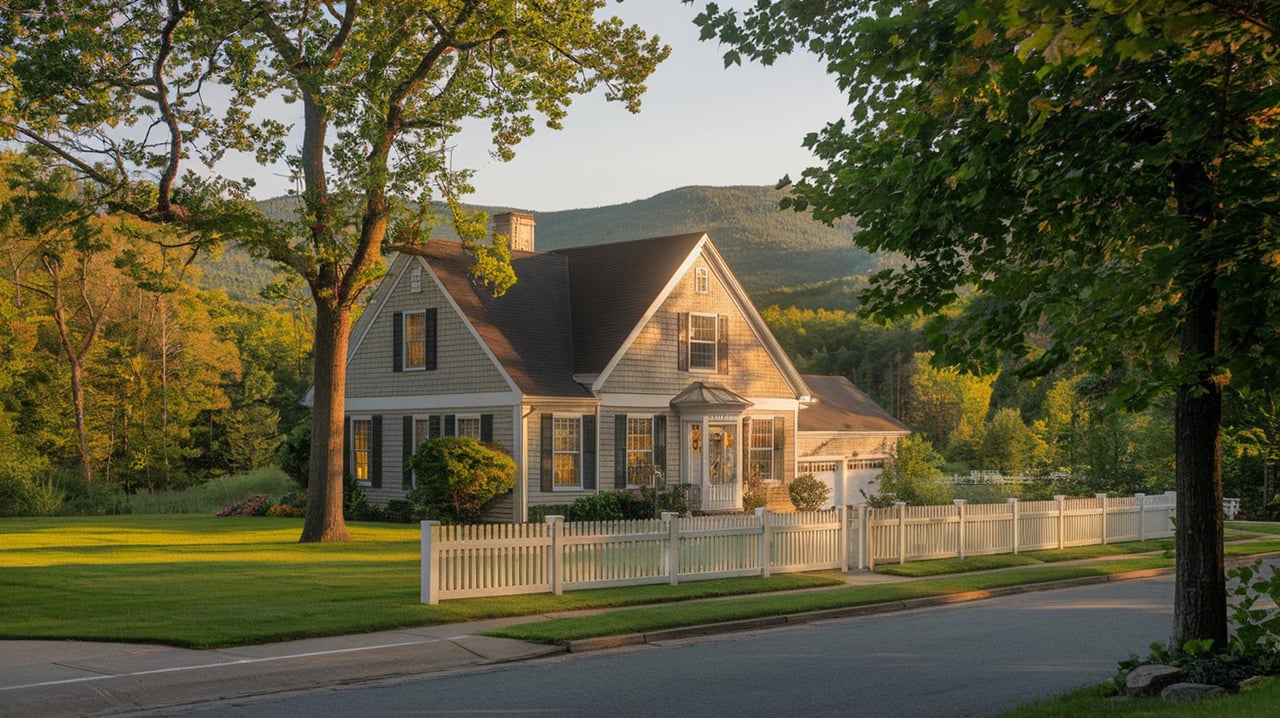
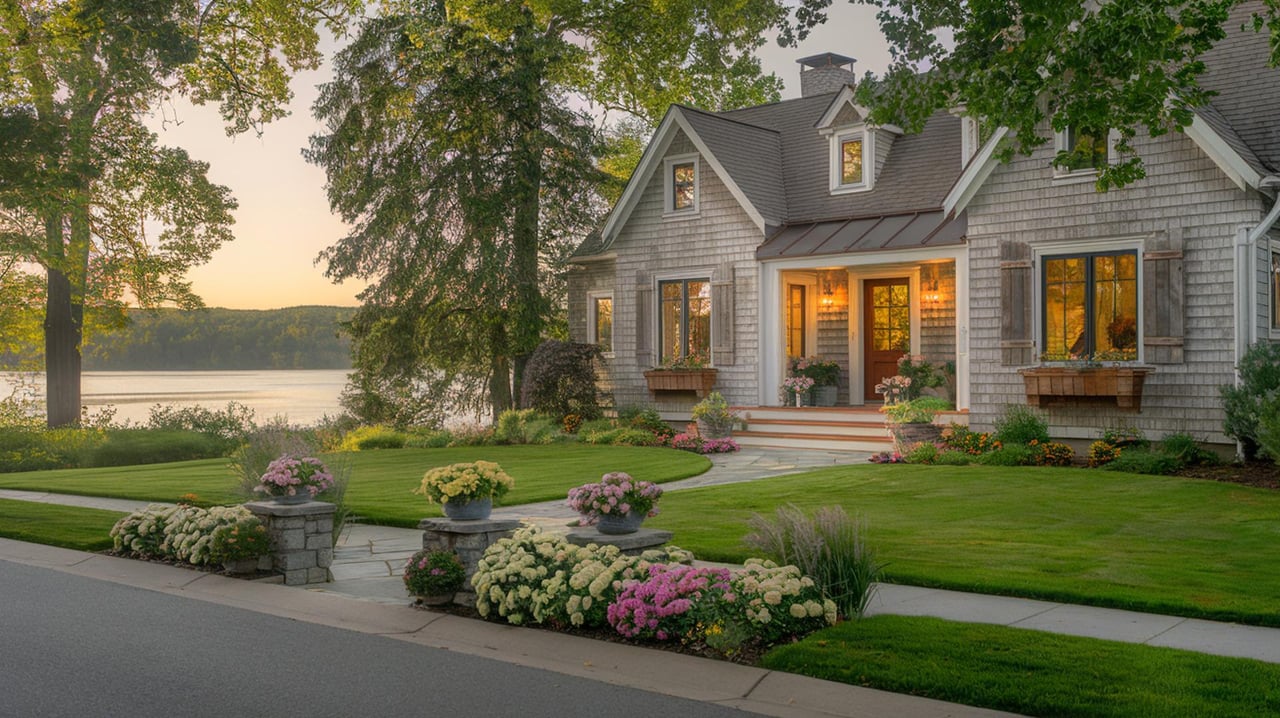
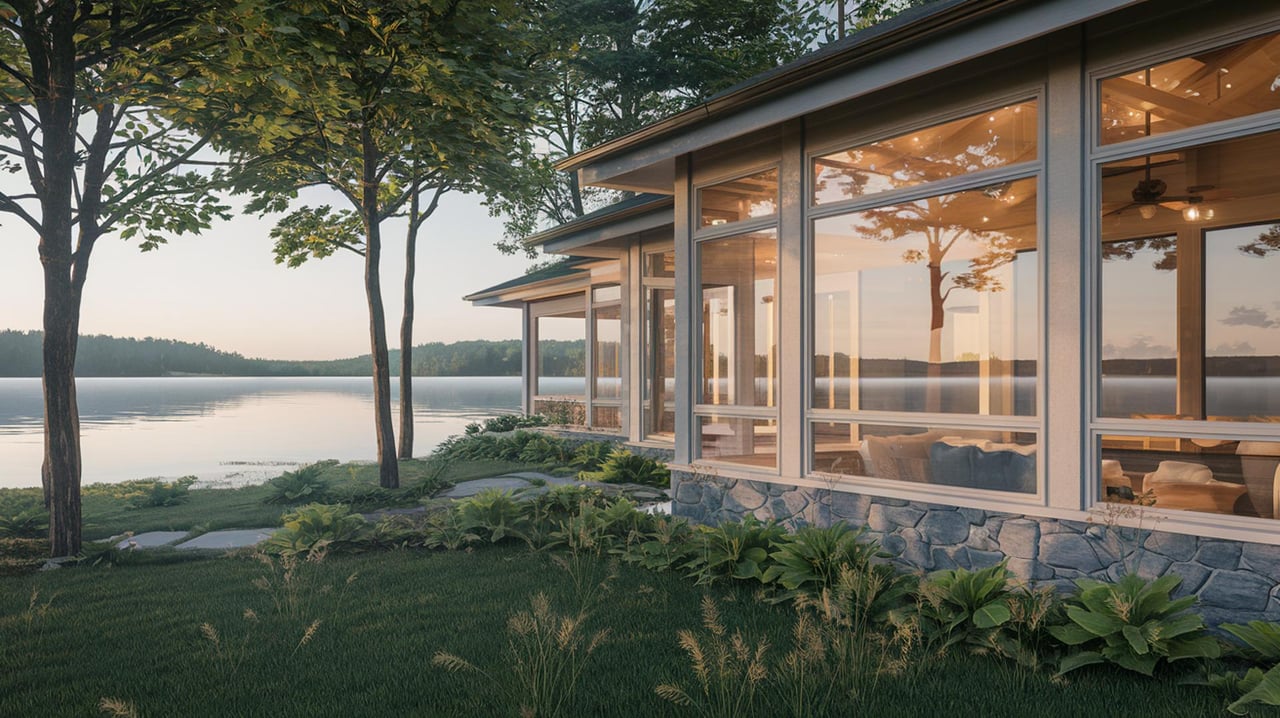
You will find a mix of historic cottages, modern waterfront estates, single-family homes inland and condos near town centers. Waterfront homes typically carry a premium and higher ongoing costs for docks, moorings and insurance. Inland options can offer value while keeping you close to marinas, beaches and town services.
Many sellers list in spring to catch peak buyer interest. If you are buying, late fall and winter can offer more negotiating room and fewer competing buyers. If you are selling, prepare for buyers to ask detailed questions about winter access, septic condition and dock rights.
Heat, water, power and internet
Most homes heat with oil, propane or natural gas where available. Many residents add wood or pellet stoves as a supplement. Plan ahead for winter fuel deliveries and annual system maintenance.
A large share of properties rely on private wells and septic systems. Budget for well water testing, septic inspection and routine pumping. Confirm whether a home is on town sewer, and factor in future repair or replacement costs as part of your long-term plan.
Electric service is generally reliable, but winter storms can cause outages. Broadband access varies by neighborhood. Central towns often have wired cable or fiber. Rural pockets may rely on DSL, fixed wireless or satellite, with Starlink becoming a common option. Cell coverage can be patchy in valleys and coves, so test it at the property you are considering.
Transportation and commuting
Commuting to Manchester, Concord or Boston is possible, though travel times increase with seasonal traffic. There is limited public transit, and major rail lines do not directly serve most lake towns. If you plan to commute, scout your route at different times of day and during high-season weekends.
Many residents work locally or remotely to reduce time on the road. Remote workers should confirm internet options, generator readiness and cell backup to keep work uninterrupted during storms.
Safety and healthcare
Emergency services vary by town, and many departments include volunteer responders. Learn your local coverage and the fastest route to care. The region has hospitals and urgent care options in Laconia, Meredith and nearby communities. For specialized care, residents typically travel to larger centers in Manchester, Concord or Lebanon.
Rules on the water and shore
Boating and safety basics
Boating is central to life here. Powerboating, sailing, paddling and watersports are common, and peak boat traffic hits at midday and on holiday weekends. Boaters must follow New Hampshire boating laws and registration. Safety courses are recommended, and rules are enforced by New Hampshire Fish and Game and the New Hampshire Department of Safety Marine Patrol.
Docks, moorings and town permits
Mooring and dock permits are handled locally through town offices or a harbormaster, and rules and fees differ by town. If a property includes dock or mooring rights, get clear documentation. Ask about seasonal removal and installation, winter storage and any restrictions on size or configuration.
Shoreland protection and flood zones
New Hampshire and local towns regulate work along the shoreline. Septic setbacks, shoreline alteration and dredging require approvals. Buyers should also check FEMA flood zone designations and insurance implications for their specific lot. Waterfront exposures can increase insurance premiums and deductibles.
Short-term rental rules
Short-term rental ordinances vary by town. Some require registration, inspections or local tax collection. If you are counting on rental income, confirm the rules before you buy and understand that regulations can change.
Community, recreation and amenities
On-the-water lifestyle
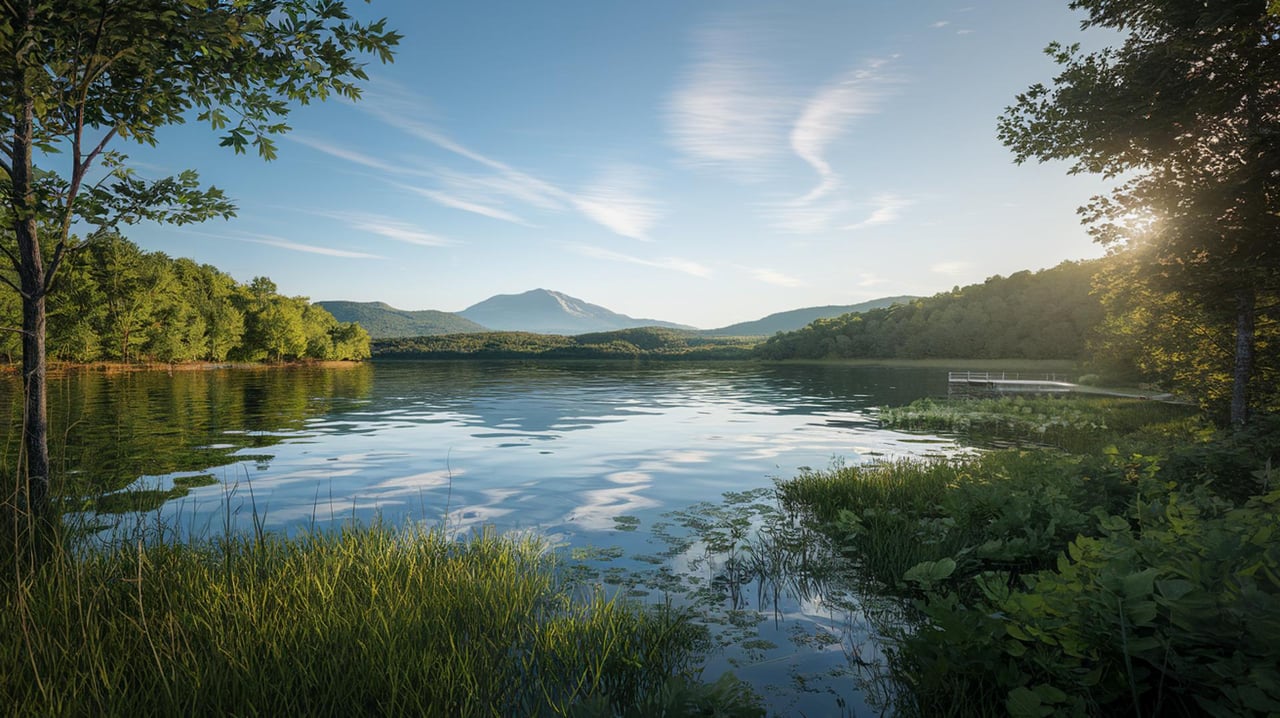
From sunrise paddles to sunset cruises, life revolves around the water. Public and private marinas ring the lake, with launch options spread across towns. The MS Mount Washington adds a festive backdrop in peak season, and local mooring fields fill with families enjoying long summer days.
If you prefer quieter moments, early mornings are ideal for paddling, fishing or sailing. Learn local navigation in narrower channels and popular coves to keep your outings smooth and safe.
Winter fun and trail networks
Winter brings ice fishing shacks, snowmobile clubs and quiet trails for skiing and snowshoeing. Many residents look forward to this season for the calm and the tight-knit community feel. It is a good time to explore land trust properties and nature preserves that offer four-season access.
Dining, shopping and services
Town centers like Meredith and Wolfeboro offer restaurants, boutique shops and daily essentials. Laconia and the Manchester and Concord corridors provide larger shopping and specialty services. In shoulder seasons, some businesses reduce hours, so plan ahead for appointments, seasonal gear and contractor scheduling.
Events and local clubs
Farmers’ markets, summer concerts, fireworks, fairs and town celebrations bring people together throughout the year. Larger draws like Motorcycle Week in Laconia create major activity hubs. Community groups, historical societies, boating clubs and conservation organizations add depth to local life and help steward the shoreline.
Buyer tips and checklists
Before you buy
- Review town ordinances for docks, moorings, septic systems and short-term rentals.
- Order well water testing and a septic inspection or pump and inspect.
- Confirm broadband and cell coverage that fit your work and lifestyle needs.
- Check FEMA flood maps and discuss insurance costs with your carrier.
- Evaluate year-round road maintenance and snow removal options for the street and driveway.
First-winter checklist
- Service your heating system and schedule fuel deliveries.
- Line up a reliable snow removal contractor, and mark driveway edges.
- Winterize boats and docks, including removal or ice protection as required.
- Register for local emergency alerts and confirm generator readiness if you have one.
- Meet neighbors and your local harbormaster to learn area norms and tips.
Questions to ask sellers
- What are the exact dock or mooring rights and permit status?
- How is winter access handled for the road and driveway?
- When were the septic and well last serviced or tested?
- Any history of ice, flood or shoreline erosion issues?
- Who are the trusted local vendors for fuel, plowing and boat service?
Seller insights
Best times to list
Spring and early summer align with the highest buyer interest for lake homes. If you list in fall or winter, you may face less competition and attract buyers who are serious and schedule-flexible. Whichever season you choose, crisp photography, clear disclosures and strong staging help your home stand out.
What buyers care about
Year-round buyers will focus on winter access, septic condition, dock and mooring rights, shoreline setbacks and insurance risk. Provide maintenance records, permit documentation and utility details upfront. Clear answers build confidence and can speed negotiations.
Is year-round right for you?
Lake Winnipesaukee living is a four-season experience with distinct rhythms. Summer brings energy and visitors. Fall trades crowds for color and calm. Winter rewards preparation with quiet beauty and community connection. Spring is your reset, with projects, planning and anticipation.
If the idea of planning around seasons, embracing outdoor life and learning local rules appeals to you, living here year-round can be deeply rewarding. When you are ready to explore towns, neighborhoods and property types that fit your life, connect with the trusted local guide who can help you navigate every step.
Ready to talk next steps or get a price on your current home? Reach out to Janet Sienko for local guidance, stress-reducing process and results that protect your goals.
FAQs
What makes year-round life on Lake Winnipesaukee different from a vacation stay?
- You will plan around four distinct seasons, line up winter services like fuel and plowing, and learn town rules for docks, shoreland and short-term rentals.
How reliable is internet and cell service around the lake?
- It varies by town and neighborhood. Central areas tend to have wired options, while rural pockets often use DSL, fixed wireless or satellite. Test coverage at the property.
Are winters isolating if I live in a smaller lake town?
- Many residents live here all year. With good heating, snow removal and a plan for storms, winter is manageable and offers strong community connection.
What extra costs should I expect for waterfront homes?
- Budget for dock or mooring maintenance, higher insurance for waterfront exposure, seasonal boat care and potentially higher property taxes.
Can I use short-term rentals to offset ownership costs?
- Maybe. Rules differ by town and can include permits, inspections and tax collection. Confirm local ordinances before assuming rental income.
What inspections are most important for lake-area homes?
- In addition to a standard home inspection, arrange well water testing, a septic inspection, and checks for water or ice intrusion risks around the shoreline.