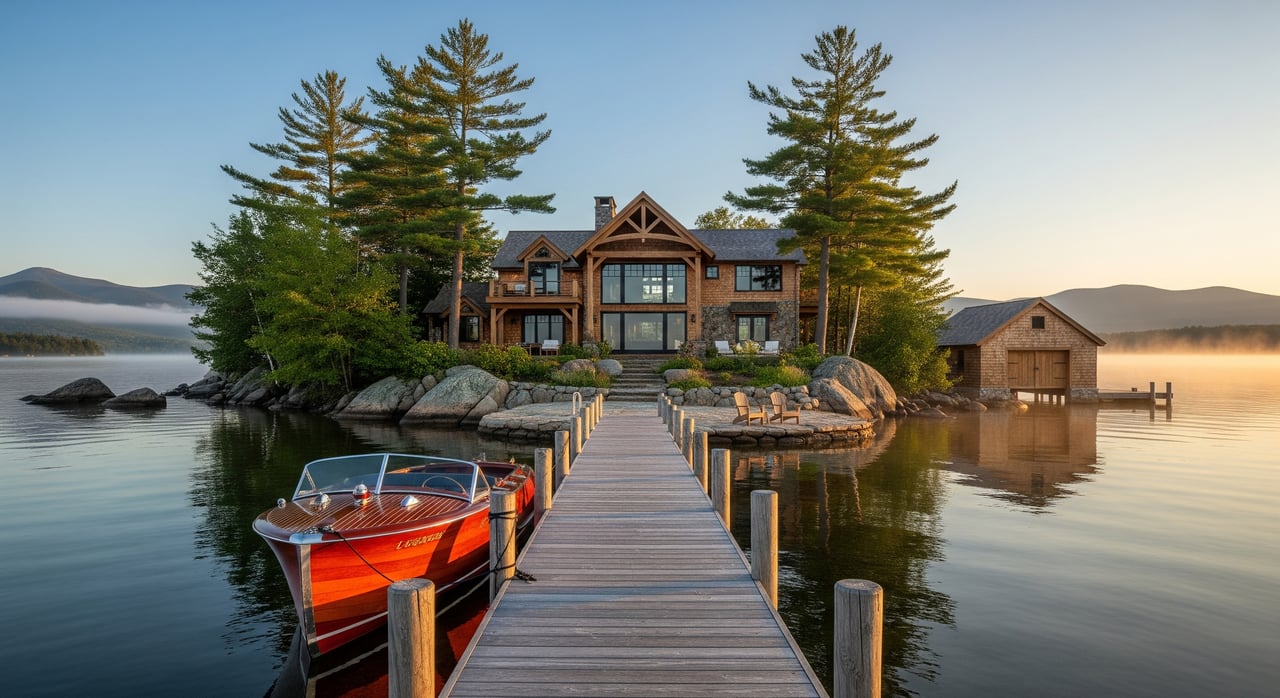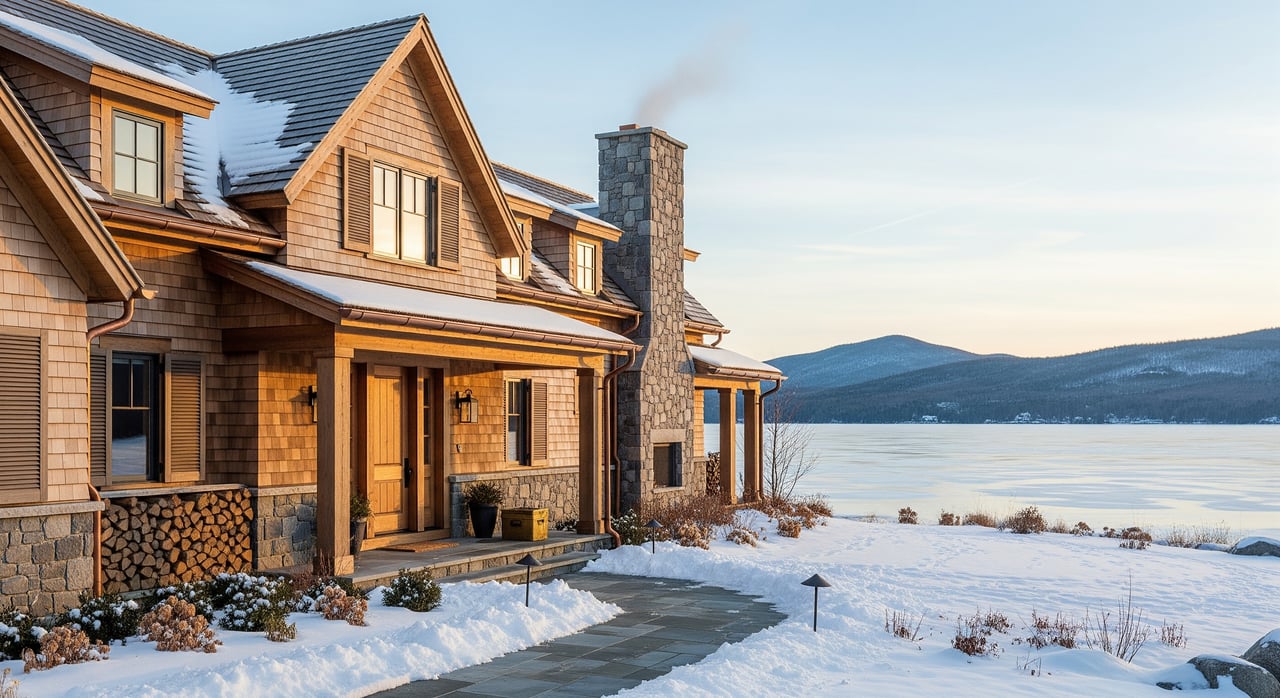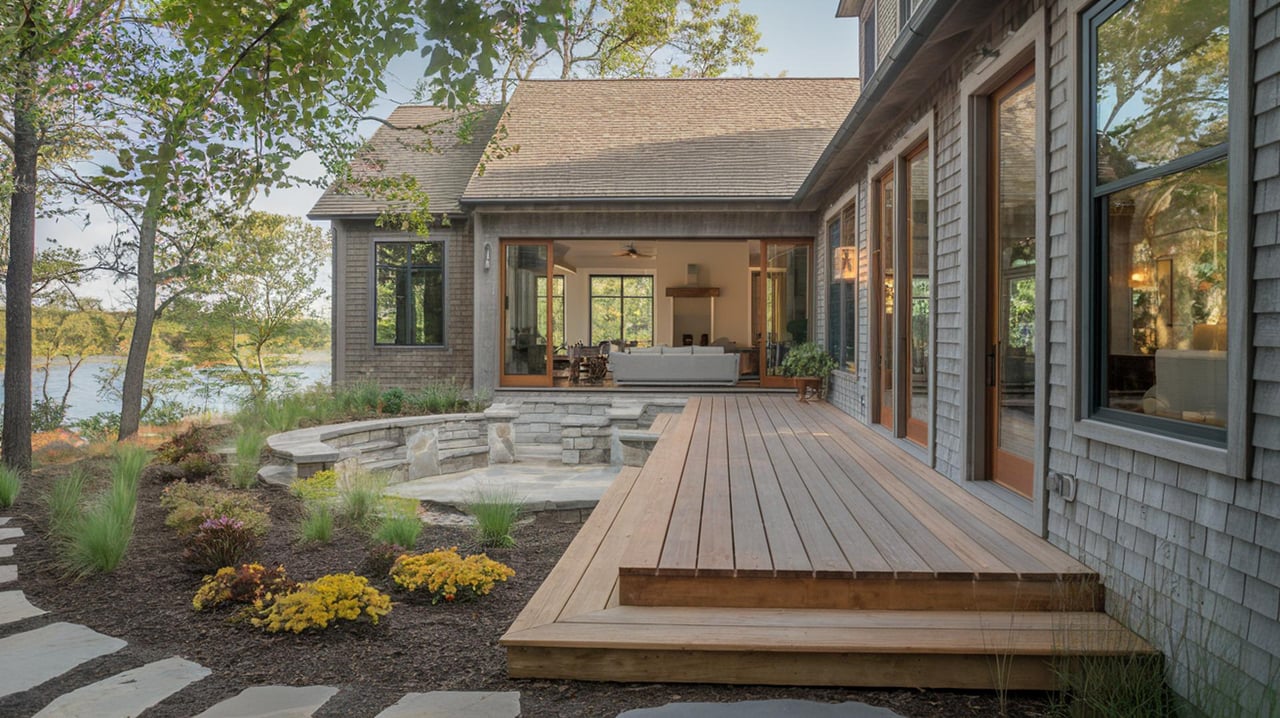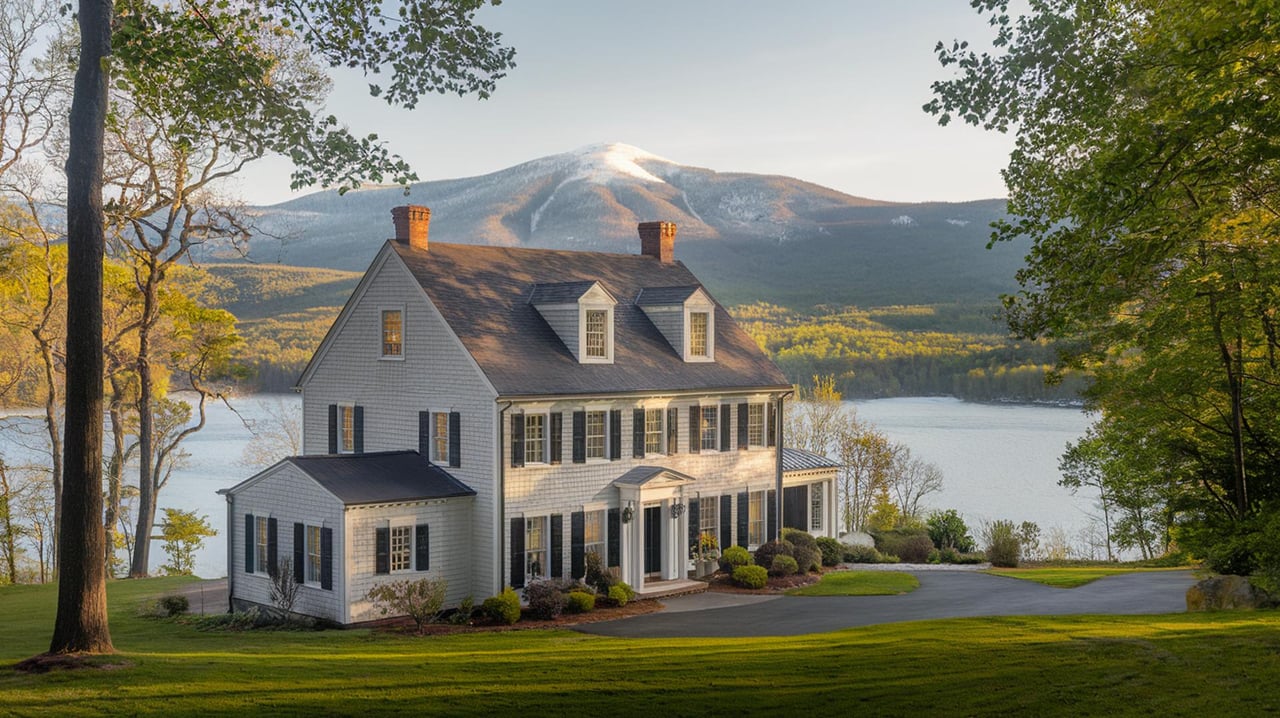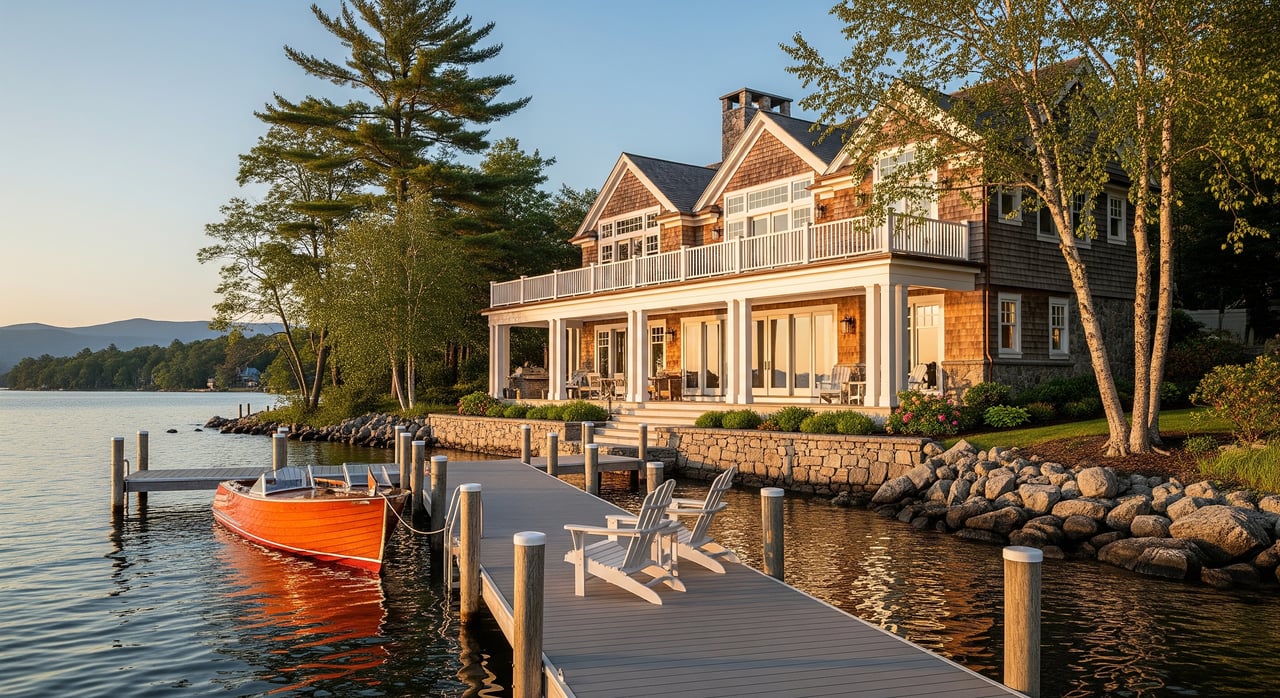
Buying a second home in Moultonborough from another state can feel like juggling details you can’t see. You want clear steps, trusted local help, and confidence that nothing gets missed between offer, inspections, and closing. This guide walks you through a predictable, project‑managed process for buying remotely in Moultonborough, with practical checklists and tips tailored to lakeside living. Let’s dive in.
How remote buying works here
Moultonborough sits on Lake Winnipesaukee and nearby ponds, with a mix of waterfront cottages, camp conversions, and year‑round homes. Many properties rely on wells and septic systems, and some roads are private or seasonal. Buying from afar means you need strong virtual showings, thorough inspections, and a closing plan that works without you on site. With the right team and timeline, you can complete everything from your home office and arrive to turn the key.
Stage A: Intake and pre‑search
Start by defining how you plan to use the property and what constraints matter most.
- Clarify goals and use: vacation now, occasional rental, or future full‑time living. Identify your occupancy season and must‑haves like lakefront, dock rights, garage, or heating type.
- Confirm financial readiness: get pre‑approved or prepare proof of funds. Budget for property taxes, insurance, and seasonal costs such as winterization and fuel.
- Authorize representation and signatures: sign a buyer’s agency agreement and set up secure e‑signing. If you cannot attend closing, discuss a limited Power of Attorney option with your closing attorney.
Stage B: Remote search and evaluation
Once your criteria are set, your agent curates listings and builds a complete picture of each property.
- Listing filters to prioritize: year‑round road access, septic type and age, well details, shoreline status, and deeded dock rights if relevant.
- Virtual showings you can trust: live video tours, recorded walkthroughs you can replay, 3‑D scans when available, and drone footage to show roof, lot slope, and waterfront orientation.
- Document packet to request: survey or plot plan, deed, recent tax bills, septic design and pump records, well pump information and any water test results, seller disclosures, and association covenants if applicable.
These tools help you compare homes as if you were here in person and quickly narrow to a short list.
Stage C: Offers and contracts from afar
When you are ready to write, your offer should protect your interests and allow enough time for remote logistics.
- Purchase and sale details: set a clear earnest money amount and who will hold it. Outline inspection periods and remedies. Include septic and well contingencies, plus shoreline conditions for lake properties.
- Electronic signing: use a secure e‑signature platform. If notarization is needed, plan for a mobile notary, a limited Power of Attorney, or another approved method your closing team supports.
Stage D: Due diligence and inspections
A strong inspection plan is your best risk control in a lakeside market with older systems and varied terrain.
- General home inspection: structure, roof, electrical, plumbing, heating fuel system, and any moisture or mold red flags.
- Septic evaluation: review design, capacity, and function. A dye test or full evaluation is common for lake area homes.
- Well water testing: bacteria and coliform, nitrates, and lead if relevant, plus a flow and capacity check.
- Shoreline review for waterfront: confirm dock permits, setbacks, erosion control, and any encroachments.
- Radon testing: recommended due to known elevated areas in New Hampshire.
- Pest inspection: especially important for older structures.
- Chimney and woodstove: assess safety and draft if wood heat is in use.
- Environmental checks: look for underground fuel tanks, verify floodplain status, and identify wetlands buffers.
Your agent coordinates access, schedules vendors, and translates reports into an actionable repair or maintenance budget you can understand.
Stage E: Title, survey, and town checks
Tidy title and accurate boundaries matter even more on the water.
- Title search and commitment: review deed restrictions, easements, and covenants early.
- Survey verification: confirm lot lines, setbacks, and dock placement for waterfront parcels.
- Town records and road status: review assessor records for tax history and permits, and verify whether the road is public, private, or seasonal along with plow responsibilities.
- Short‑term rental and zoning rules: if you plan to rent, confirm current municipal requirements and any association rules before assuming income.
Stage F: Closing and escrow logistics
Remote closings are common when coordinated correctly.
- Closing team: in New Hampshire, many buyers use a local closing attorney or title company to hold escrow, prepare documents, coordinate recording, and disburse funds.
- Funds and insurance: secure a homeowner’s insurance binder and follow wiring instructions from the closing entity. Always verify wire details by phone using a known number to prevent fraud.
- Remote signing options: schedule a mobile notary, use a limited Power of Attorney, or explore remote online notarization if supported by the closing attorney and recorder.
- Final walkthrough: have your agent conduct a live video walkthrough the day before closing, with photos or recordings for your file. If an item needs attention, address it through a written agreement or a short escrow holdback if appropriate.
Stage G: Post‑close concierge handoff
Your goal is a turnkey arrival. A coordinated handoff sets you up for an easy first stay.
- Utilities and services: arrange electric, propane delivery, septic pumping schedule, and internet based on what is available on your road.
- Keys and access: set up a lockbox or smart lock, and decide whether a local property manager will hold a spare key.
- Seasonal prep: winterize as needed to prevent frozen pipes, onboard a snow‑plow contractor, and set fuel deliveries for cold months.
- Property management: if you plan to rent or will be away frequently, coordinate cleaning, guest services, emergency maintenance contacts, and a simple owner playbook for vendors.
Moultonborough must‑knows for second homes
A few local realities help you buy with eyes wide open.
- Shoreline protections: dock work, retaining walls, and tree removal near the shore are regulated. Plan for permits and keep vegetation rules in mind when budgeting improvements.
- Wells and septic: many properties are on private systems. Testing and capacity review are essential, and older systems may need upgrades.
- Flood and wetlands: waterfront parcels may be near FEMA flood zones, and wetlands buffers can affect site work. Confirm risks and insurance early.
- Seasonal or private roads: some roads are not town‑maintained. Verify year‑round access and who is responsible for plowing and repairs.
- Property taxes: New Hampshire relies heavily on property taxes. Review recent tax bills and the current local rate to estimate your carrying costs.
- Short‑term rentals: rules can change. Confirm town requirements and any association guidelines if rental income is part of your plan.
Budgeting and timeline
Plan both your time and your dollars before you write an offer.
- Typical timeline:
- Offer to acceptance: 0 to 7 days.
- Inspections and specialty tests: 7 to 21 days, often concurrent.
- Mortgage underwriting if financed: about 30 to 45 days.
- Closing: usually 30 to 60 days from acceptance, faster if both sides agree.
- Budget categories to expect:
- Multiple inspections and specialty tests.
- Potential septic upgrades for older lake properties.
- Winterization and annual maintenance contracts.
- Property management or concierge services if absentee.
Buyer checklists you can use
Stay organized with clear tasks at each stage.
- Pre‑offer checklist:
- Get pre‑approved or prepare proof of funds.
- Sign a buyer’s agency agreement and enable e‑signing.
- Decide on Power of Attorney if you will not attend closing.
- Confirm your must‑haves and seasonal use plan.
- Under‑contract checklist:
- Order a general home inspection and specialty tests for septic, well, radon, and shoreline as needed.
- Request survey, deed, tax bills, septic and well records, and any association docs.
- Start homeowner’s insurance quotes early.
- Verify closing method and notary plan.
- Pre‑closing checklist:
- Confirm wire instructions with the closing entity by phone.
- Schedule the final video walkthrough with your agent.
- Review the closing disclosure and title commitment.
- Arrange utility transfer dates and post‑close vendors.
How I coordinate everything for you
You should not have to chase inspectors, guess at shoreland rules, or wonder who holds the keys. As your Lakes Region buyer’s agent, I act as your project manager from first call to first weekend at the house. I curate listings, lead virtual tours, schedule and attend inspections, consolidate findings into a simple repair budget, and coordinate closely with your closing attorney or title company. I also set up utilities, vendors, access, and a practical seasonal plan so you can arrive ready to relax. When questions arise, you get clear options, local context, and steady communication.
If you are ready to explore Moultonborough remotely, reach out to Janet Sienko to start a plan that fits your timeline and comfort level.
FAQs
Can I close on a Moultonborough home entirely remotely?
- Often yes, using a mobile notary, a limited Power of Attorney, or another approved method, but confirm specifics with your closing attorney and the local recording office before you set a date.
What inspections should remote buyers prioritize for Moultonborough lake homes?
- Along with a general home inspection, prioritize septic evaluation, well water testing and flow, radon testing, shoreline and dock permitting review, and a chimney inspection if wood heat is present.
How do I safely handle earnest money and wire transfers in New Hampshire?
- Only follow wiring instructions from the closing entity and verify them by phone using a known number, not email, before sending any funds.
What should remote buyers know about seasonal or private roads in Moultonborough?
- Confirm year‑round access, who plows and maintains the road, and whether there are fees or agreements that affect your use and budget.
Are short‑term rentals allowed in Moultonborough homes?
- Rules vary and can change, so verify current municipal requirements and any association restrictions before assuming rental income is permitted.