Torn between a true waterfront home and a place with lake access on Lake Winnipesaukee? You’re not alone. The right choice depends on how you want to use the lake, what you want to spend, and how much maintenance you want to handle. In this guide, you’ll learn clear definitions, real lifestyle tradeoffs, town-by-town nuances, and a practical checklist so you can choose with confidence. Let’s dive in.
Quick definitions on Winnipesaukee
Understanding what you’re actually buying is the first step.
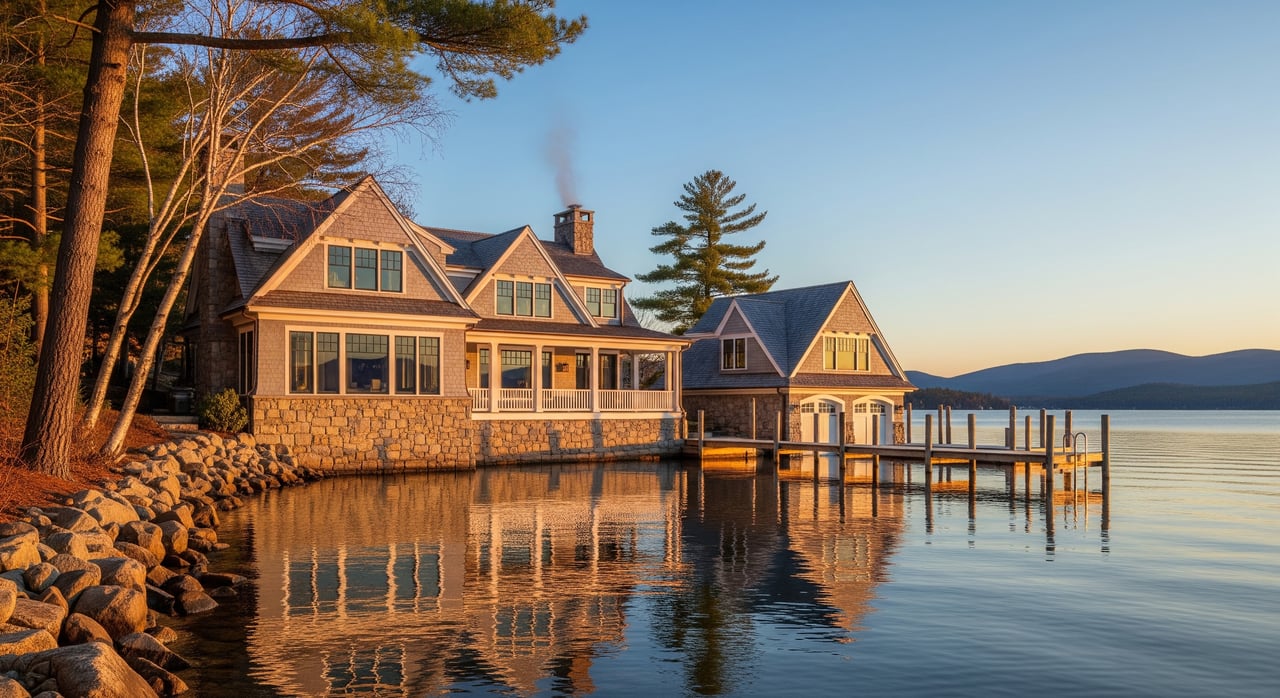
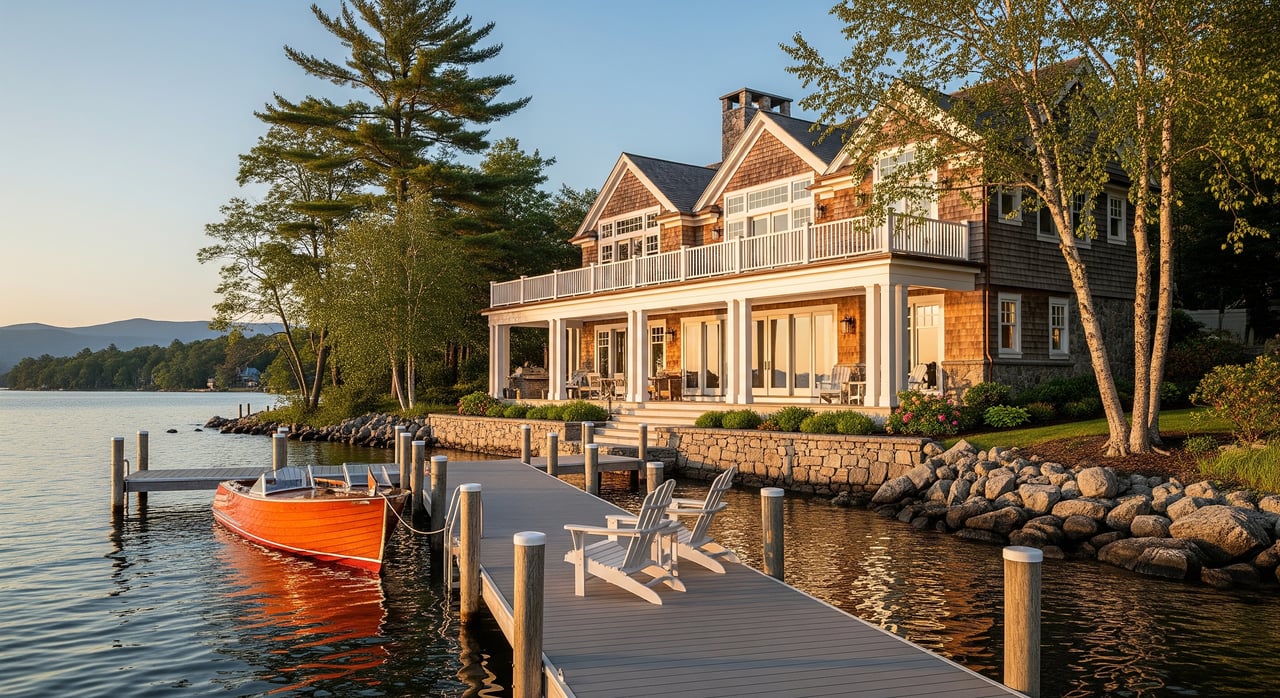
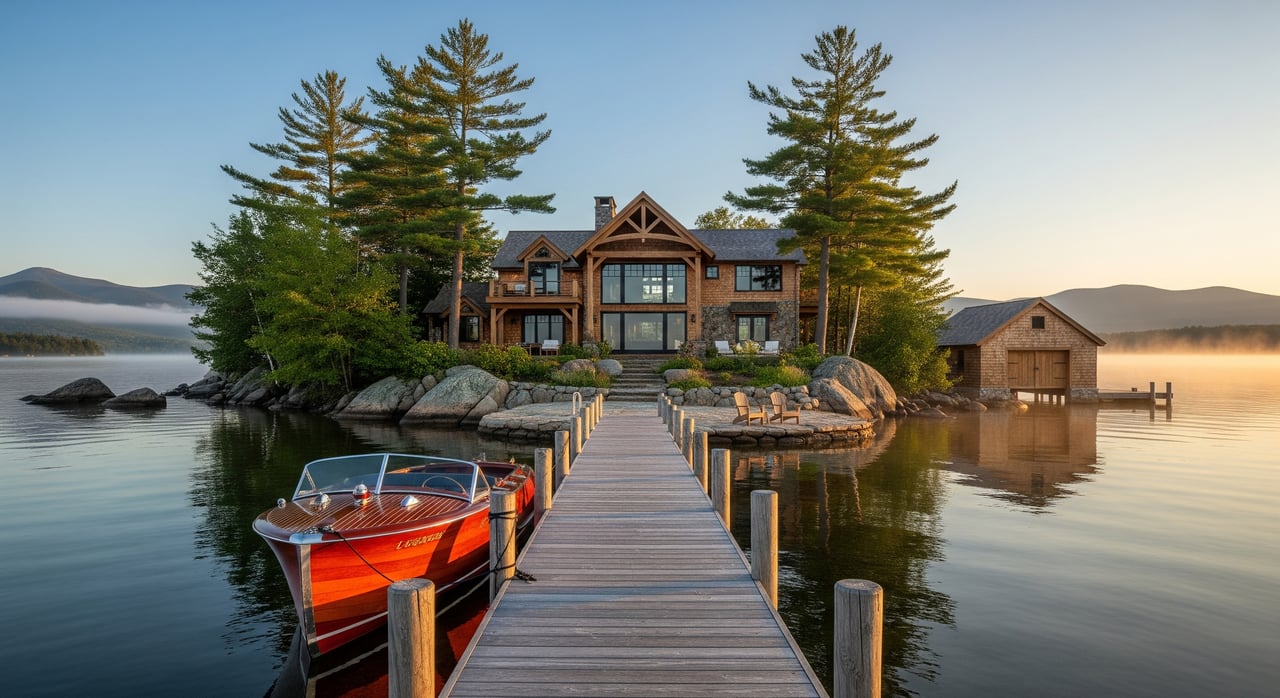
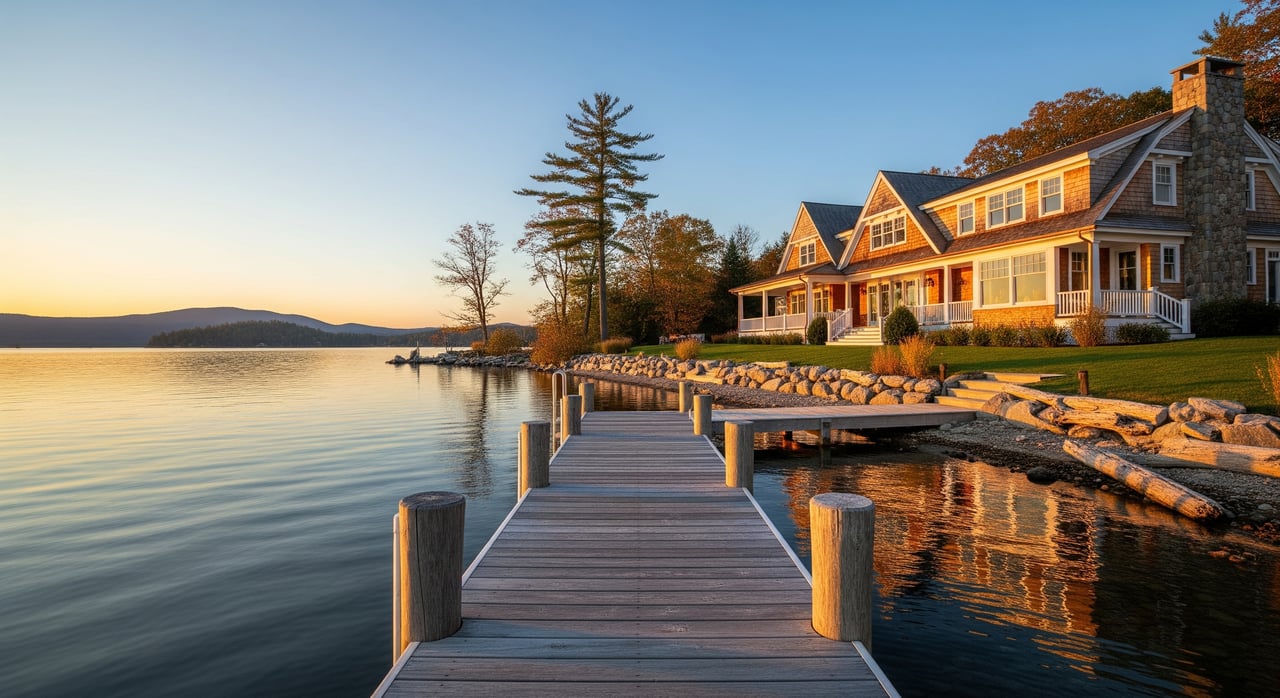
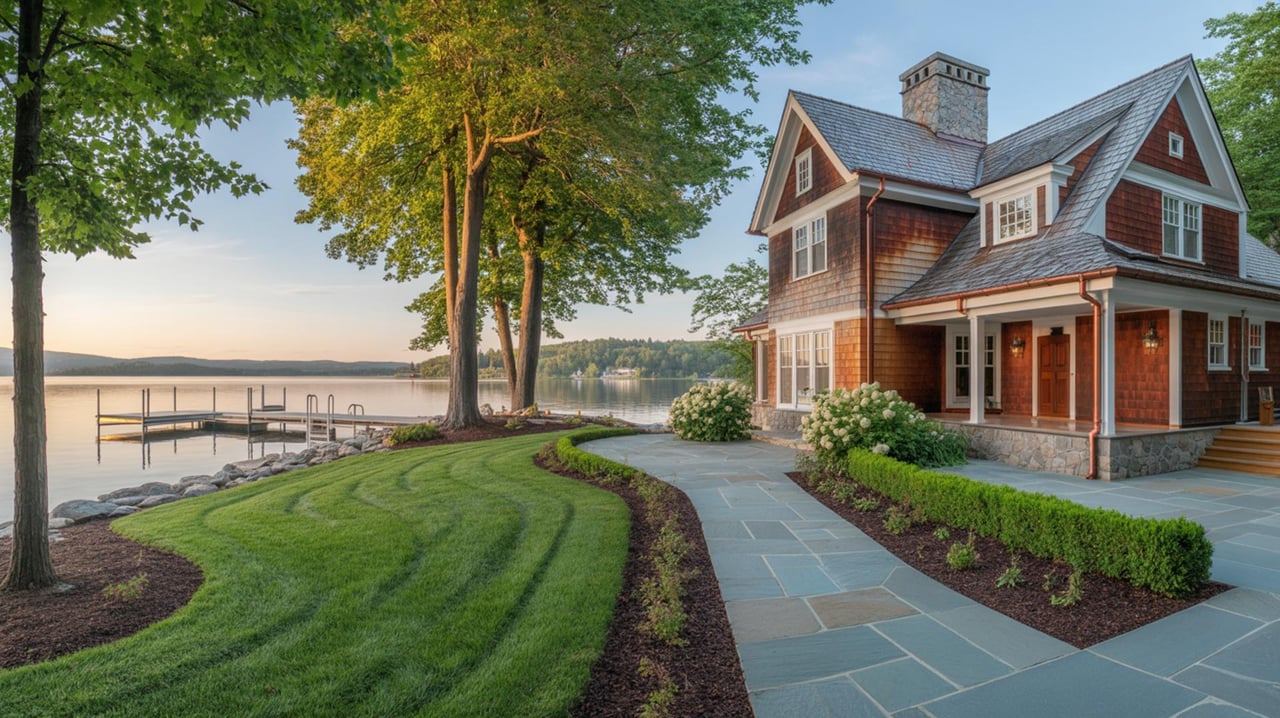
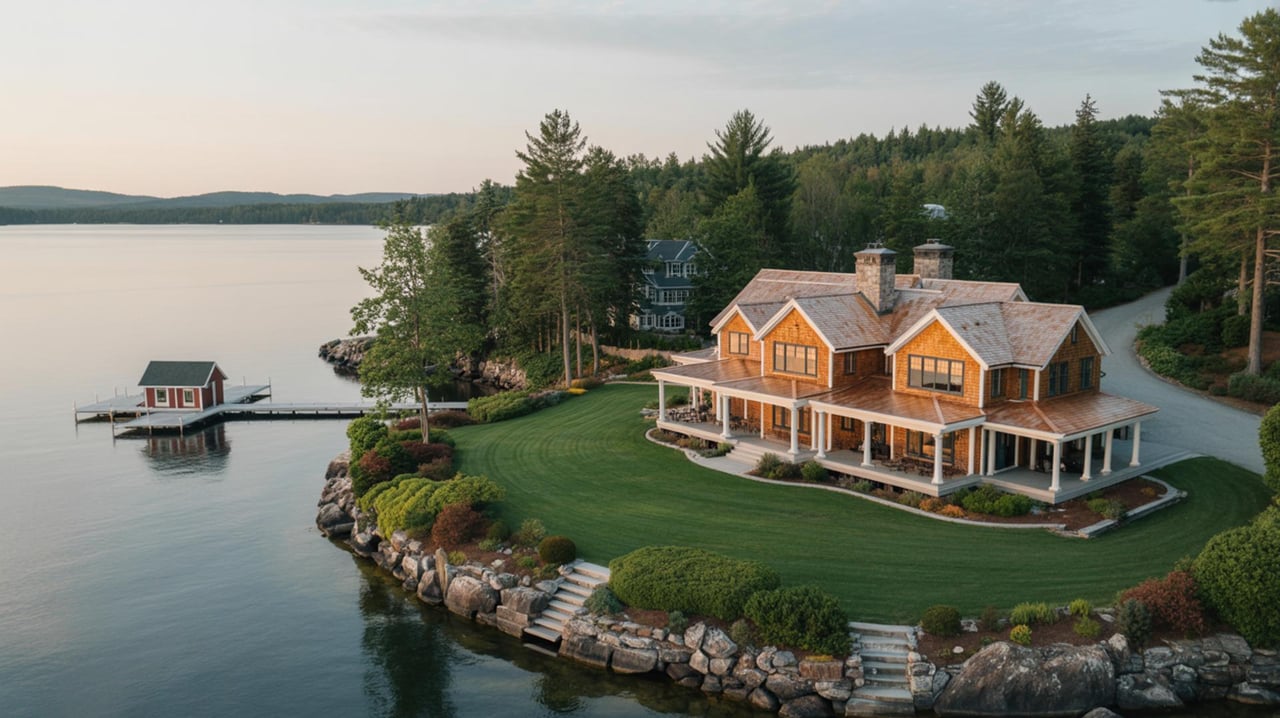
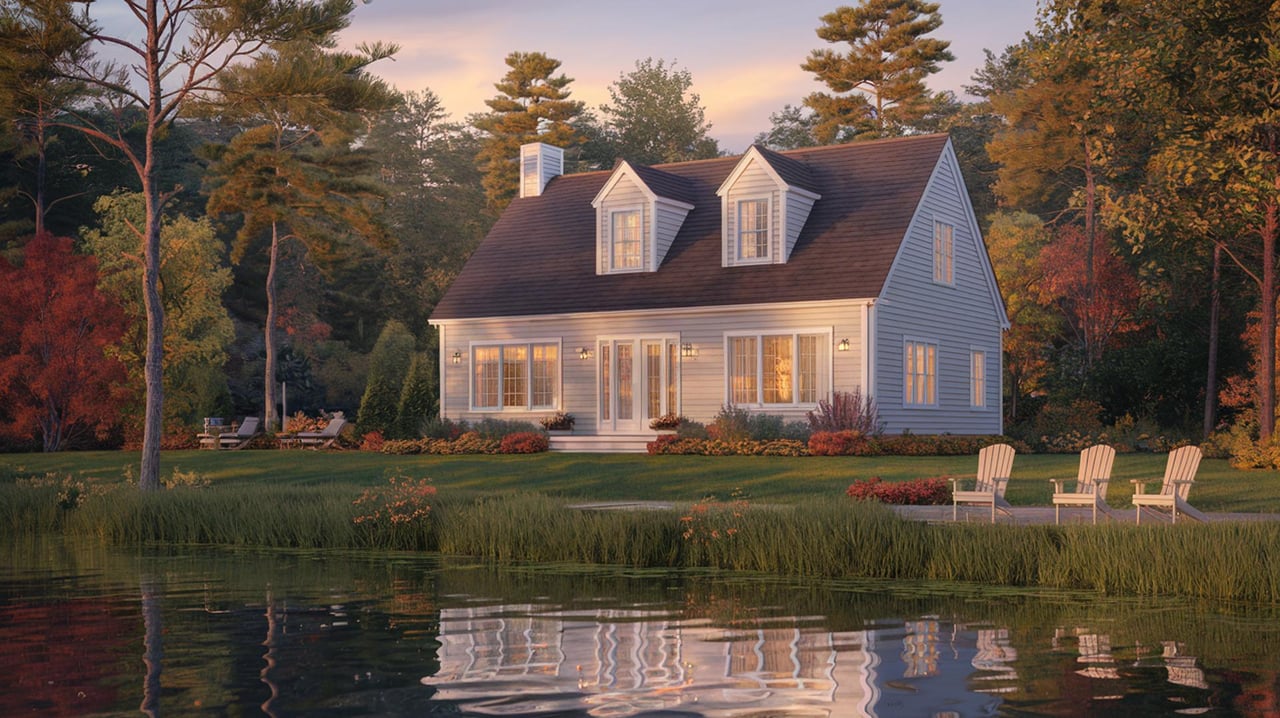
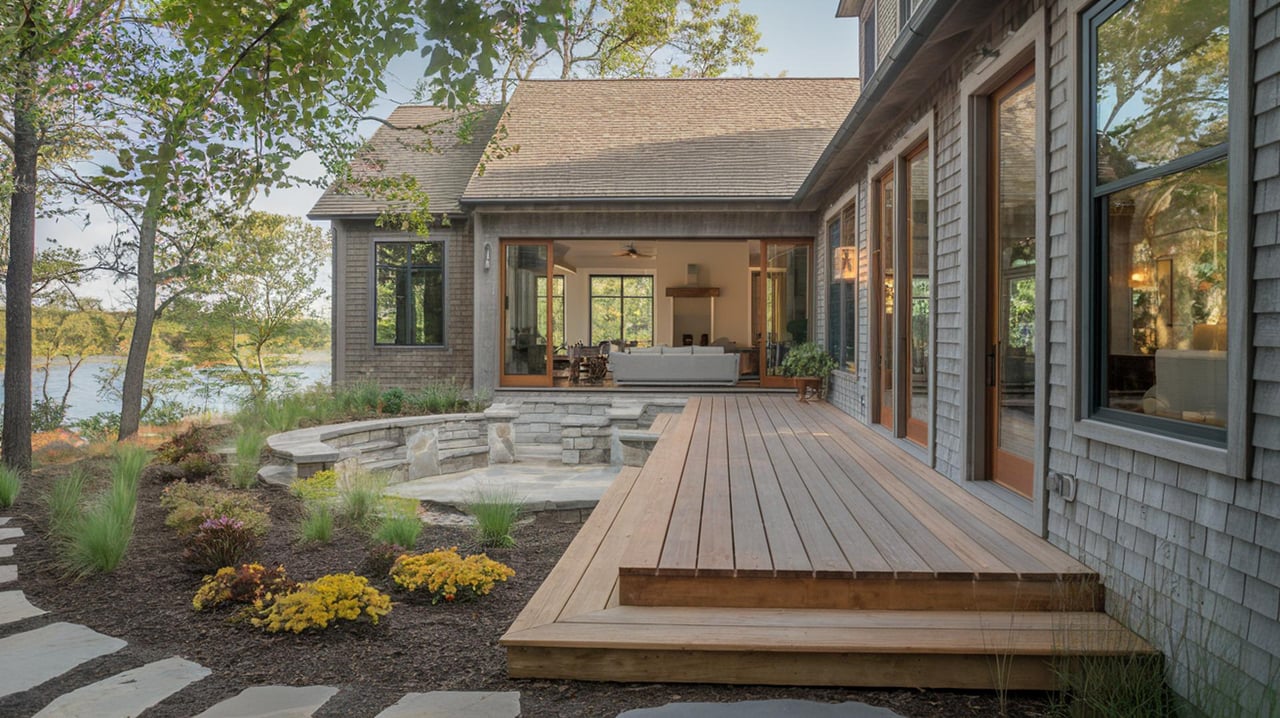
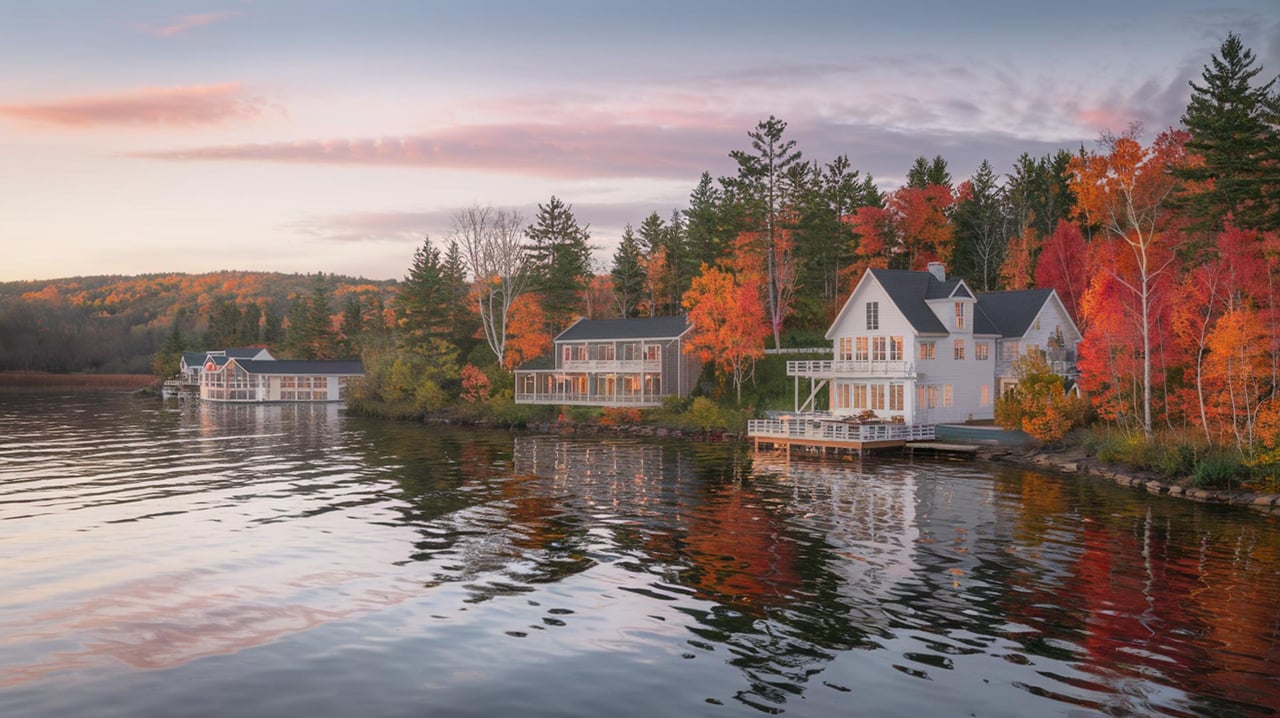
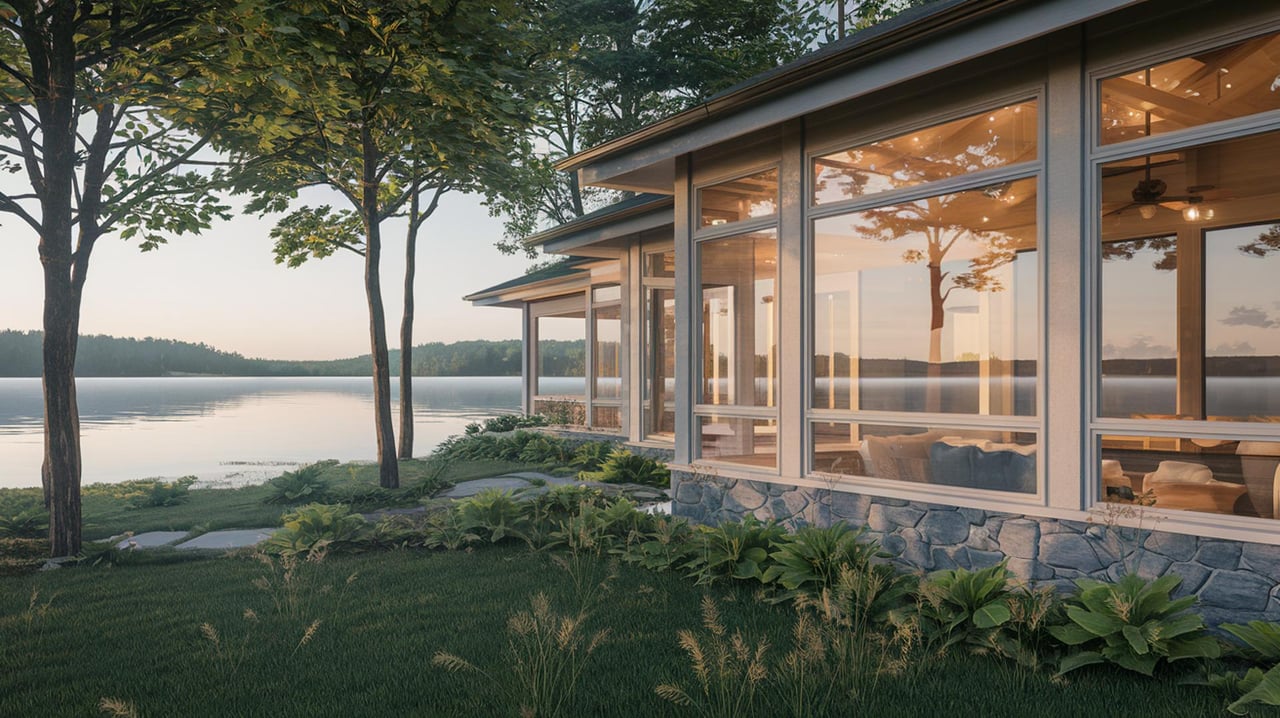
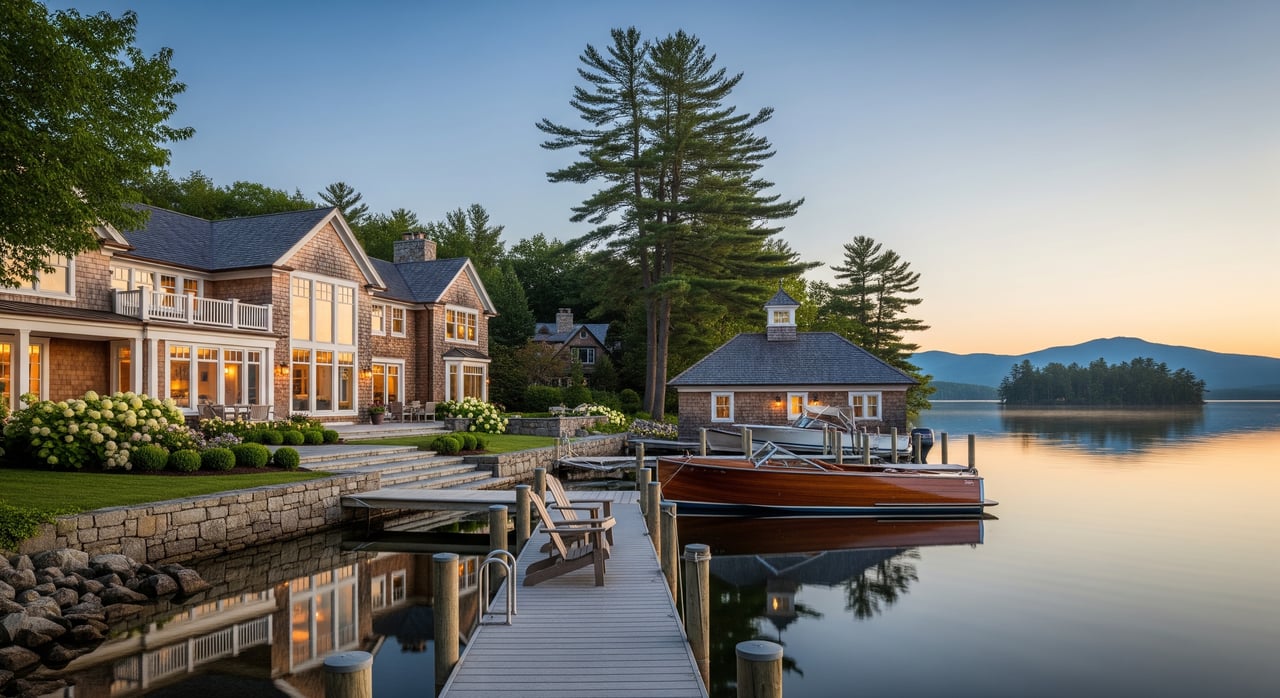
- True waterfront: Your land touches the lake. You typically enjoy private shoreline and may have riparian rights based on the deed and local rules. Docks, boathouses, and shore work usually need permits.
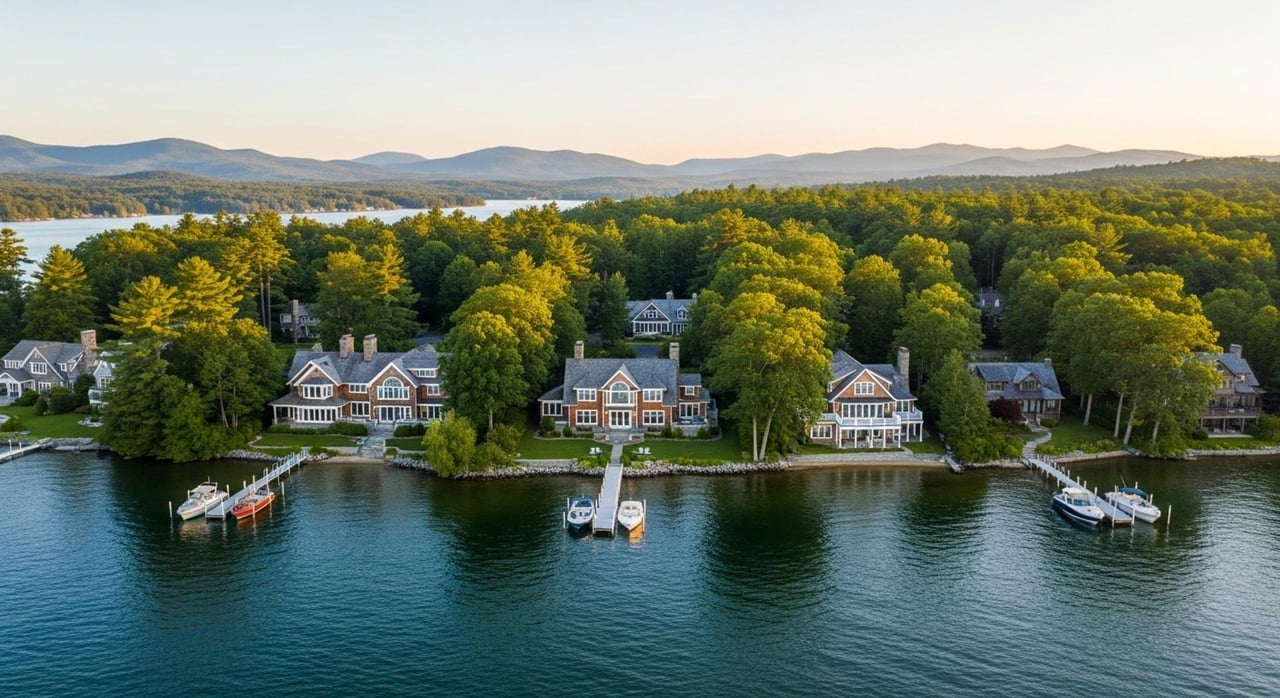
- Shared waterfront: You share a beach, dock, or shoreline amenities through an association or recorded easement. Expect rules, schedules, and dues in exchange for lower maintenance.
- Deeded lake access: Your property does not touch the lake, but your deed includes rights to a designated access point, community beach, mooring field, or dock. Rights can have limits on parking, guest use, or seasons.
- Nearby without rights: You’re close to the lake, but you rely on public ramps or marinas for access. Purchase price is often lower, but convenience varies.
How access shapes daily life
Waterfront convenience
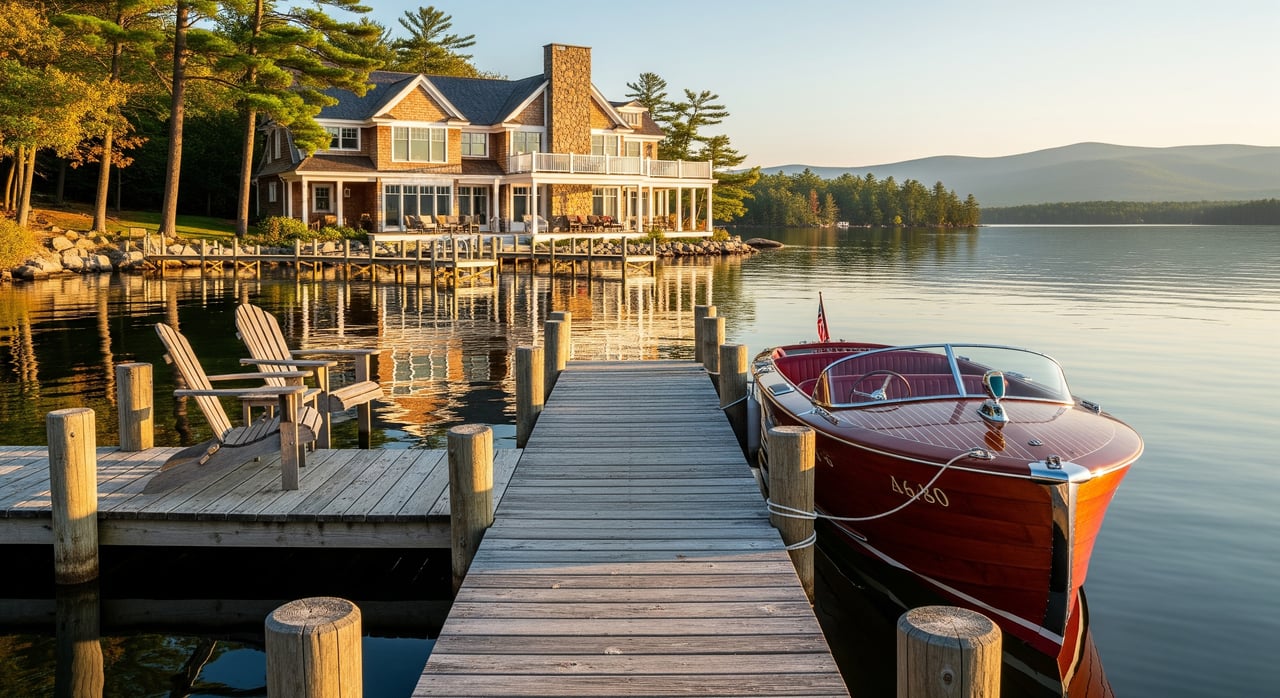
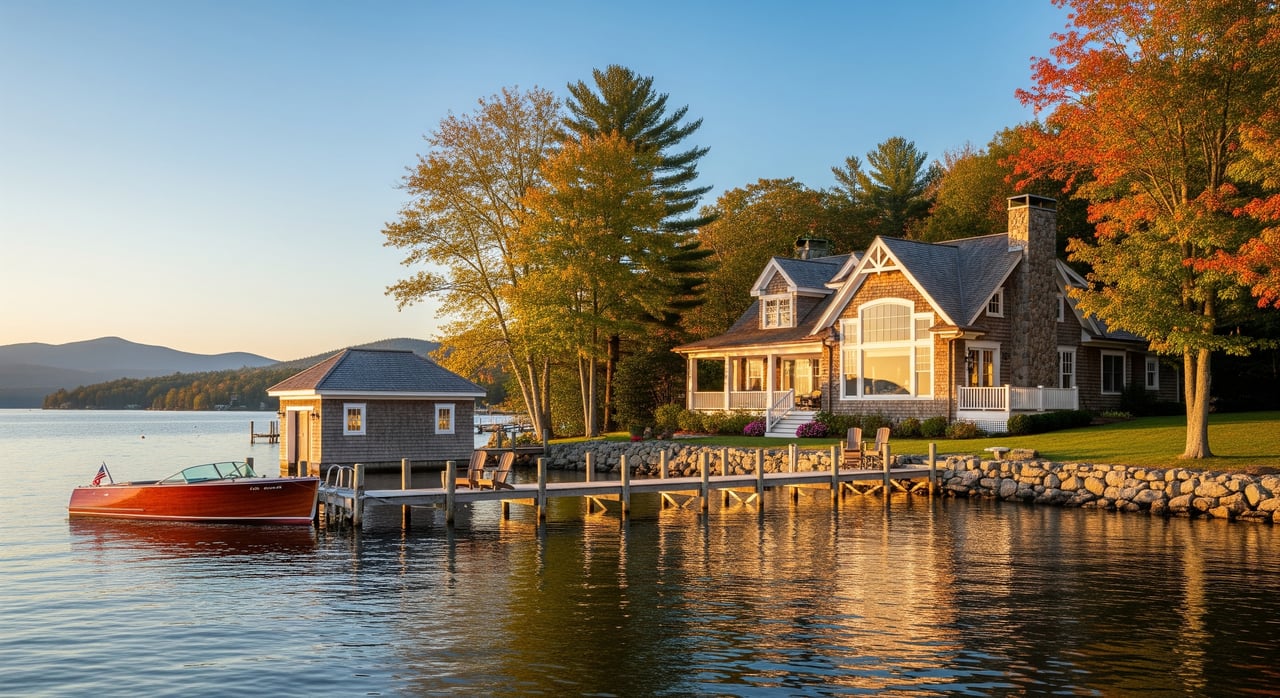
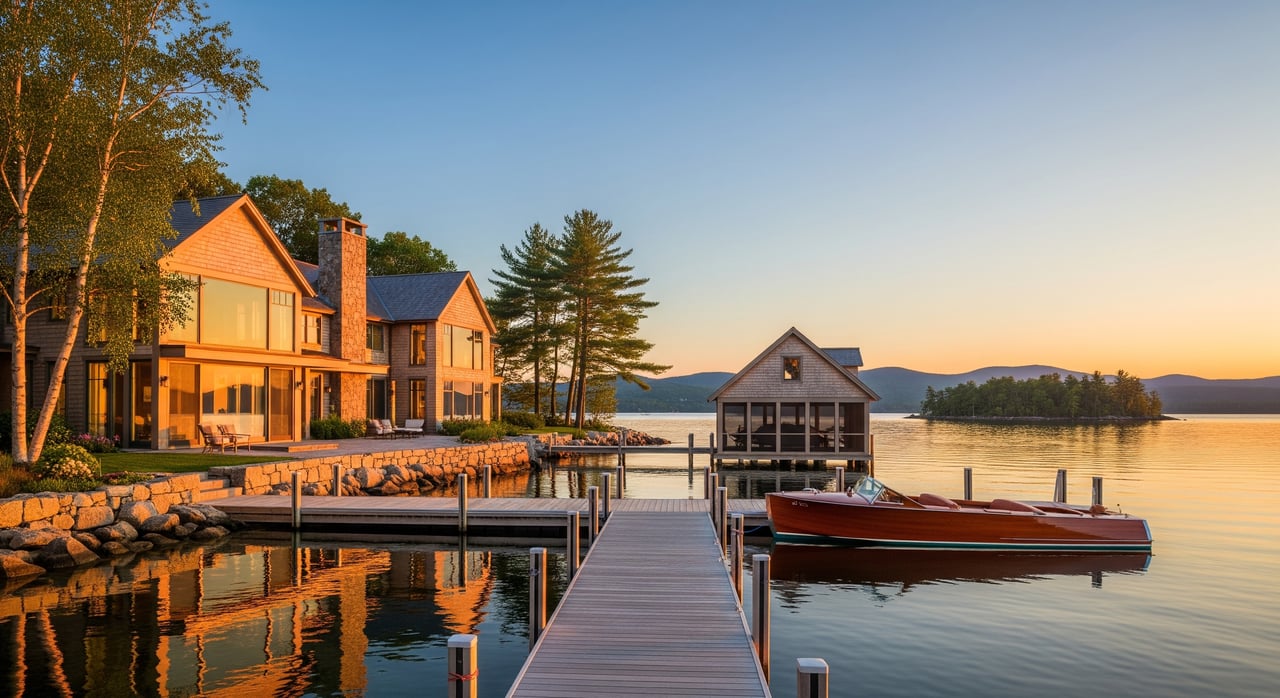
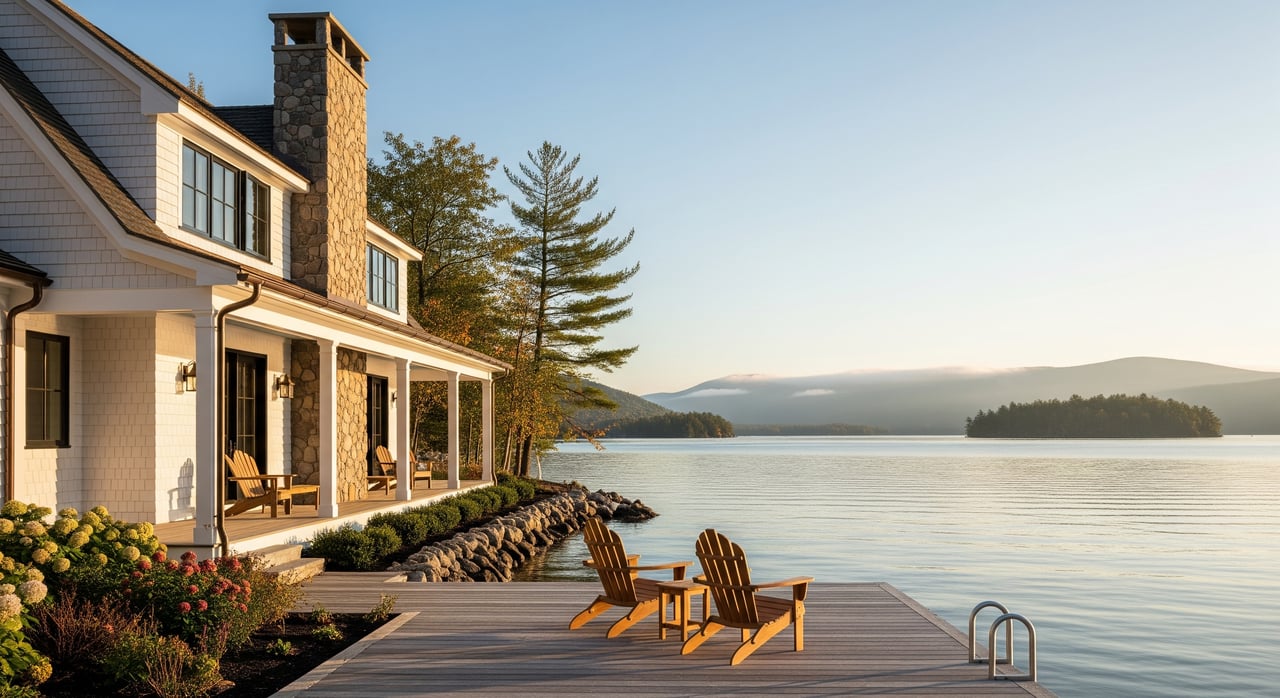
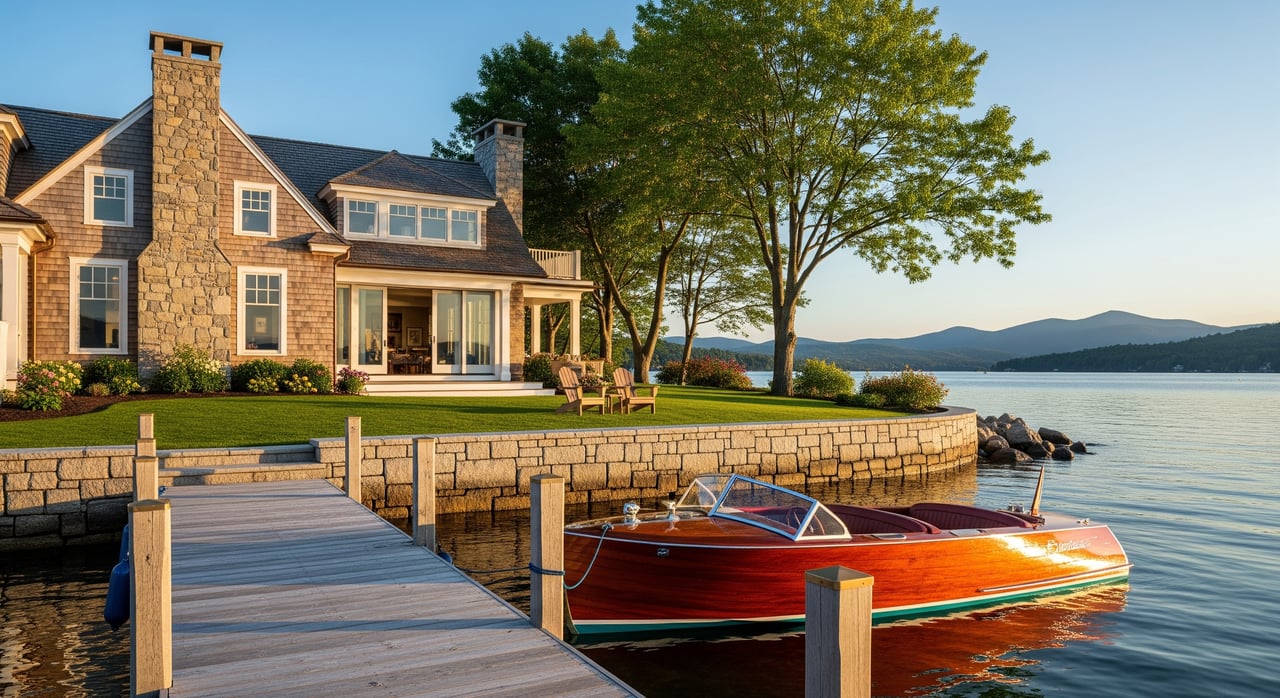
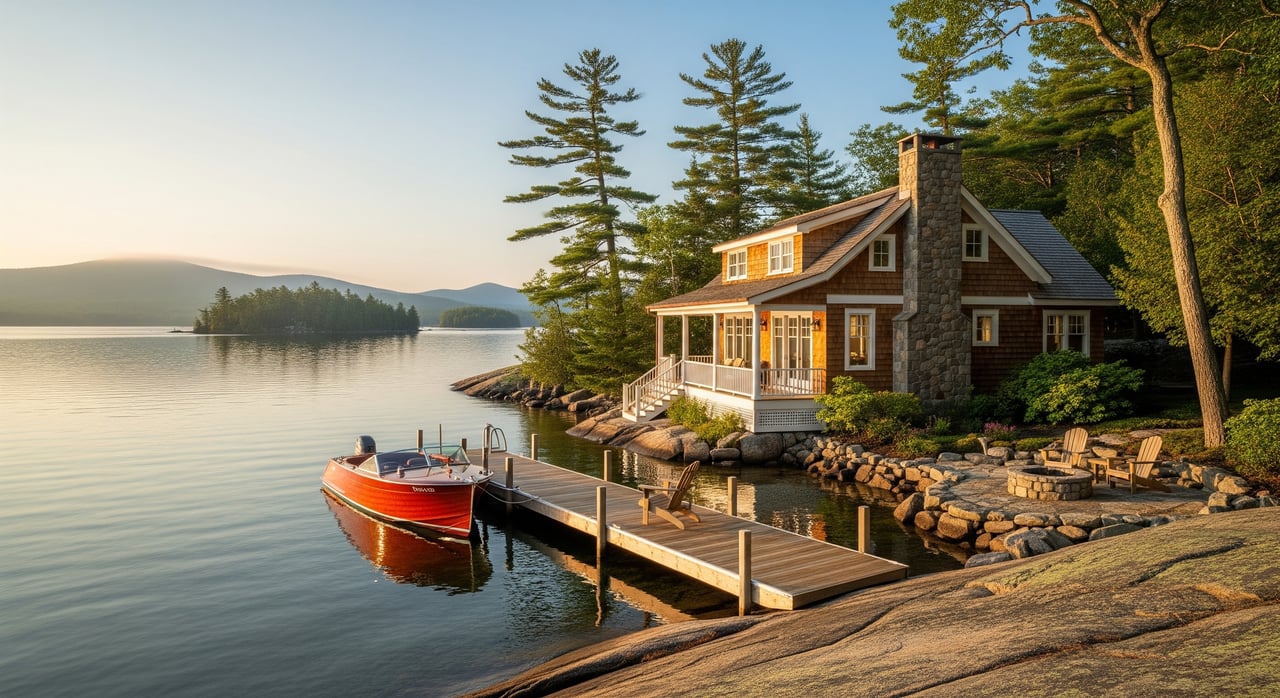
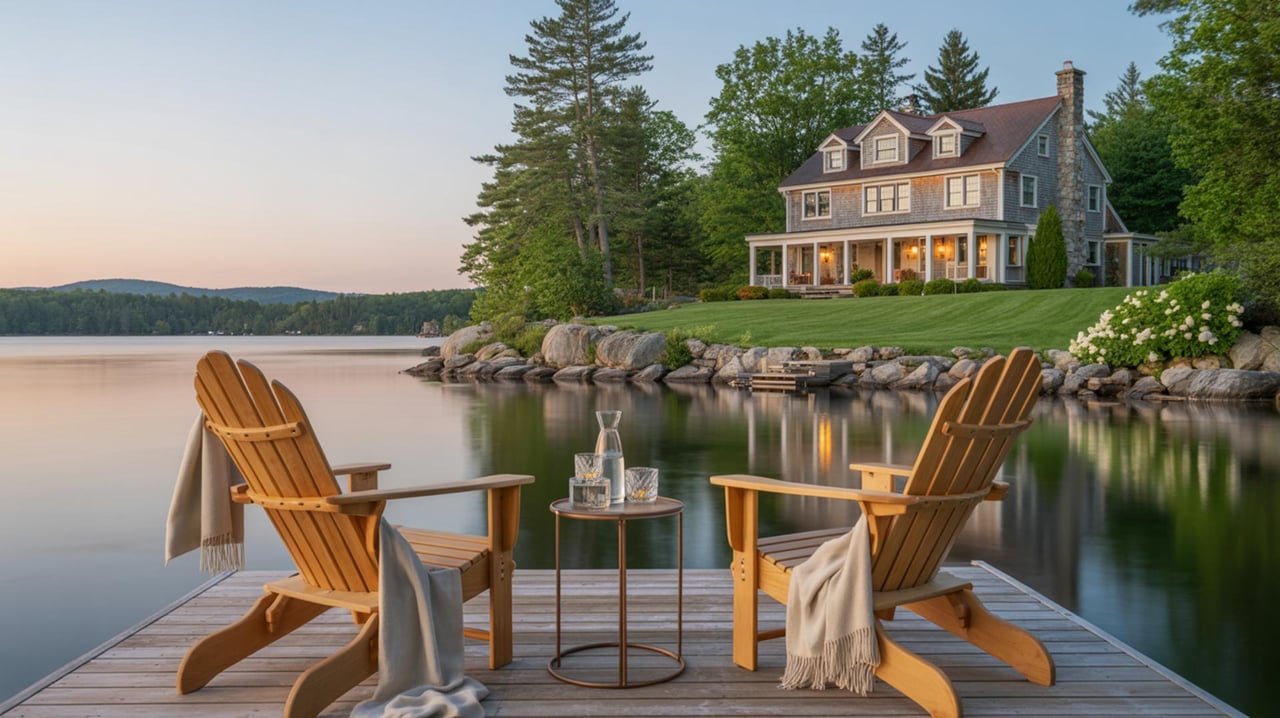
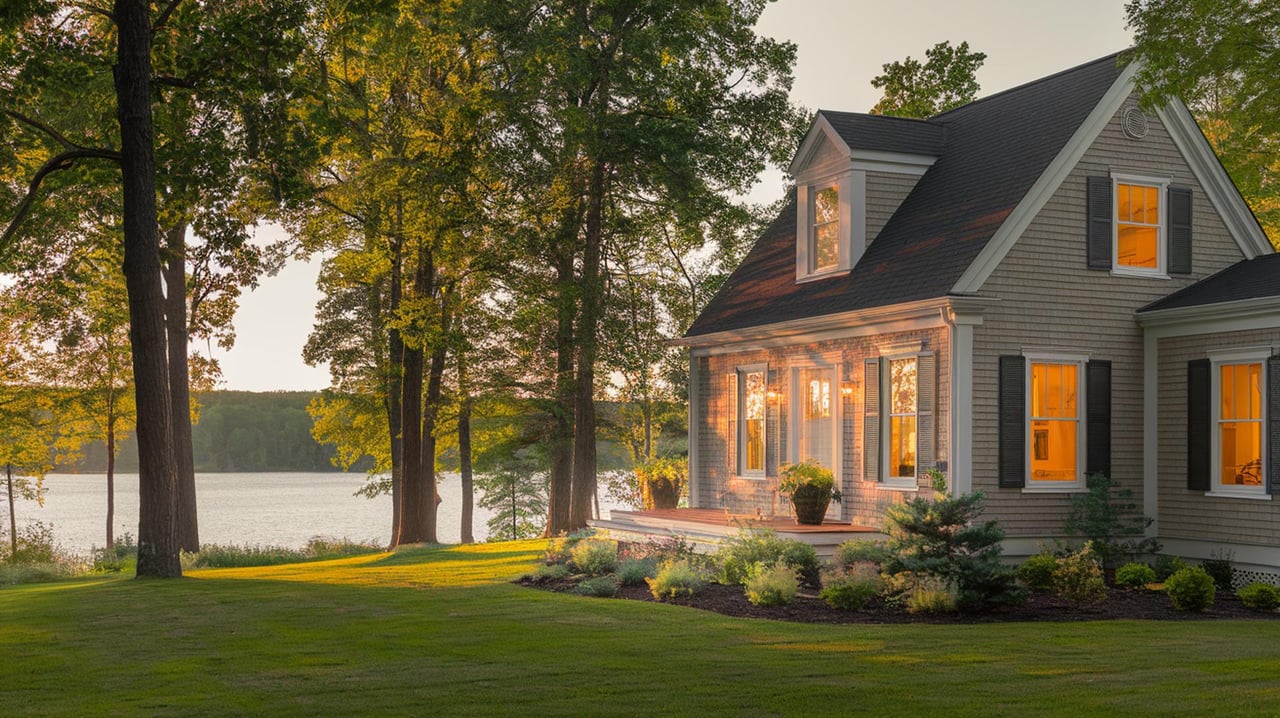
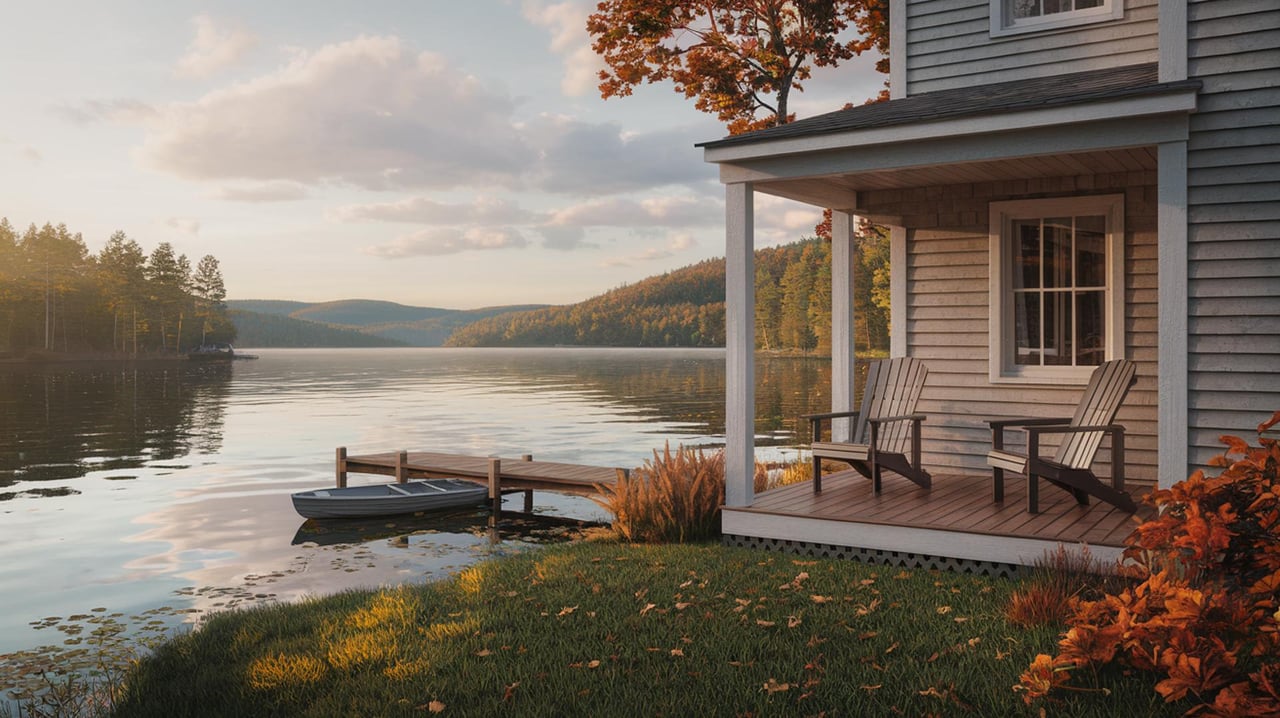
When your yard meets the shoreline, everyday lake life is as simple as stepping outside. It is ideal for spontaneous swims, sunrise coffee on the dock, and quick boat rides without packing the car. You handle your own dock logistics and shoreline care, and you still follow local permitting for any improvements.
Shared or association access
Shared setups deliver much of the lake lifestyle at a lower entry cost. In return, you follow association schedules for docks, observe parking and guest rules, and share space during peak weekends. This tradeoff works well if you want strong amenities without full-on waterfront upkeep.
Deeded access or nearby
Deeded access gives you a guaranteed place to launch, swim, or moor, but you travel to it. Daily boat use takes a bit more planning, and gear storage is not as simple as a private dock. Nearby-without-rights homes lean on public beaches or paid marina slips, which can be busy in summer.
Boating, docks, and moorings
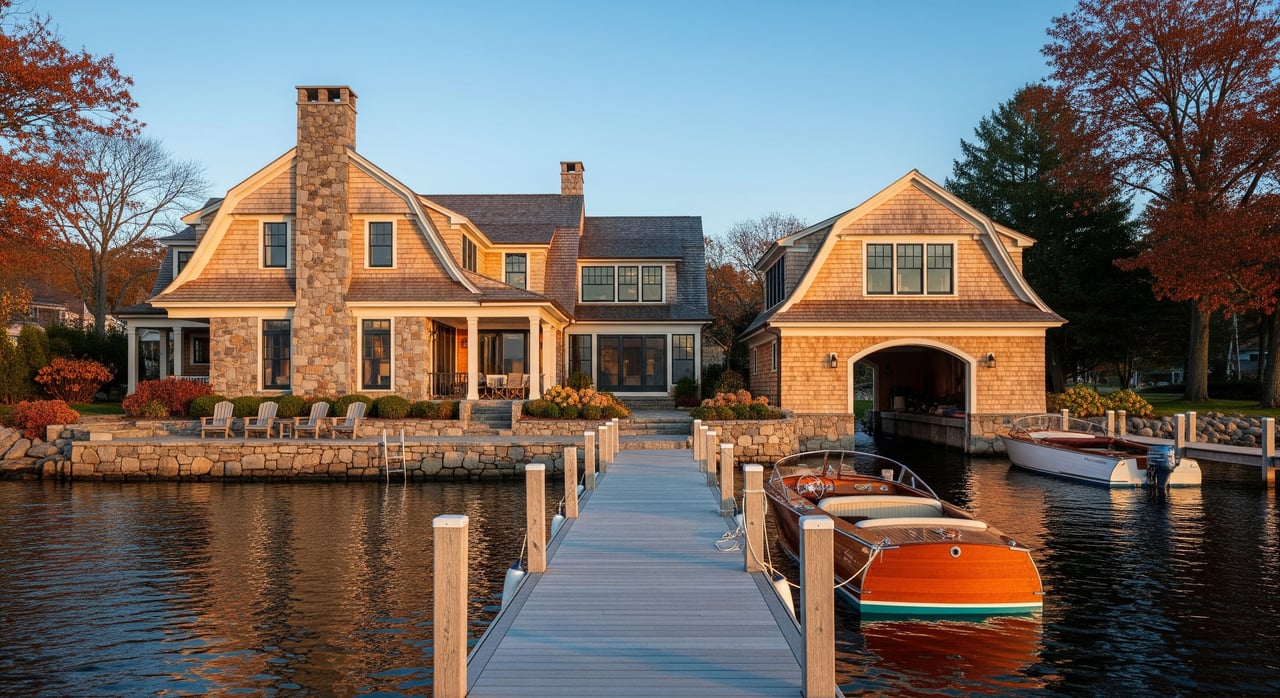
On Winnipesaukee, boating logistics vary by town and cove. Even with private waterfront, docks and shoreline structures typically require permits under shoreland protection rules. Shared-access communities set their own dock assignments, guest policies, and maintenance plans. Mooring fields in popular coves and harbors often have waitlists, while larger marinas in hubs like the Weirs area, Alton Bay, Wolfeboro, and Meredith offer slips for a fee. If a private slip is a must, verify timing and availability early with the relevant harbor master or marina.
Maintenance and seasonal realities
True waterfront ownership involves more hands-on care. You may manage erosion control, dock maintenance, and winterization, and you should plan for seasonal ice impacts. Associations usually handle shared-beach and dock upkeep for you, though you pay dues and could face special assessments. With deeded access, shoreline maintenance is limited, but off-site boat storage and winter logistics take extra coordination.
Utilities, septic, and shoreland rules
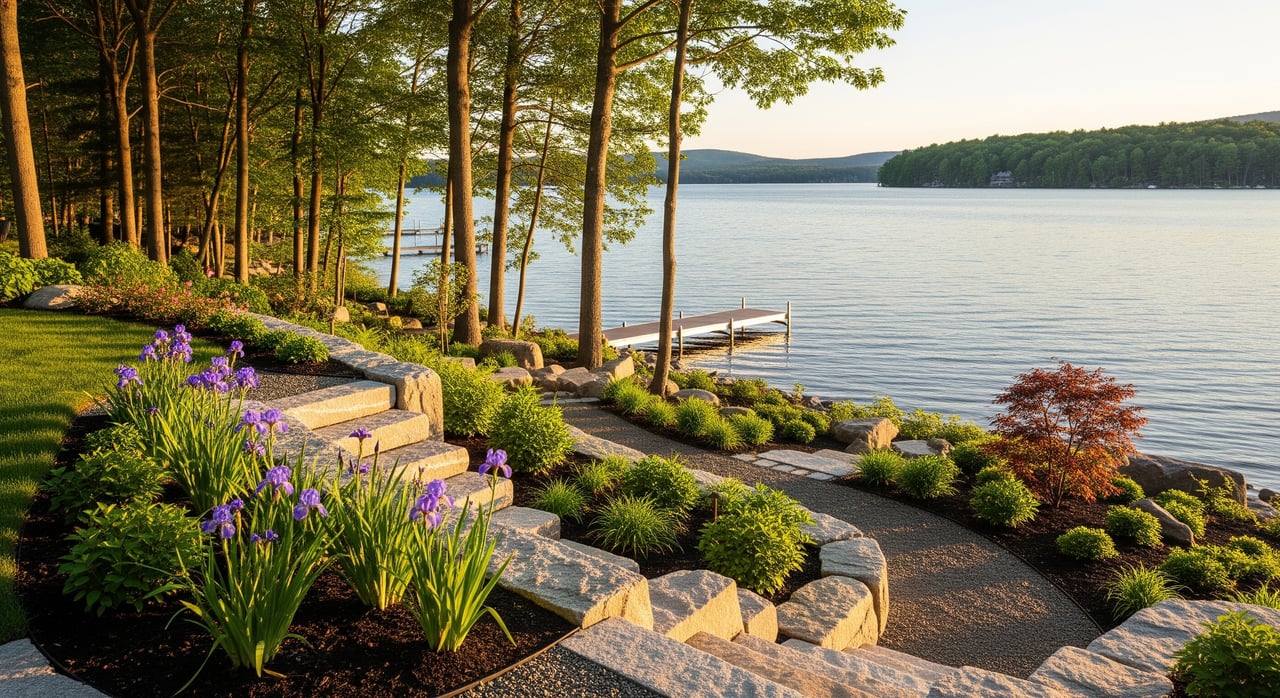
Near the lake, many homes use private septic and wells. Septic design, placement, and maintenance matter because of the shoreline’s sensitivity. Water testing is a smart step before you buy. Shoreland rules can limit impervious surfaces and vegetation clearing within set distances of the lake, which affects landscaping and additions. Confirm any local requirements and past permits so you know what is allowed.
Insurance and risk
Waterfront homes often carry higher insurance costs due to wind, water, and ice exposure. Standard maps do not always capture localized surge or ice movement along the shore, so speak with insurance professionals who know inland lakes. Deeded-access and nearby properties may have lower waterfront-related risk, though site-specific topography still matters.
Privacy and lake activity
Where you buy on the lake shapes your day-to-day feel. Busy stretches near major channels, marinas, or the Weirs area can be lively in peak season. Quieter coves and bays typically see calmer water and less through-traffic. Shared beaches are social by design, while private frontage can offer more control over your shoreline use.
What your budget buys
Waterfront comes with a scarcity premium. Private shoreline commands higher prices, higher assessments, and higher taxes relative to comparable off-water homes. Shared-waterfront and deeded-access properties capture many lifestyle perks at a lower purchase price but add association dues or marina costs. Your ongoing budget should also consider dock care, winterization, association fees, septic maintenance, and insurance.
At-a-glance comparison
True waterfront
- Highest convenience for boating and swimming.
- Premium purchase price and typically higher taxes and insurance.
- More hands-on maintenance and permitting for shoreline work.
- Privacy varies by cove, traffic patterns, and lot orientation.
Shared waterfront
- Strong access to beach or docks with lower entry cost.
- Rules, schedules, and dues apply; peak times can be busy.
- Association manages common-area maintenance; assessments possible.
- Social setting that fits owners who prefer shared amenities.
Deeded lake access
- Reliable access point without paying for private frontage.
- Travel to the access site; boat logistics take planning.
- Lower shoreline maintenance, but may pay fees to an association.
- Good balance of value and usability for frequent visitors.
Nearby without rights
- Lowest purchase price among “lake-area” options.
- Rely on public launches or paid marina slips.
- Convenience and parking depend on time of day and season.
- Works best if you do not need daily dock access.
Town-by-town nuances around Winnipesaukee
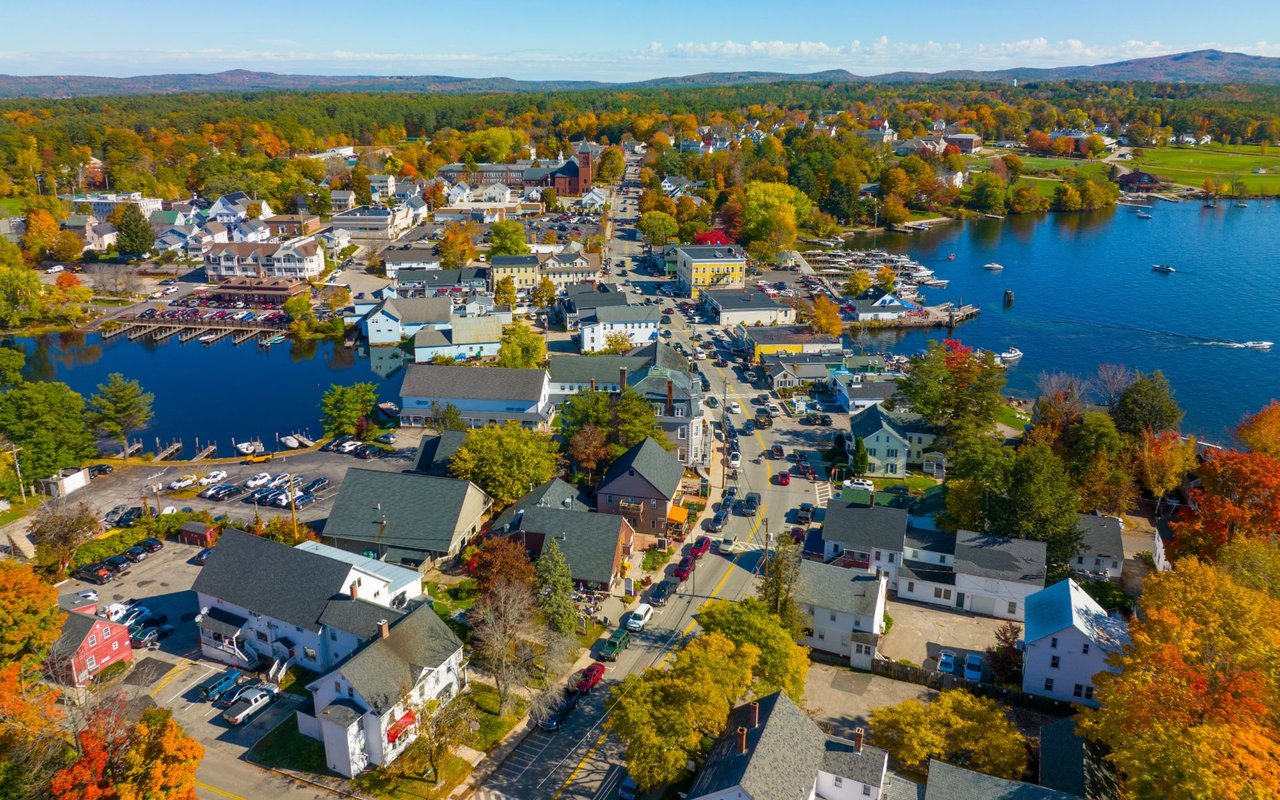
Wolfeboro (Carroll County): A year-round community with a historic downtown and full services. Harbors and marinas support active boating, and local harbor master rules apply to moorings. Established waterfront neighborhoods and nearby Crescent Lake and Pine River areas offer varied settings.
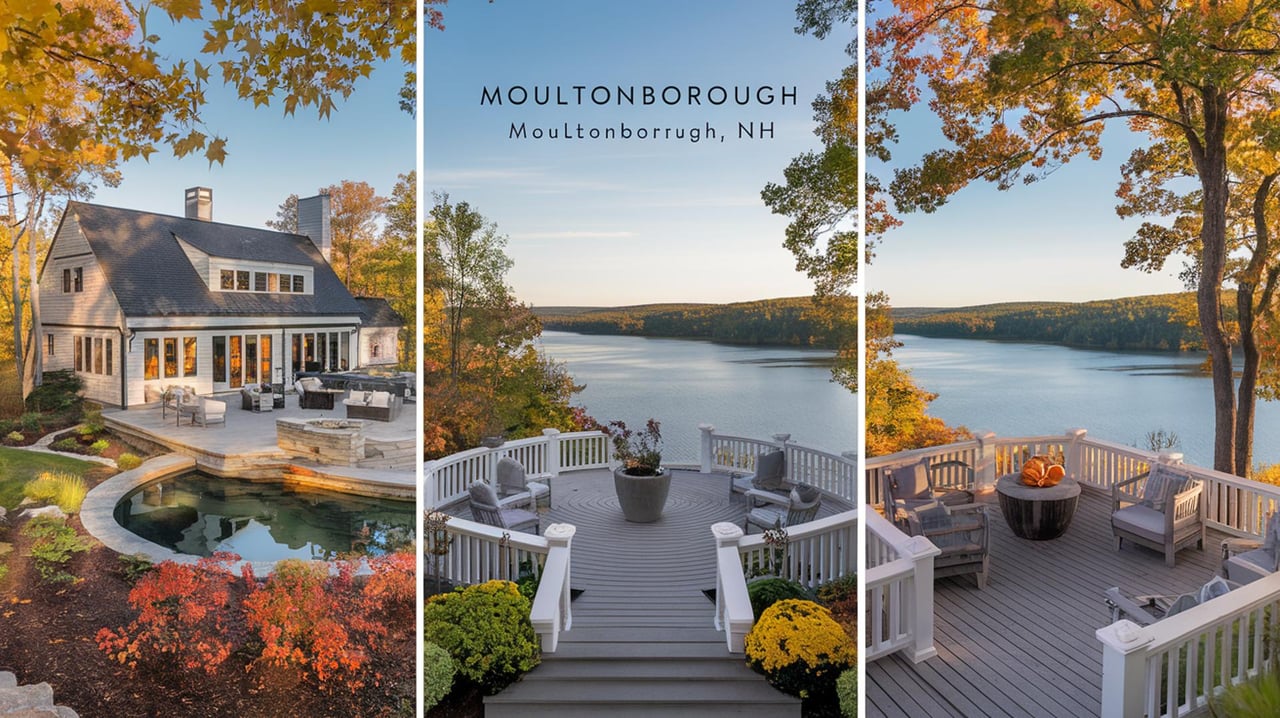
Meredith, Center Harbor, Moultonborough: Meredith is a lively summer hub with dining, shops, and marina capacity. Center Harbor and Moultonborough lean toward quieter coves and some island access points, which can appeal if you want calmer water and a more relaxed feel.
Gilford and Laconia (including the Weirs area): Expect a busier scene in summer with events and boat traffic, offset by strong commercial services and multiple marinas. This can be ideal if you value convenience to slips and supplies.
Tuftonboro, Sandwich, and the Ossipee side: Less commercial shoreline with more rural character in places and many tranquil pockets. Good fits for buyers prioritizing quieter coves and space.
Alton and Alton Bay: At the southern end with well-known boating access and a long lake history, plus proximity to regional routes for travel.
Regulations, mooring practices, and access logistics vary by town, so verify specifics with local offices for the property you are considering.
Transaction watchouts
Title and access clarity
Do not assume the word “access” in a listing tells the full story. Confirm deeded rights, recorded easements, and any limits on parking, guests, or seasons. Ambiguous or unrecorded paths are red flags.
Dock and shoreline permits
Shoreline work, docks, seawalls, and boathouses typically require permits under state shoreland rules and local ordinances. Ask for the permit history and check for any unpermitted work that could delay closing.
Moorings and transfer rules
Mooring rights are often managed by the town and may not transfer automatically. Check current waitlists and policies with the relevant harbor master early in your search.
Association health and fees
If you are buying shared waterfront or deeded access, review the association’s declarations, bylaws, budgets, reserves, and recent meeting minutes. Look for clear dock schedules and well-documented maintenance plans.
Insurance and financing for seasonal homes
Lenders and insurers evaluate waterfront and seasonal properties differently. Get insurance quotes and lender guidance early, especially if the home will be a second residence.
Buyer checklist for Winnipesaukee
Use this list to focus your due diligence.
- Confirm property type: true waterfront, shared waterfront, deeded access, or nearby without rights.
- Obtain and review the recorded deed, easements, and any restrictive covenants.
- For associations, review declarations, bylaws, recent minutes, financials, and reserve studies.
- Order a title search to identify encumbrances or disputed access.
- Request permits history for docks, shoreline work, and any outstanding violations.
- Check local high-water and shoreline stabilization history with town offices.
- Verify mooring rules, waitlists, and harbor master policies in the specific town.
- Map the closest marinas and public launches and confirm seasonal availability and costs.
- Schedule a septic inspection and confirm design capacity and any required upgrades.
- Test well water and confirm the well’s location relative to septic and shoreline.
- Ask for dock maintenance records and winterization practices used by current owners.
- Review recent advisories on water quality and invasive species from recognized lake organizations and state agencies.
- Get insurance quotes that account for wind, water, and ice exposure.
- Ask the town assessor for recent waterfront assessments and the property’s tax history.
- Visit during peak summer weekends and quieter off-season periods to gauge noise, traffic, and lake activity.
Which option fits you?
- Choose true waterfront if daily spontaneity matters most and you are comfortable with higher upfront cost and ongoing maintenance. You want your dock, your shoreline, and maximum control.
- Choose shared waterfront if you want strong amenities and boating access without full private-maintenance duties. You are fine with schedules and community rules.
- Choose deeded access if you want guaranteed use without paying the full waterfront premium. You are willing to plan your boat time and travel to the access point.
- Choose nearby without rights if budget and location are your top priorities and you are comfortable relying on public ramps or marinas.
Ready to explore the lake the right way?
If you are weighing waterfront against lake-access options, local detail is everything. From permit history and mooring rules to cove-by-cove activity levels, you deserve a clear picture before you buy. As a Wolfeboro-based Lakes Region specialist, Janet guides you through the choices, lines up the right inspections, and manages the logistics so your decision feels easy and informed. When you are ready to talk through a shortlist or tour by boat, connect with Janet Sienko.
FAQs
What is the difference between true waterfront and shared waterfront on Winnipesaukee?
- True waterfront touches the lake and offers private shoreline, while shared waterfront provides access through a community beach or dock with rules, schedules, and dues.
How hard is it to get a boat slip if my home has no private dock?
- Availability varies by town and marina, and popular areas can have waitlists, so it is smart to confirm options early with harbor masters and marinas.
Do I need permits for docks and shoreline projects on Lake Winnipesaukee?
- Yes, many shoreline improvements and docks require state and local permits, so verify the property’s permit history and current rules before planning changes.
Are insurance costs higher for waterfront homes in the Lakes Region?
- Often yes, due to wind, water, and ice exposure, which is why consulting an insurance agent familiar with inland lakes is recommended.
What should I look for in association documents for shared-waterfront or deeded-access homes?
- Review rules for docks and guests, budgets and reserves, maintenance plans, and any special assessments or parking limits that affect daily use.
Which towns on Winnipesaukee feel busier in summer?
- Areas near major marinas and event hubs, including the Weirs area and lively centers like Meredith, tend to be more active, while quieter coves are common in parts of Moultonborough, Tuftonboro, and Sandwich.